
Have you seen the videos of snakes swimming near Ibiza’s beaches?
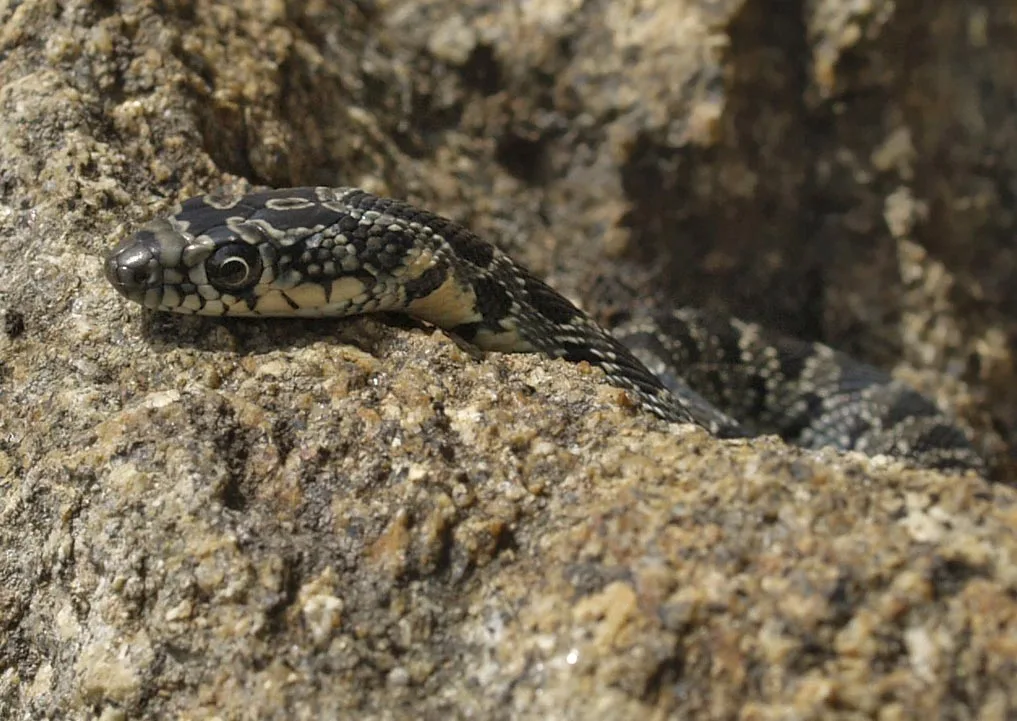
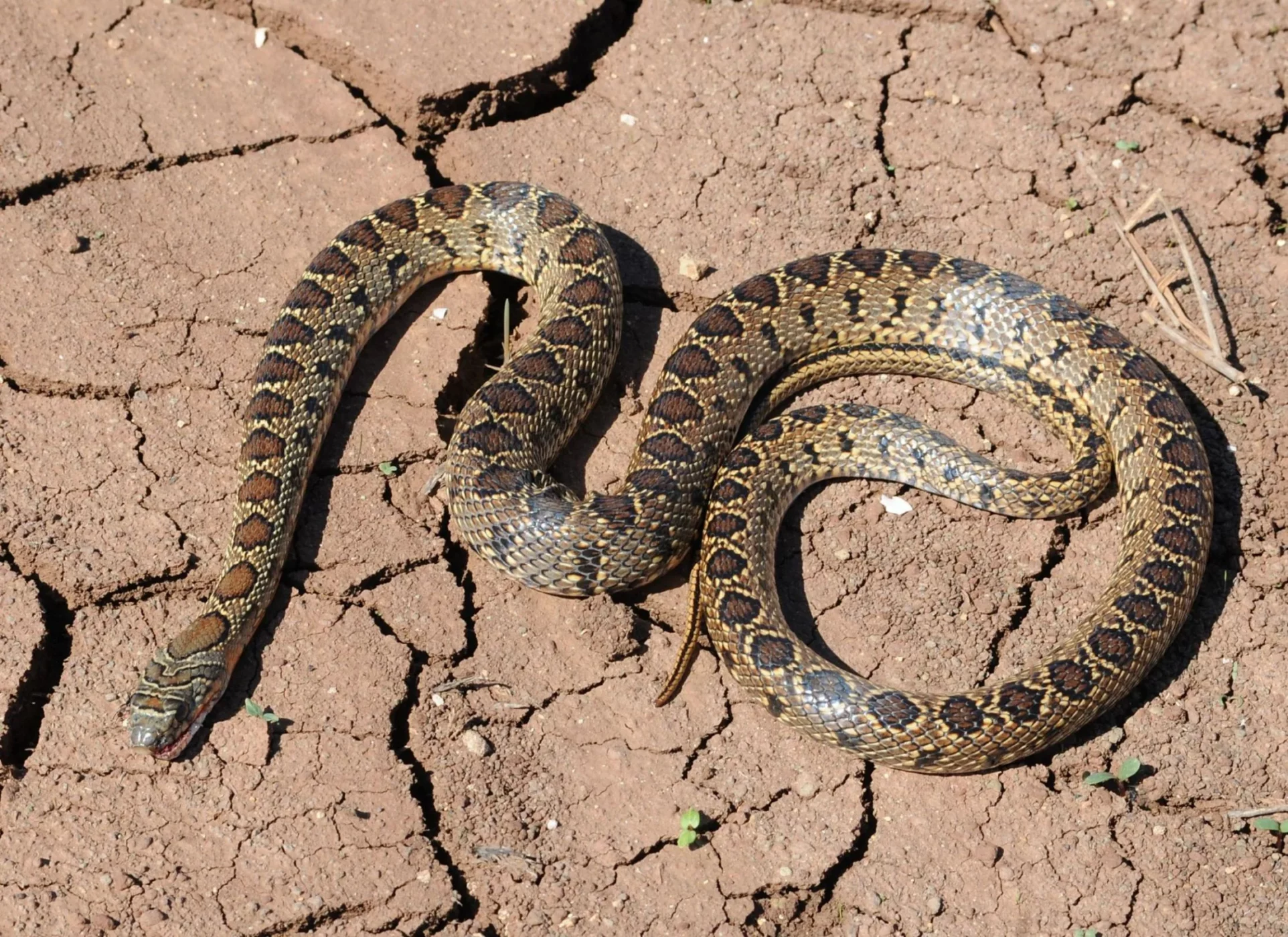
The snake making headlines in Ibiza right now is the horseshoe whip snake (Hemorrhois hippocrepis). It now occupies nearly 90% of the island. But here is what the alarmist headlines leave out: it is not venomous, not aggressive and not dangerous to you. The real drama is happening elsewhere, and it concerns a small lizard you may well spot on a terrace.
Where these snakes come from and why they are everywhere
It all started around 2003. At the time, a trend swept Ibiza: importing old olive trees from mainland Spain to decorate villa gardens. Hidden in the roots and hollow trunks of these centuries-old trees were stowaways: eggs and snakes.
Once on the island, the horseshoe whip snake found the perfect playground. No natural predator. Defenceless prey. A perfect climate, and a rather brutal result. More than 12,000 snakes have been caught and removed since 2016, and the species keeps spreading. Scientists expect it to have colonised the entire island by the end of 2027.
Their size is another talking point. Most are around 1.5 metres long. Some now exceed 2 metres, a sign the snakes are thriving and growing bigger than on the mainland. So yes, they are impressive to see, but harmless to touch.
Is this snake dangerous to you?
No. That is the short answer, and it is well documented.
The horseshoe whip snake has no venom. Its teeth are tiny. At worst, a defensive bite leaves a few small surface marks on the skin, like scratches. No risk to life, no hospital, nothing like the dangerous snakes found elsewhere in the Mediterranean.
Its behaviour protects you too. This snake runs from people. It does not hunt humans or defend territory against you. If you come across one, it will slip away before you have even reacted. The few recorded bites involve people who tried to catch or handle the animal.
Will I see one on the beach?
This is the question that really worries people, because of the footage of snakes in the water. Let us be clear.
Yes, these snakes swim. A study published in the journal Ecology in May 2026 confirmed it with precise data. On 15 April 2024, researchers filmed a snake swimming the 430 metres between Ibiza and the islet of Santa Eulària. It reached its target. And 77% of sightings of swimming snakes happen less than 200 metres from shore, in calm seas and good weather.
So yes, seeing a snake near the water is possible. But keep two things in mind. First, they swim to colonise new islets, not to approach swimmers. Second, even in the water, the snake is harmless to you.
The chance of seeing one while swimming at a busy beach remains low. You are more likely to spot one in a garden, a dry-stone wall or a country path than on the sand of a crowded cove.
What to do if you come across one?
Keep your distance and watch. There is nothing more to do.
Do not try to touch it, move it or kill it. A snake that is not threatened goes on its way. If the animal is in your rental, tell the owner or the agency: the whip snake is an invasive species and there are capture schemes on the island. If you see a snake swimming towards an islet, you can report it to the local groups protecting the lagoon and the lizards. Your sightings help research.
One more instruction for responsible travellers: never release a snake caught elsewhere on the island. You would be helping the invasion spread.
The real loser in this story: the Ibiza wall lizard
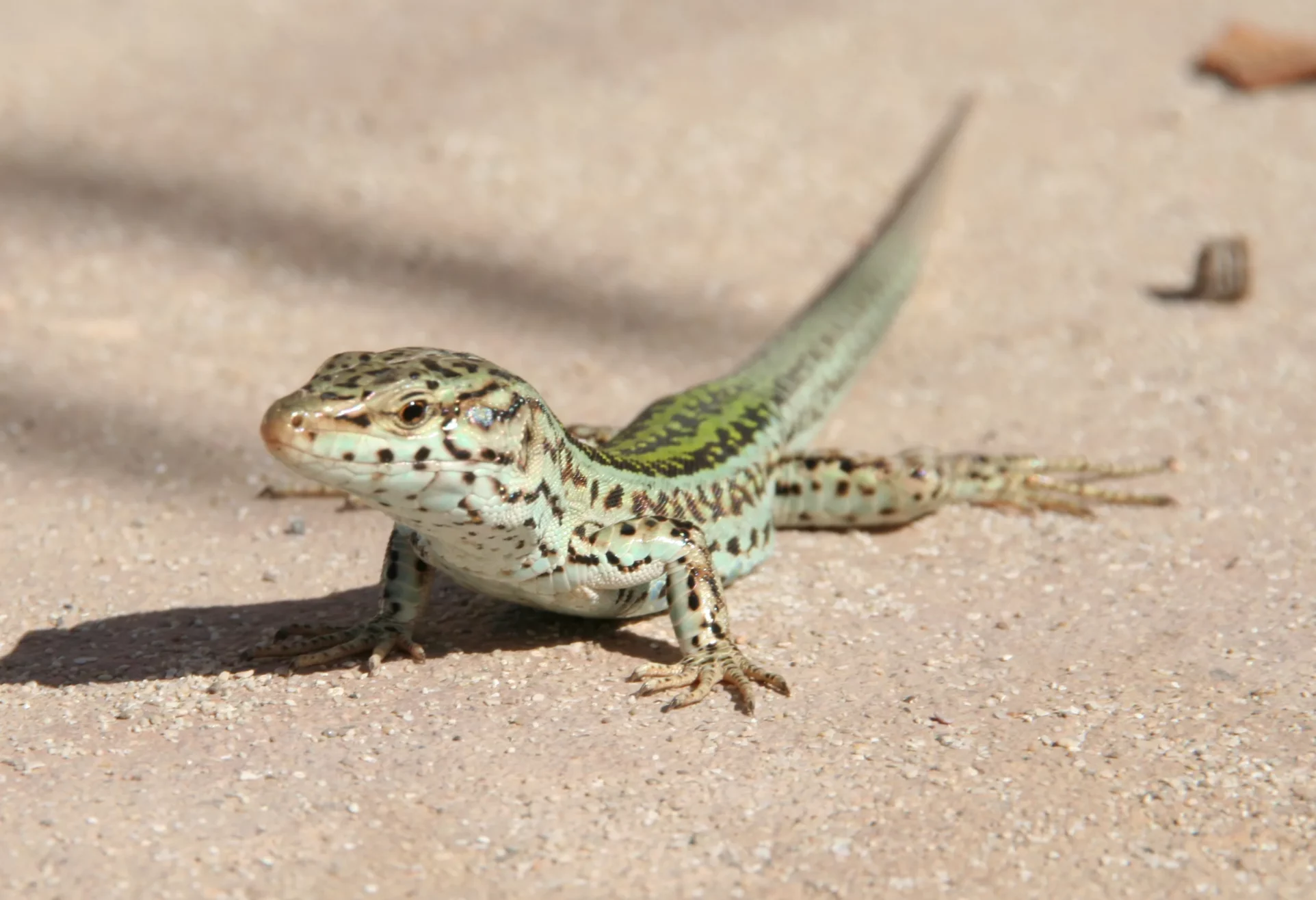
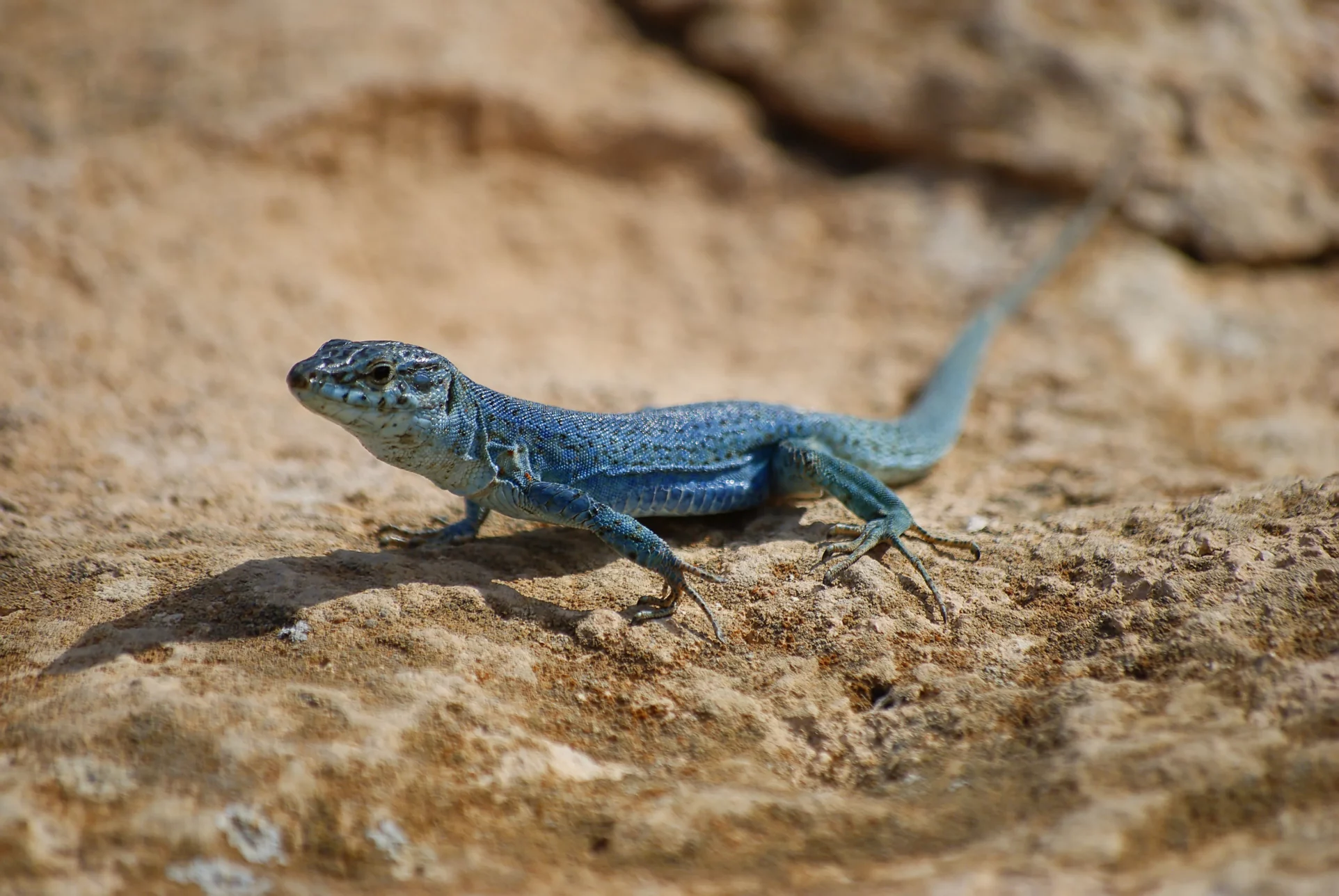
While tourists worry, another reptile is paying the price. The Ibiza wall lizard (Podarcis pityusensis) is endemic to Ibiza and Formentera. You have probably seen this small green and blue lizard darting along a wall or across a terrace. It is a symbol here.
And it is disappearing. Having evolved with no predator of this kind, it is defenceless against the snake. One researcher puts it bluntly: the snakes snap them up “like popcorn”. The figures are staggering. On the islet of Santa Eulària, there were 72 lizards in 2016. Three in 2023. Zero in 2025. The species has already vanished from a dozen islets and is now classed as endangered.
The loss goes beyond the symbol. This lizard pollinates plants, spreads seeds and keeps insects in check. Losing it means throwing a whole island ecosystem off balance. That is why captive breeding programmes have started. Barcelona Zoo hatched its first 12 baby lizards in June 2025. On the ground, the organisation IbizaPreservation caught 584 snakes in 2025 alone, with 350 traps spread across the island.
What is being done on the island
The fight is no longer just for scientists. Municipalities are organising and getting residents directly involved. In June 2026, Sant Antoni council launched an operation that sums up the current strategy: handing out traps to residents to cover the whole area. On 8 June 2026, outside the town hall from 10.30am to 1pm, 75 traps were given to local residents. Fifty came from the council and twenty-five from the Balearic wildlife recovery consortium (COFIB), with support from the SOS Sargantanes association. Residents could book their trap in advance by phone.
These traps are not simple cages. They are designed specifically for the horseshoe whip snake: a selective method, presented as safe, that targets the invasive snake without affecting other species.
Rather than relying on a handful of officers combing the island, every garden, wall and finca becomes a capture point.
What it means for your trip
Nothing, or almost nothing. You can book, swim, hike and enjoy Ibiza as before. The snake people fear will not hurt you. Keep a sensible distance, touch nothing and report what you see. And if you spot a small green-blue lizard on a terrace, take a moment to watch it. In a few years, that ordinary moment may have become rare…
Planning your trip? For a stay where the setting matters, take a look at our pick of the best luxury boutique hotels in Ibiza.
Organising your trip? All our practical advice is in our complete guide to travelling to Ibiza and Formentera.
Fancy a wilder Ibiza? Head for Atlantis (Sa Pedrera), an old quarry turned swimming and hiking spot.


