

Travel guide, Balearic Islands
Ibiza The complete 2026 travel guide
Ibiza covers 572 km², has 160,000 year-round residents and welcomes up to 3 million visitors a season: the best-known Balearic island owes its fame to its clubs, the biggest in the world. It also hides 80 coves, a UNESCO-listed old town, fincas tucked among almond trees and a farmhouse cuisine that is very much alive. This guide has everything you need to plan a trip, from choosing when to go to where to find a proper sofrit pagès.
572 km²
in area
160,000
year-round residents
80
beaches and coves
3 million
visitors a season
You are probably here because you are planning a first trip, or because you want to see another side of the island than Playa d’en Bossa. Either way, take ten minutes before booking: when you come, where you stay and how you get around change the experience completely. Ibiza in May and Ibiza on 15 August are two different islands.
- Why go
- When to go
- Getting there
- Transfers
- Getting around
- Where to stay
- Things to do
- Clubs
- Beaches
- Markets
- Food
- Budget
- Ibiza or Formentera
- FAQ
The island at a glance
Why visit Ibiza?
Three reasons explain why people keep coming back, often for very different things.
Two Ibizas in one
There is the one on the posters: Pacha, Hï, Ushuaïa, DJ sets until sunrise. And there is the north, around Sant Joan and Santa Agnès, where the almond trees blossom in February and the roads empty as soon as you leave the south coast. One is 30 minutes’ drive from the other.
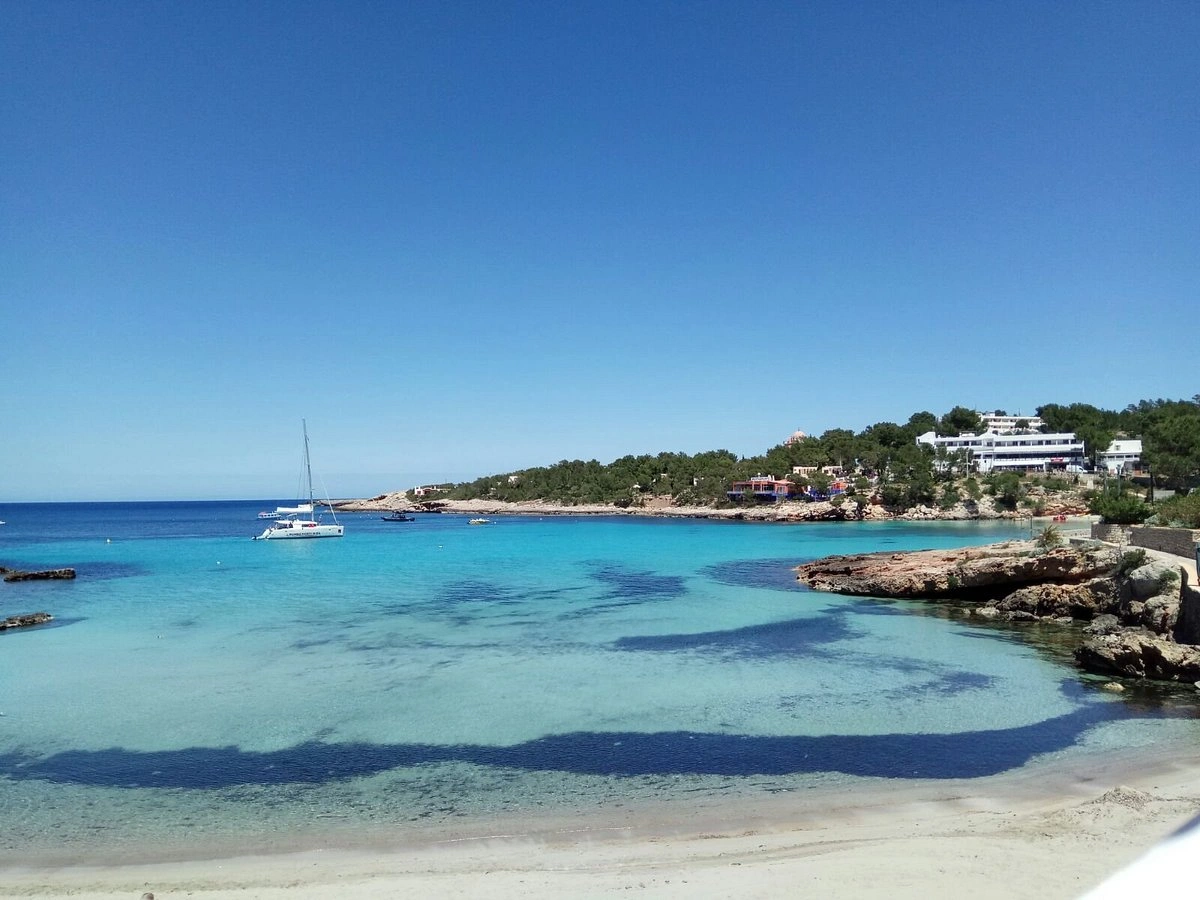
The water and the coves
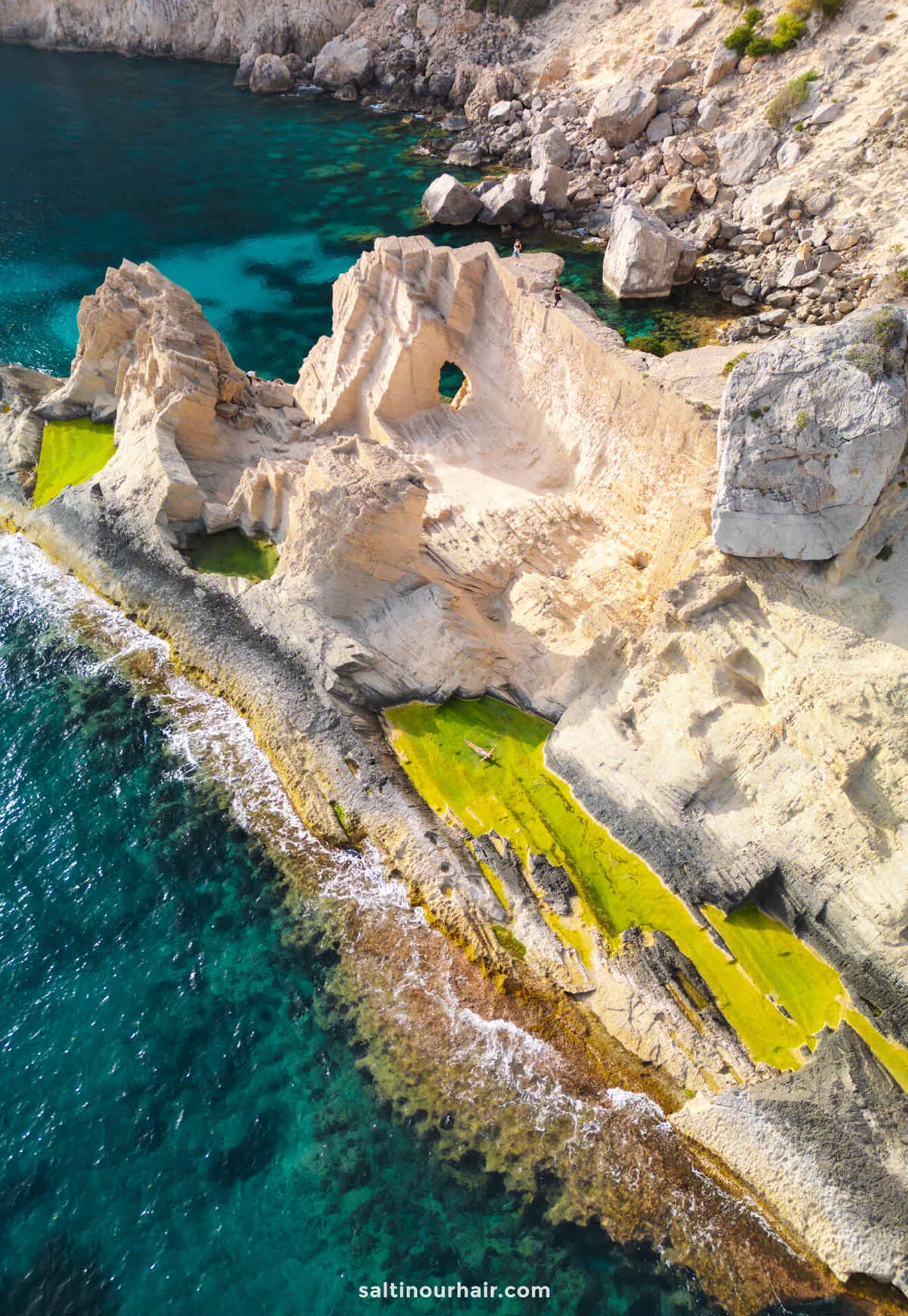
The same UNESCO-listed Posidonia seagrass meadows that make Formentera’s water so clear line the south of Ibiza. Cala Comte, Cala Salada, Atlantis (Sa Pedrera): colours you would normally associate with the tropics. Many of these coves are only reachable on foot, which keeps the crowds down.
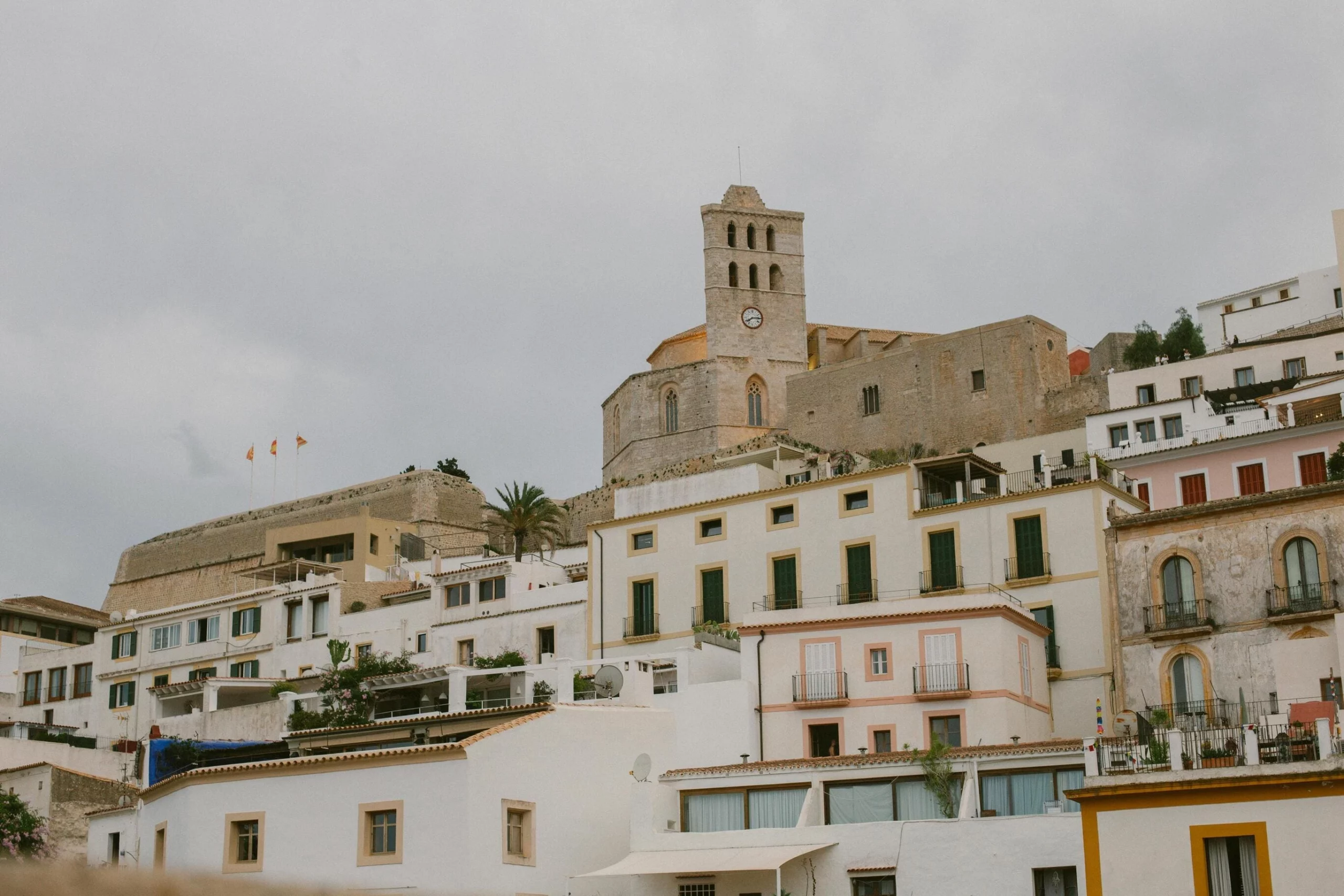
Dalt Vila and 2,500 years of history
The fortified old town of Eivissa, a UNESCO World Heritage Site since 1999, is best explored on foot at sunset, when the walls turn orange. The island carries 2,500 years of Phoenician history, hippie markets inherited from the 1970s and a resilient farmhouse cuisine.
Beyond the clubs, the island is best enjoyed by boat, on foot along the coastal paths, at the table or in the inland villages. Our unusual things to do in Ibiza give an idea of everything on offer.
Seasons
When to go to Ibiza?
The same beaches all year, but not the same prices or crowds: in Ibiza, the month you pick makes most of the trip.
Mid-June to mid-September
High season
Sea at 25 to 26 °C, every club and beach club open. Prices are at their peak and the beaches packed in August.
Our pick
May to June, September to October
Shoulder season
Pleasant sea, mild temperatures and an island you can breathe on: the best compromise.
The rest of the year
Low season
Many places close, the countryside opens up and prices drop sharply. For the festive season, see Christmas and New Year in Ibiza.
Month by month
Weather, sea temperature, crowds: it is all in when to go to Ibiza and Formentera.
Getting there
How to get to Ibiza?
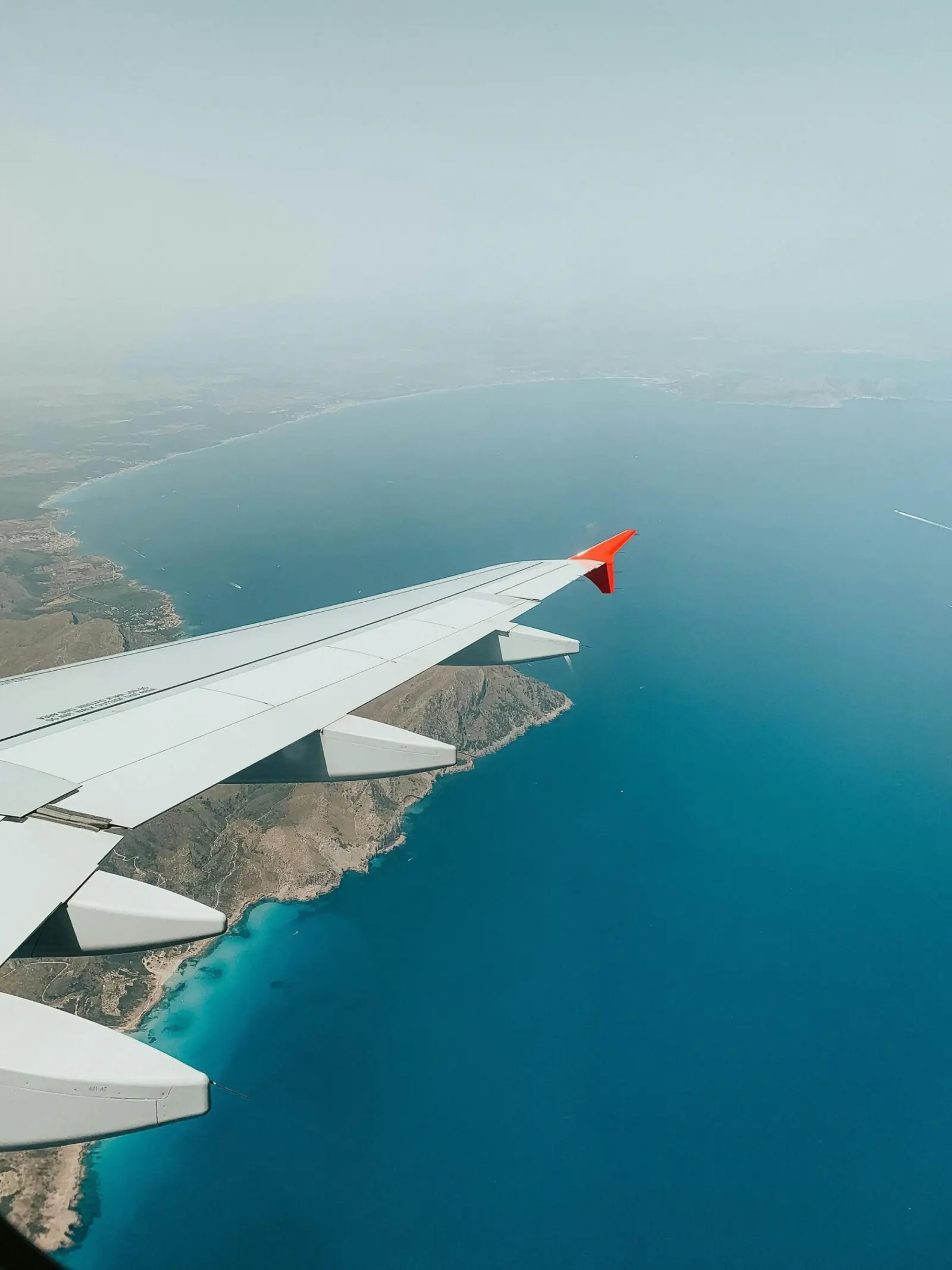
The easiest
By plane
Ibiza airport (IBZ) has direct flights from London, Manchester, Bristol, Birmingham and most big UK airports in season, in around 2 hours 20 to 2 hours 30. Fares climb fast for July and August, so book early. All our tips for finding a cheap flight to Ibiza.
For a long stay
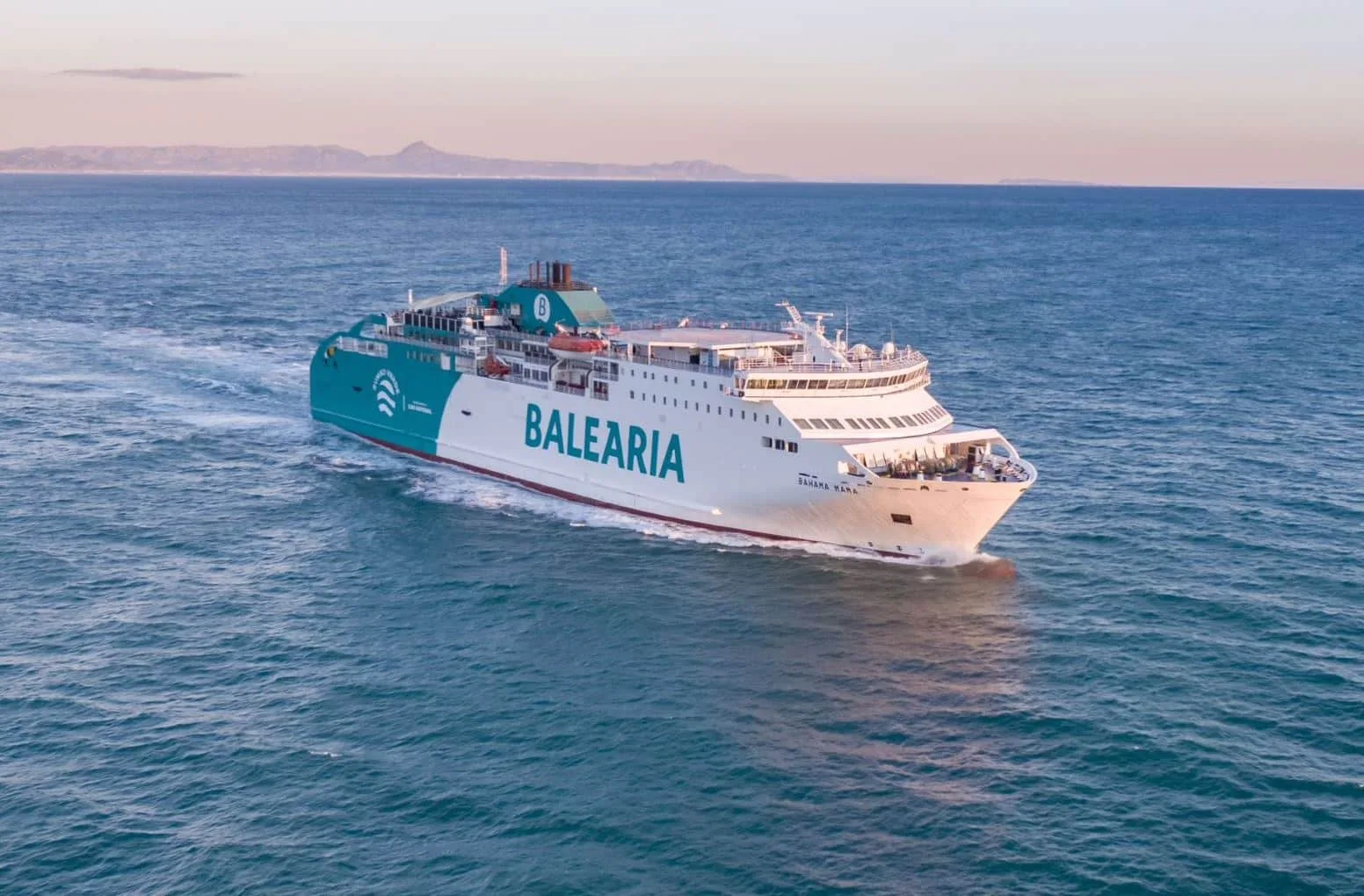
By car, via the ferry
Bringing your own car means taking a ferry from mainland Spain, and it only makes sense for a stay of two or three weeks. Since 1 June 2026 the island has capped the number of vehicles on its roads (3,548 places a day for visitors until 30 September), with compulsory registration on IbizaCircular.es. The pros and cons are in bringing your car to Ibiza.
Arrival
Transfers from the airport
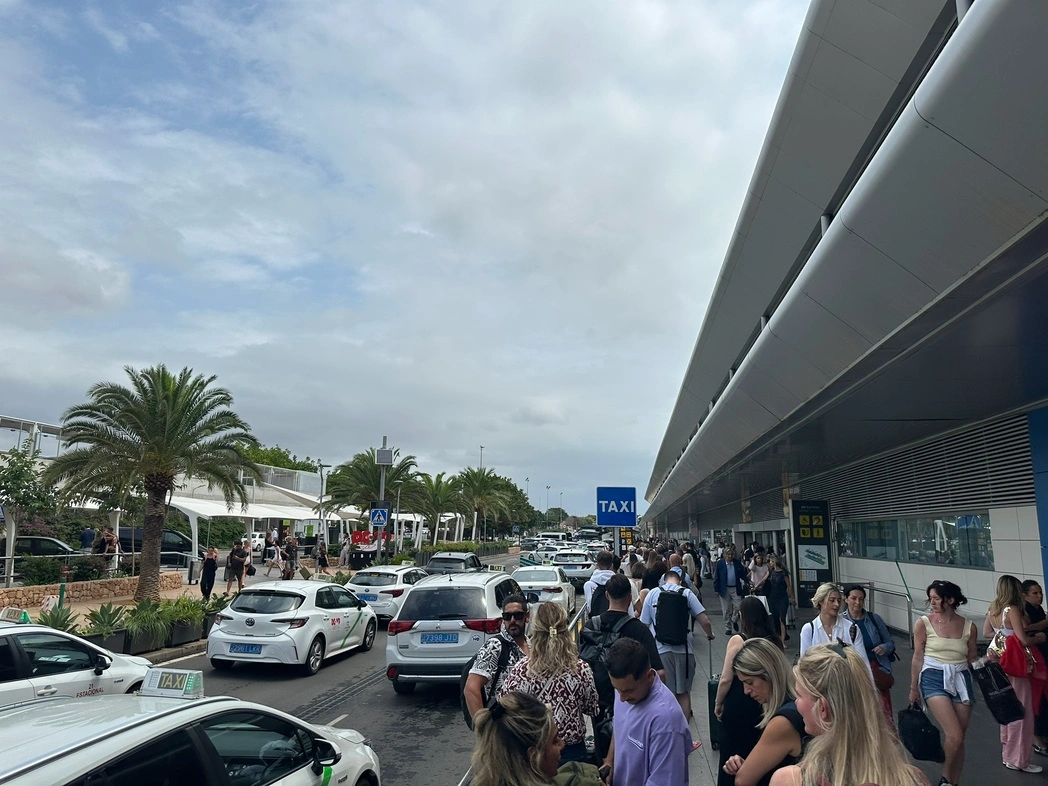
The airport is 7 km from Eivissa, but depending on where you stay (Sant Antoni, Santa Eulària, the north) the journey can take up to 40 minutes.
- Public bus: the cheapest, for the main resorts
- Taxi: at the rank outside the terminal
- Private or shared shuttle: booked in advance, useful for late arrivals
We compare everything in Ibiza airport transfers.
On the island
How to get around Ibiza?
To explore beyond your resort, you need wheels: the best coves are often far from the bus routes.
The most practical
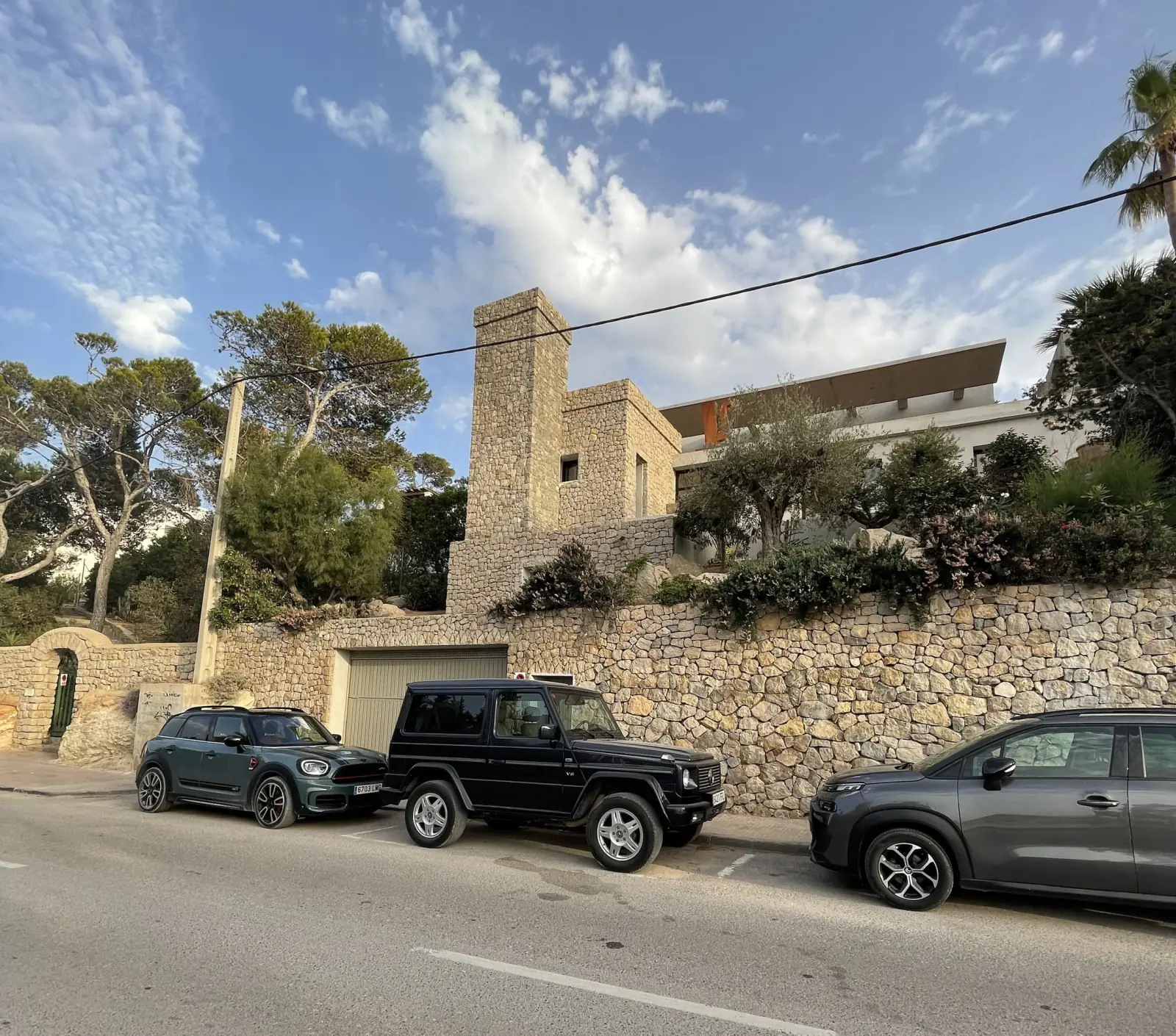
Hire car
A car is still the easiest way to get around. In high season, book weeks ahead and be patient when parking near the well-known coves.
Between resorts
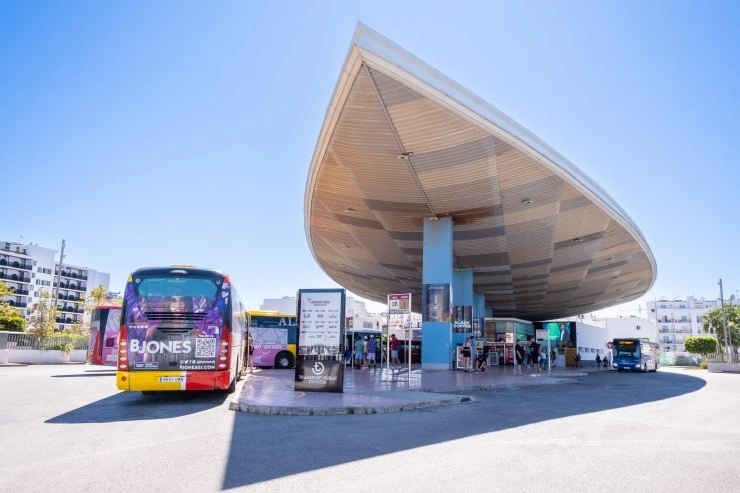
Bus and scooter
Buses link the main resorts, and a scooter is handy for short trips around your accommodation.
All the options are in getting around Ibiza and Formentera.
Accommodation
Where to stay in Ibiza?
The area matters as much as the hotel. Our guide on where to stay in Ibiza goes through each area by type of traveller.
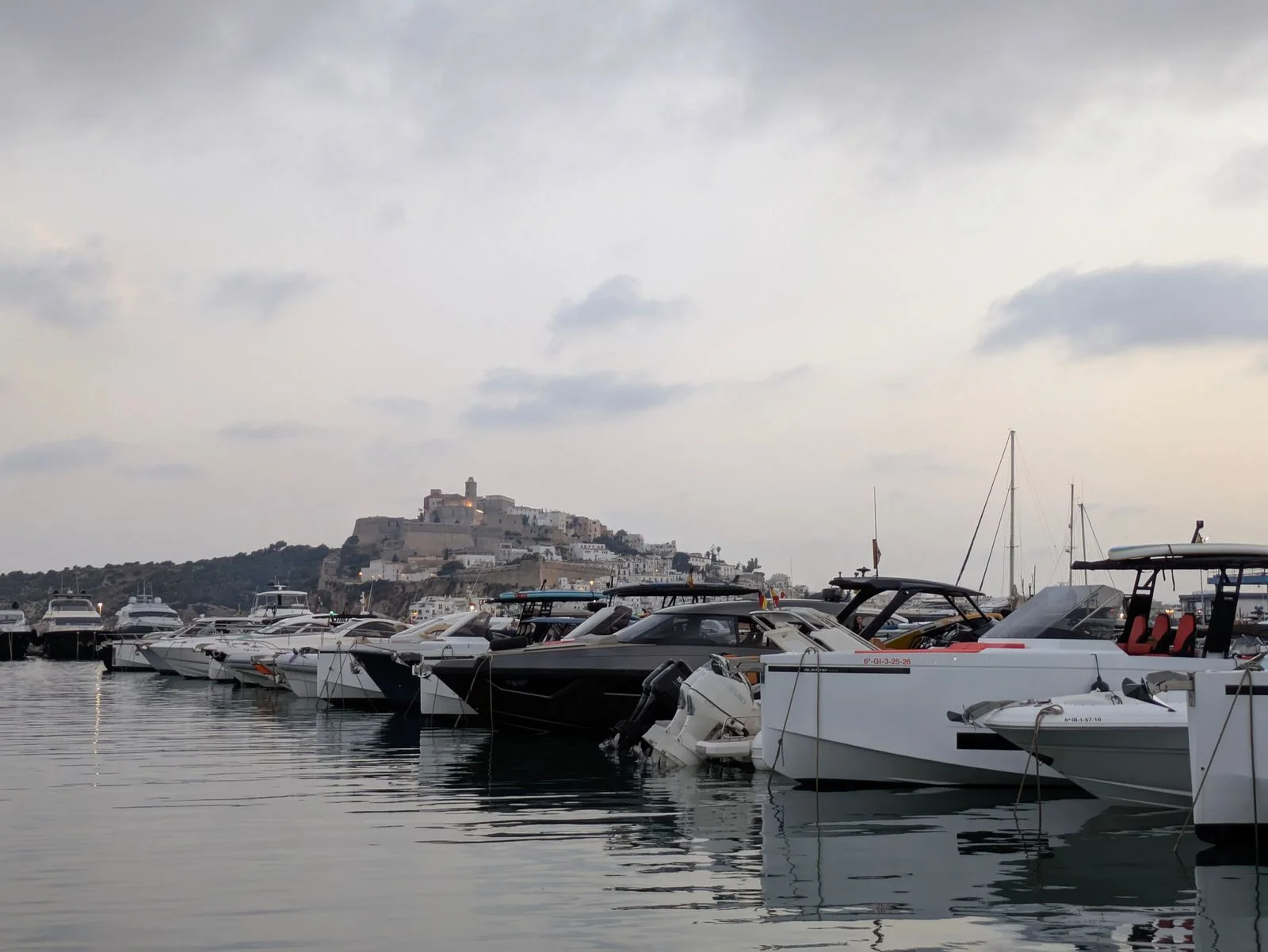
Eivissa (Ibiza Town)
City life, restaurants, the port and the old town of Dalt Vila on foot.
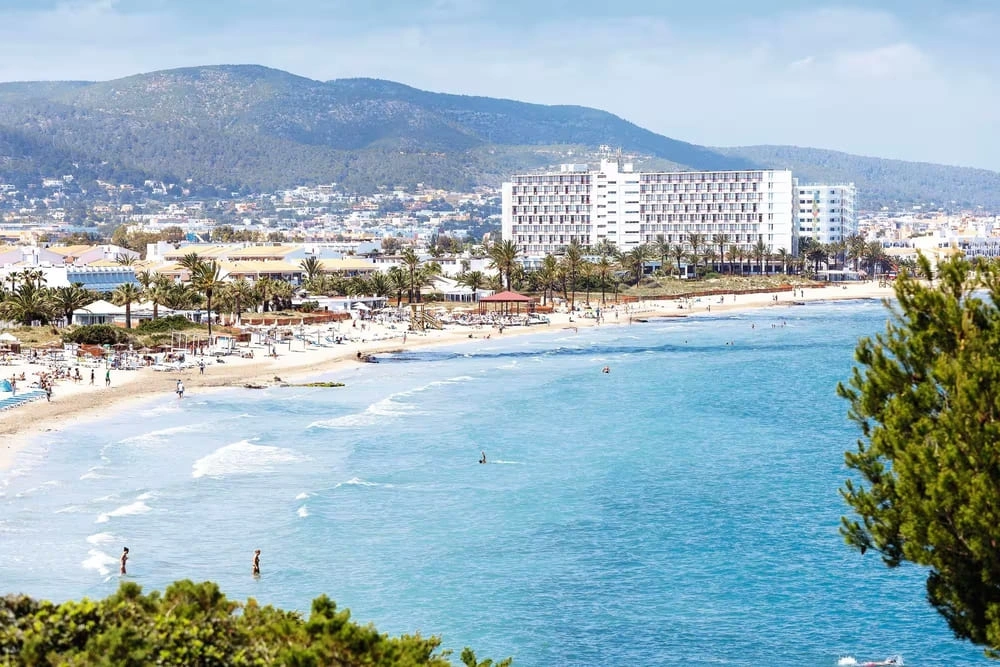
Playa d’en Bossa
The party area: clubs and beach clubs on the doorstep, on the island’s longest beach.
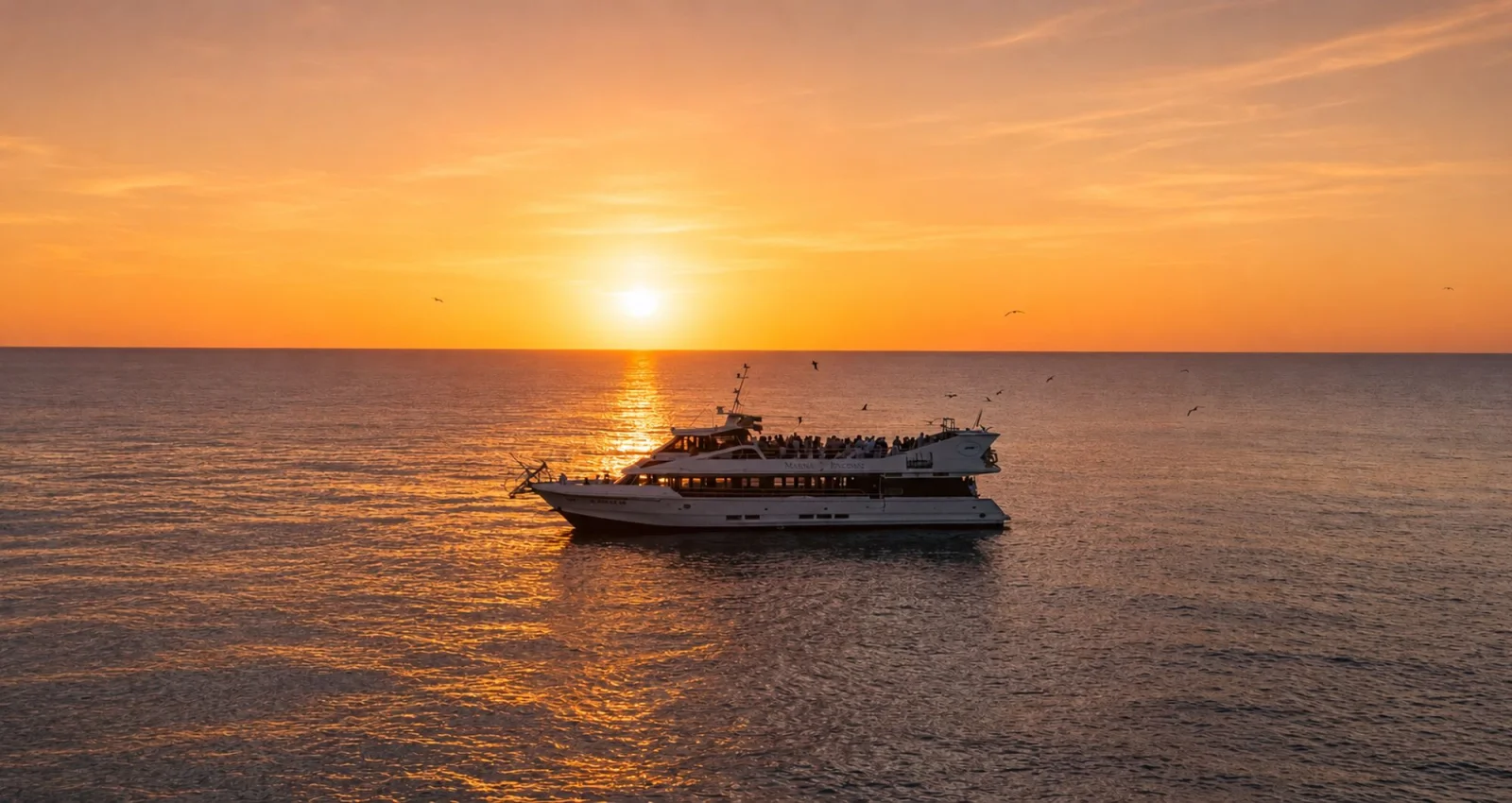
Sant Antoni
West coast, lively mood and sunsets over the bay.
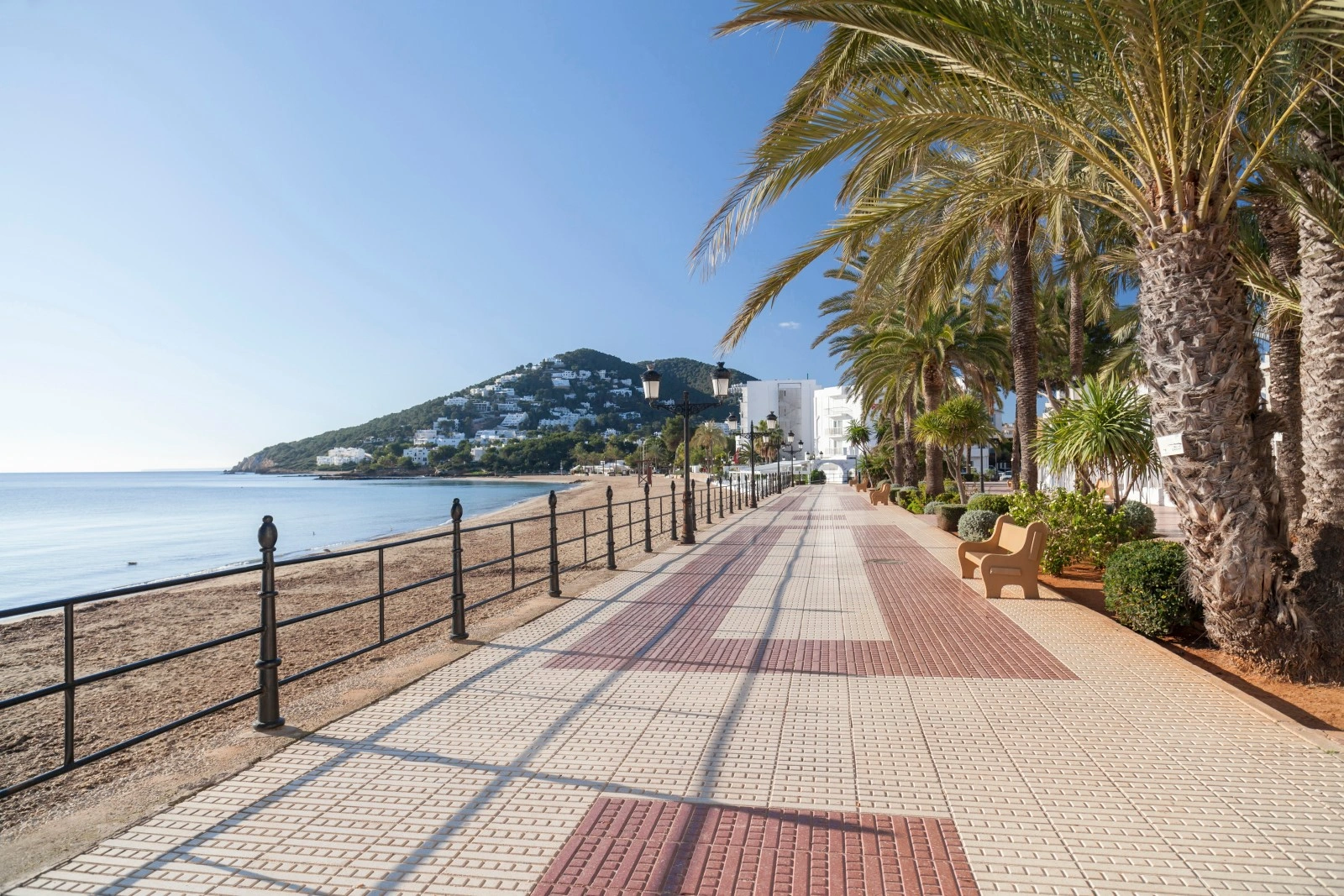
Santa Eulària
The family choice: seafront promenade, lifeguarded beach, easy pace.
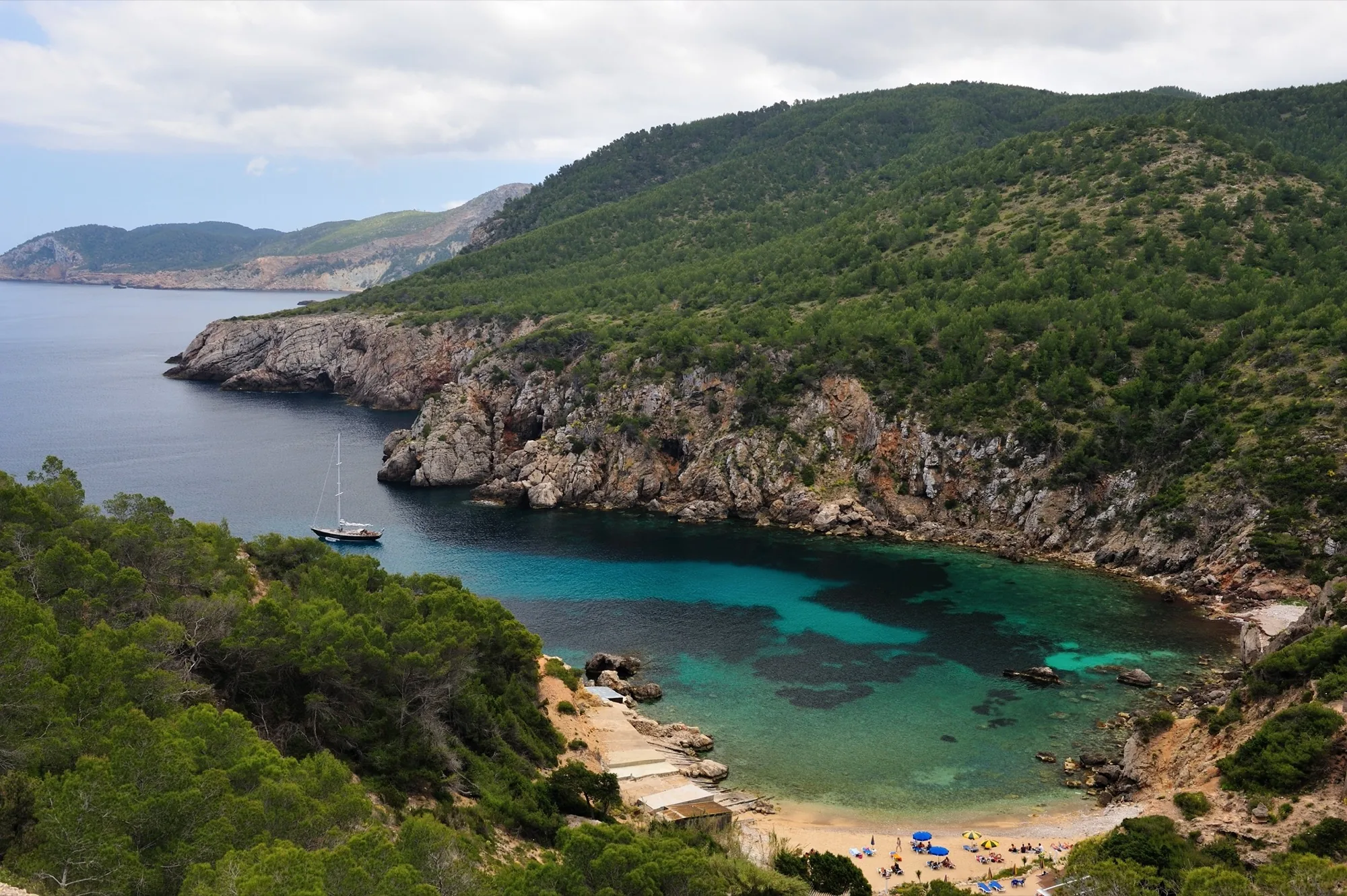
The north (Sant Joan, Portinatx)
Calm: wild coves, pine forests and villages, far from the bustle.
For places to stay, we have looked closely at several categories: luxury boutique hotels, the quirky pink Paradiso hotel, Romeo’s love motel, the much-awaited Nomade Temple in Portinatx, and villa rental with Le Collectionist for groups. If you need to work while you are there, our map of coworking spaces in Ibiza shows where to set up your laptop.
Compare before you book
Accommodation drives the bill
In high season it is the cost that varies most: compare early, area by area.
Activities
Things to do in Ibiza
On the water or on land, the island is a real playground. The essentials, with a booking link when there is a trip available:
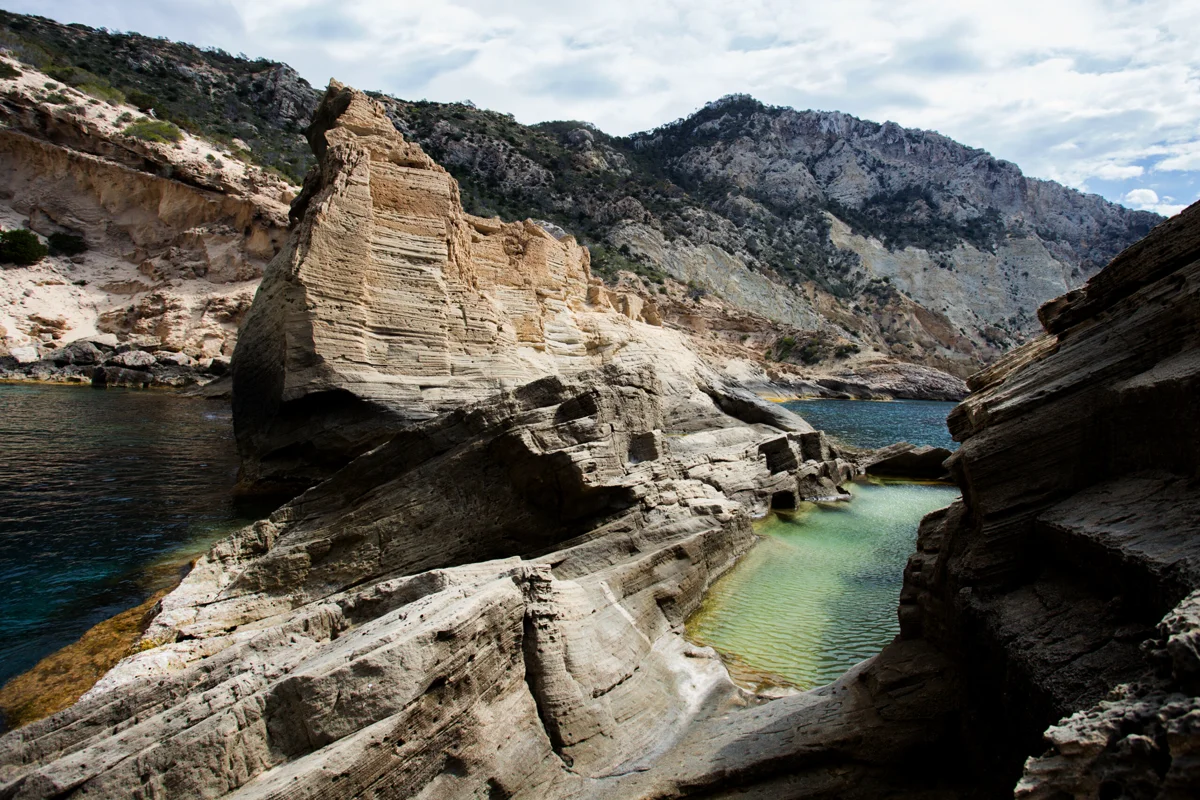
Atlantis (Sa Pedrera)
Emerald natural pools cut into an old sandstone quarry at the foot of the cliffs.
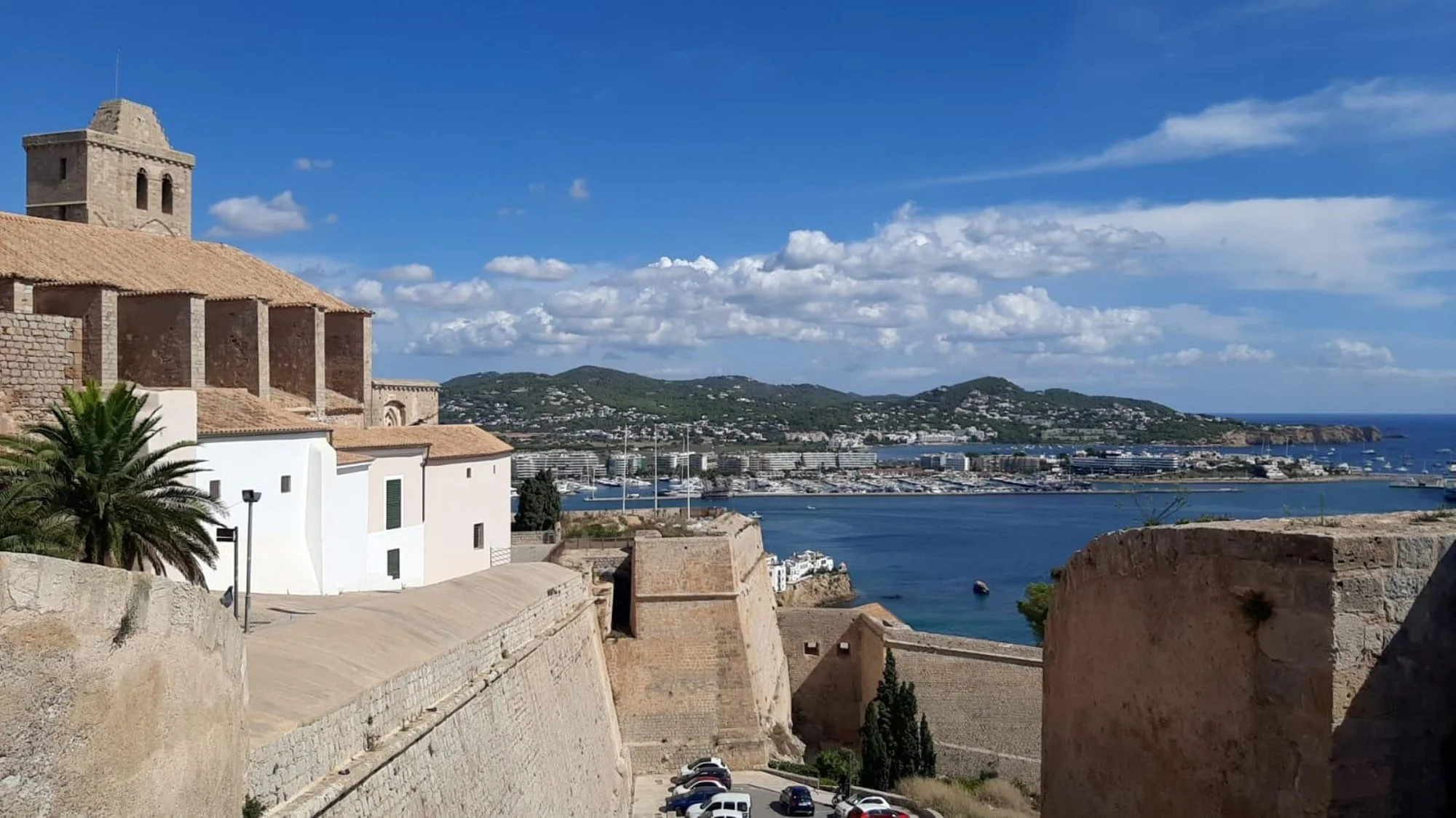
Dalt Vila by e-bike
The fortified old town and its walls, up to the cathedral without breaking a sweat.
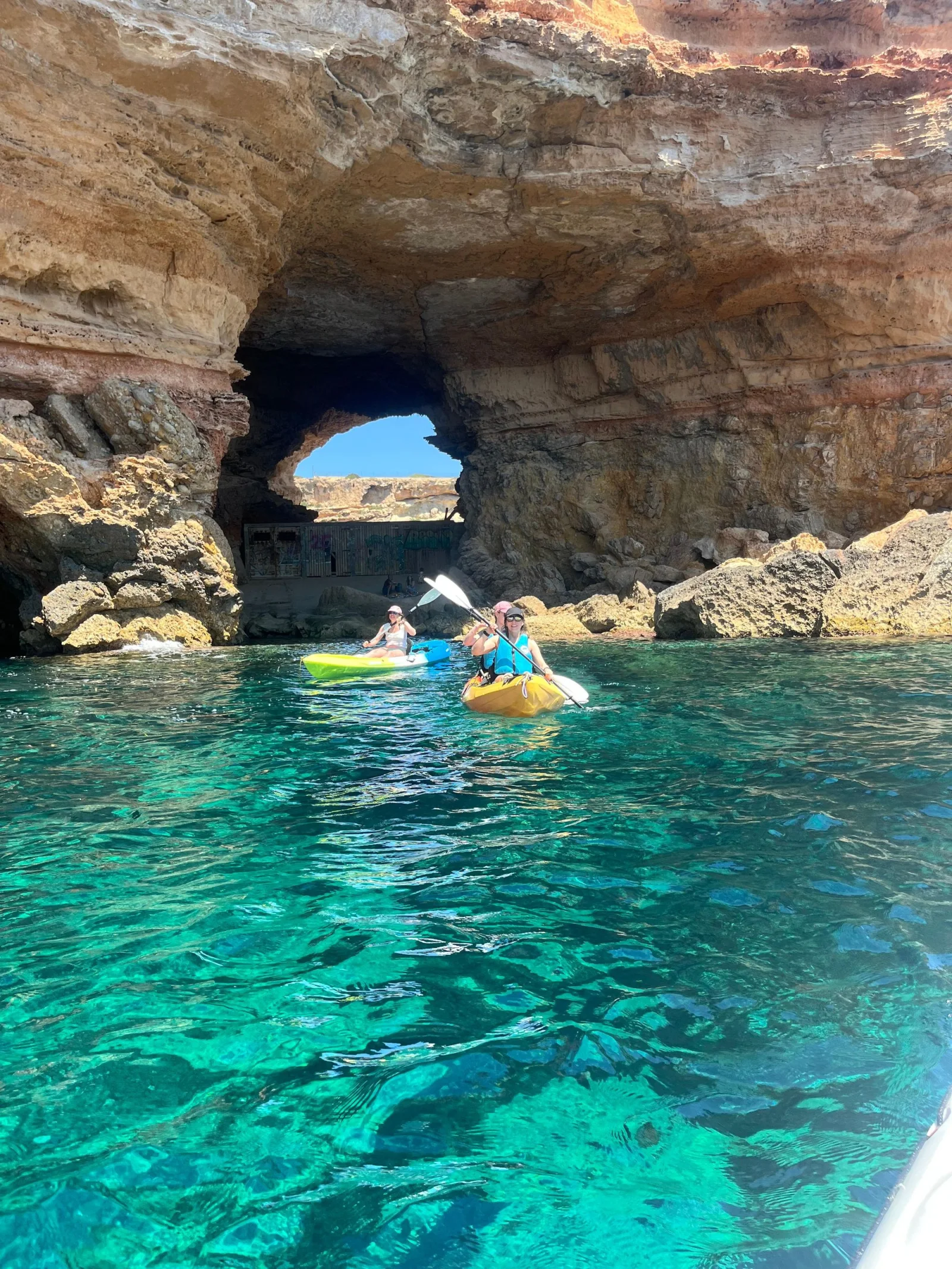
Kayaking and snorkelling
Caves and clear water around Cala Codolar, paddling first, then mask on. See also the best dive spots.
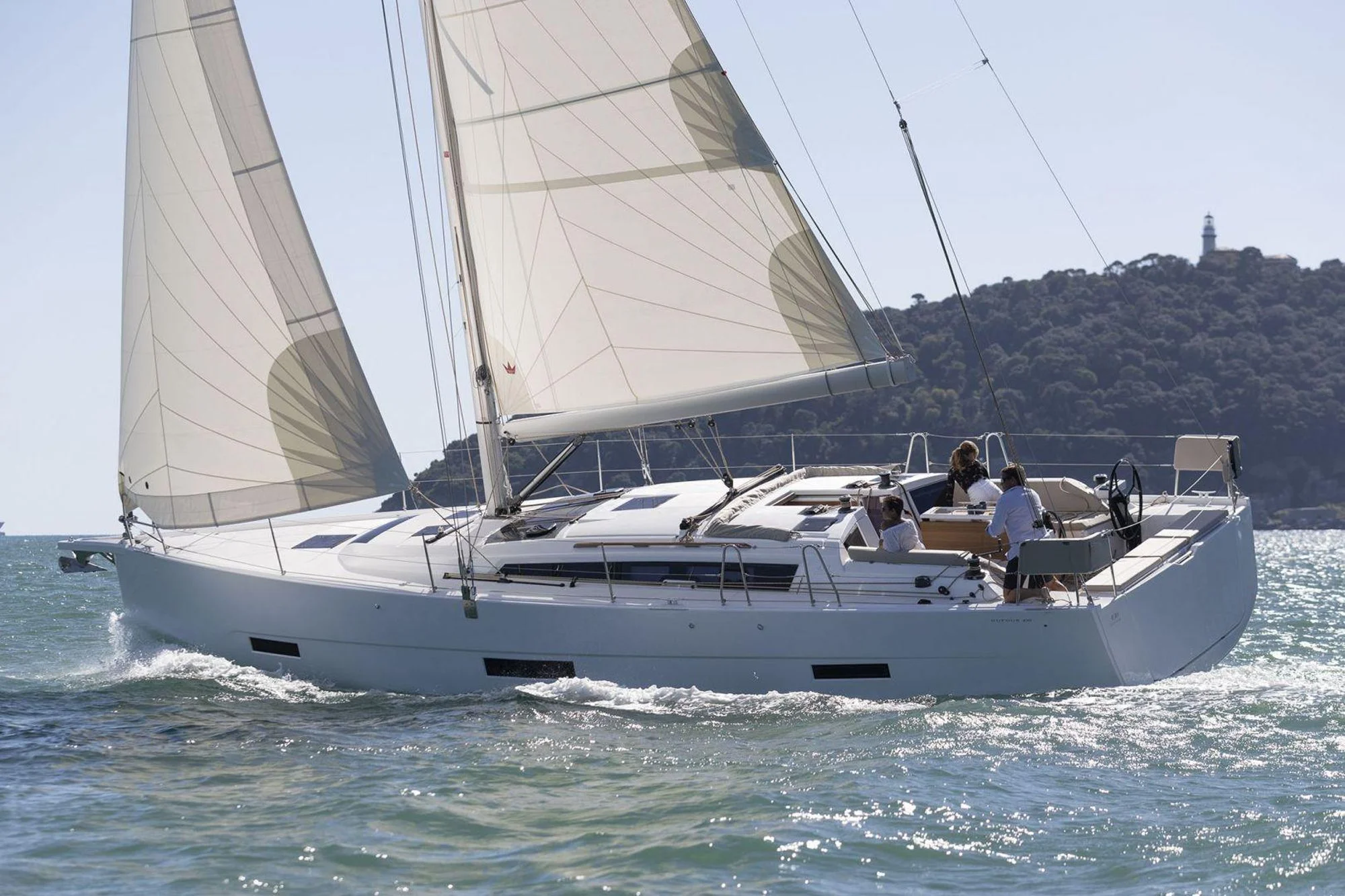
Sunset sailing
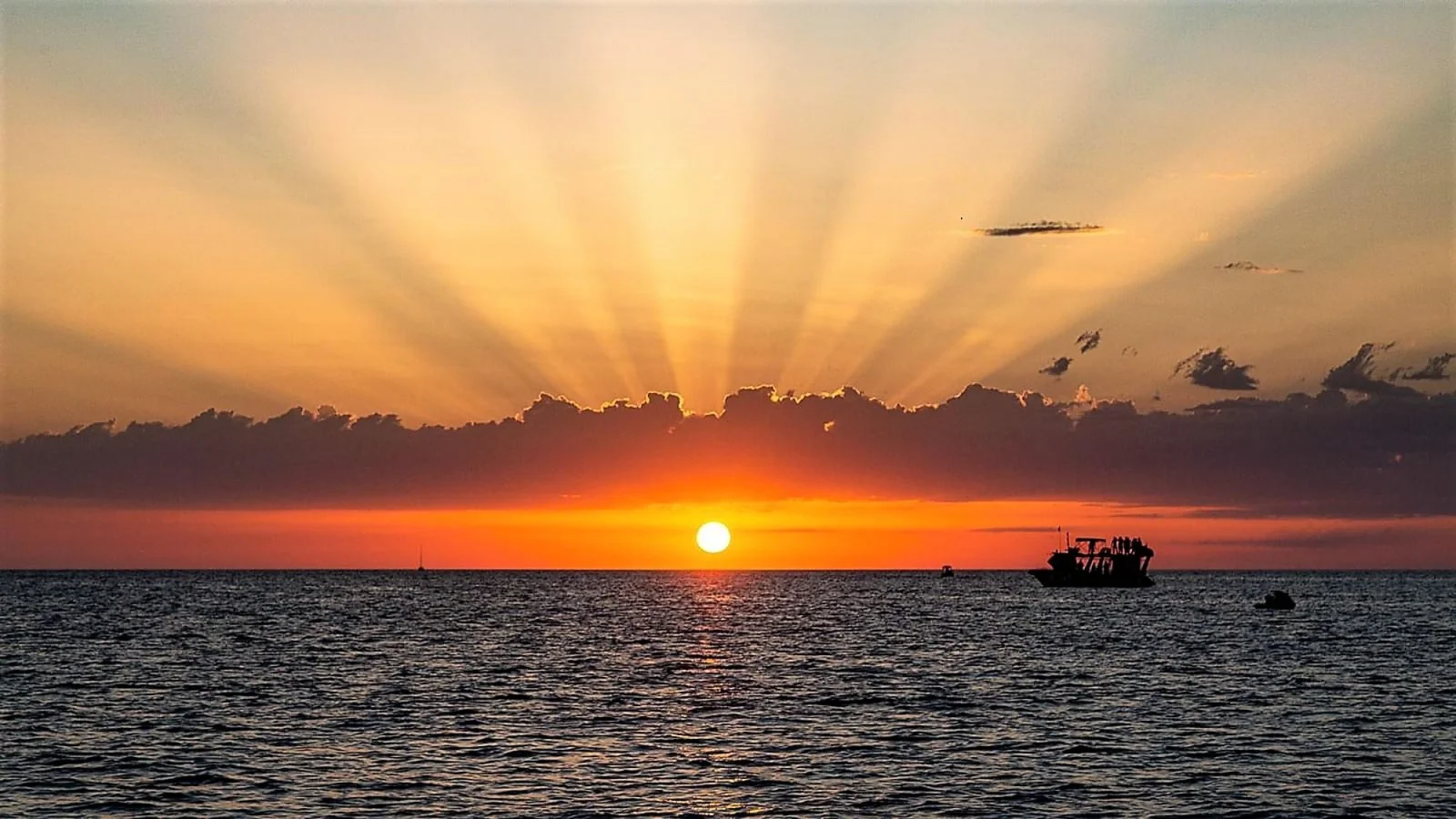
The west coast is made for it: the sun drops behind the islets, glass in hand. From dry land: our sunset spots.

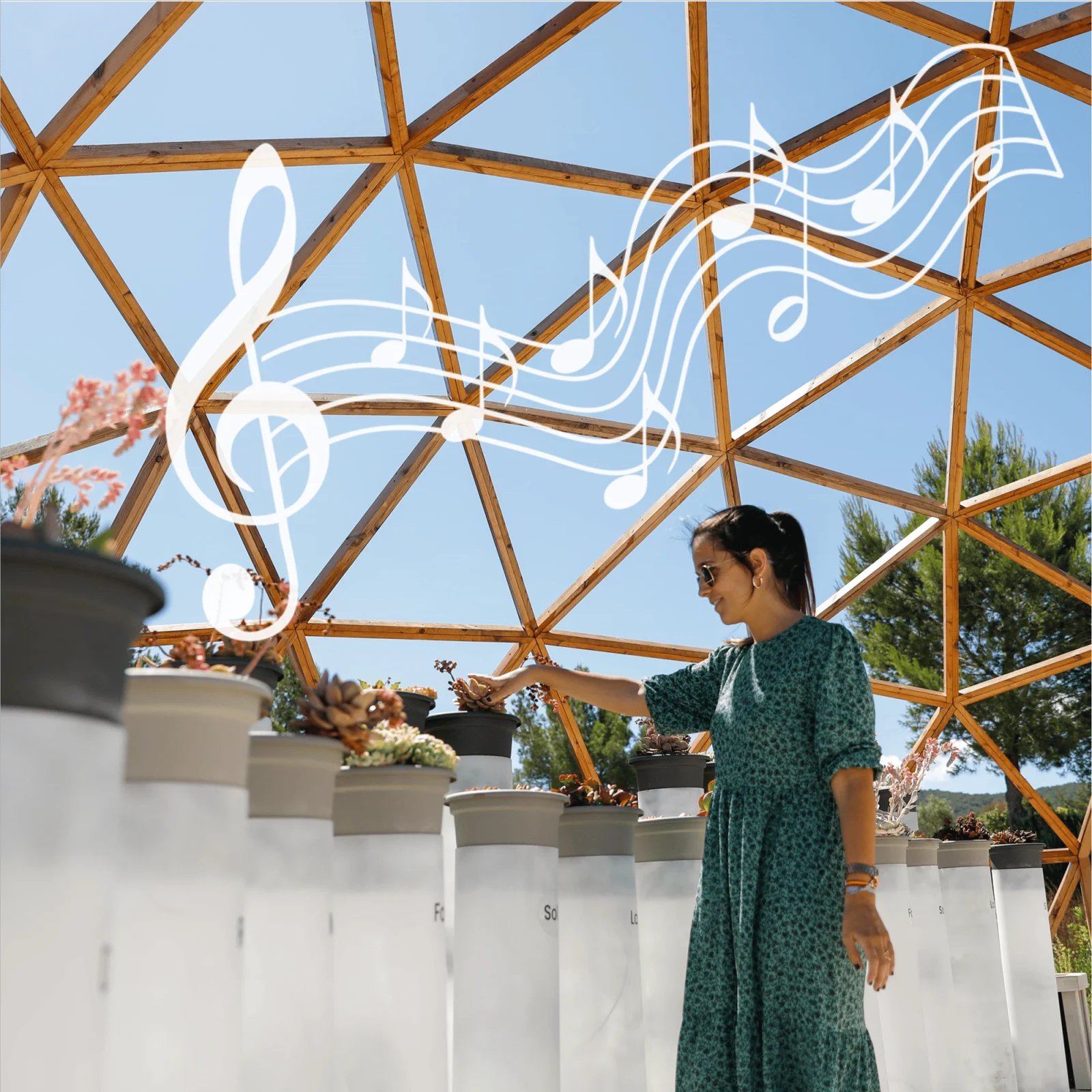

Hot air balloon flight
The island from above at sunrise, from the western coves to the inland villages.
For couples, we have gathered 10 ideas in romantic Ibiza; with the kids, everything is in Ibiza with children.
Nightlife
Clubs and nightlife
Clubs are part of Ibiza’s identity. Pacha, Hï, Ushuaïa, Amnesia, DC10, UNVRS: each has its area, its crowd and its opening calendar. To sleep close by, Playa d’en Bossa and Ibiza Town are the most practical areas.

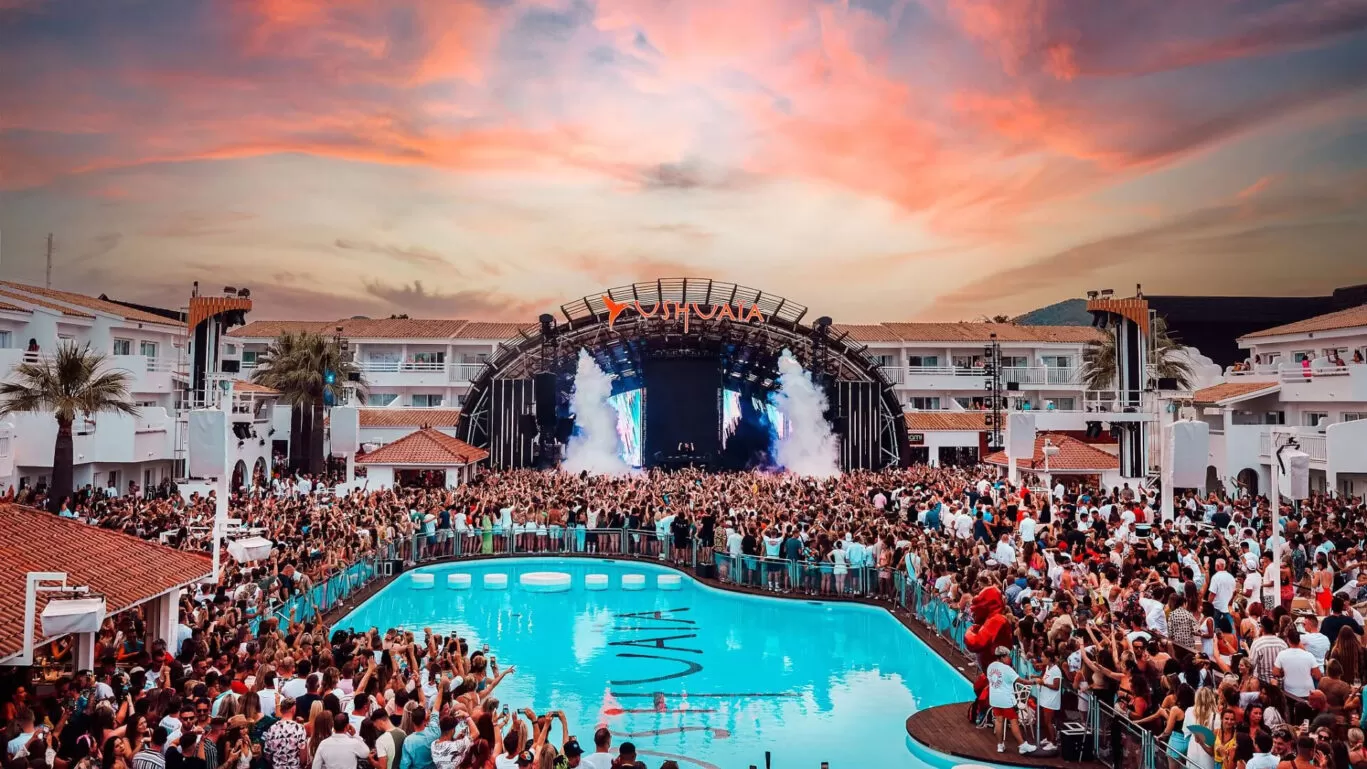


Up-to-date dates and addresses are in the clubs not to miss in Ibiza in summer 2026.
Beaches
Beaches and coves
Ibiza has nearly 80 beaches and coves, from the classic beach with every facility to the wild inlet you have to walk to. Eight to start with, all covered in our guide to the best beaches in Ibiza:
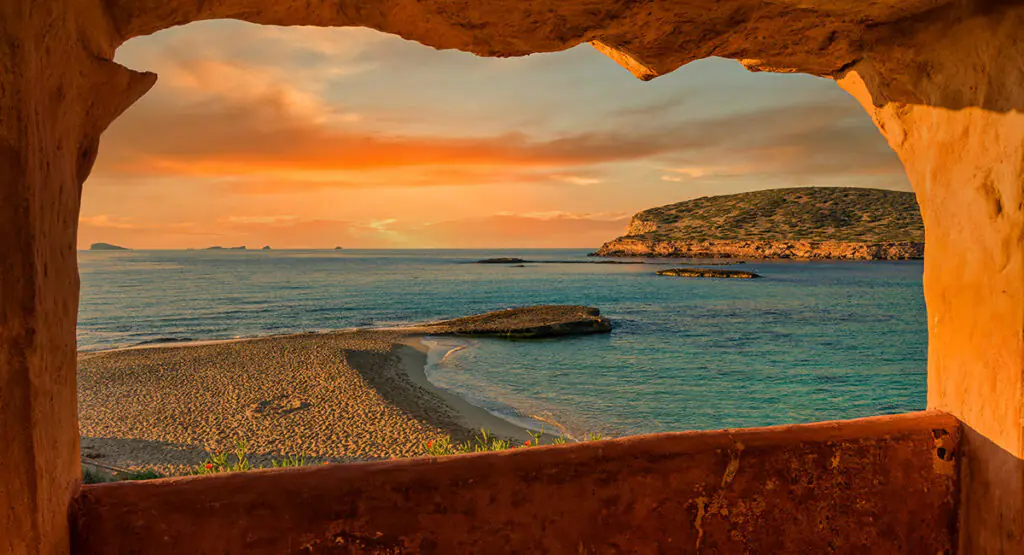
Cala Comte
West coast, turquoise water between the islets and one of the best sunsets on the island.
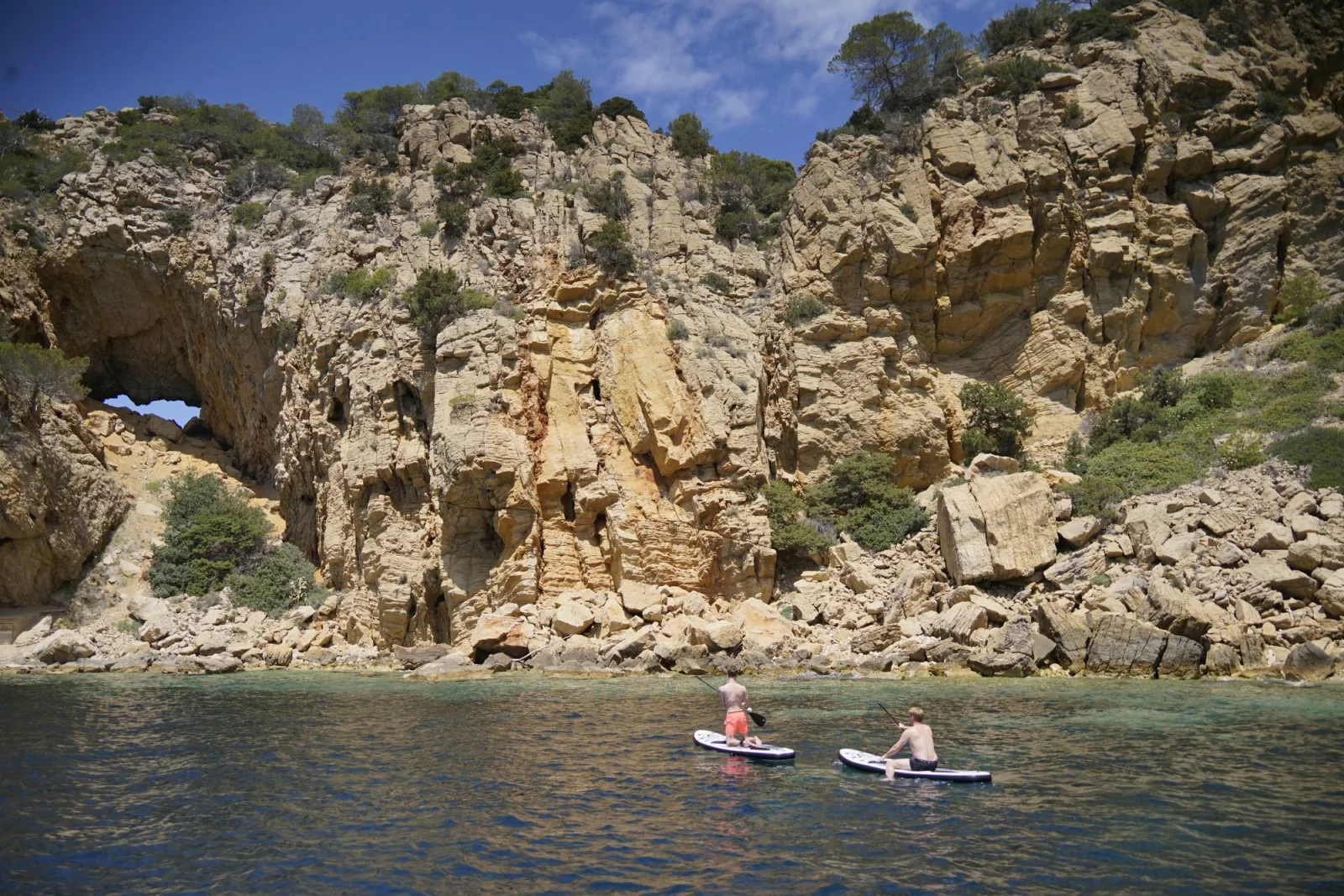
Cala Salada
Two crystal-clear coves north of Sant Antoni, pine trees down to the sand, access limited in summer.
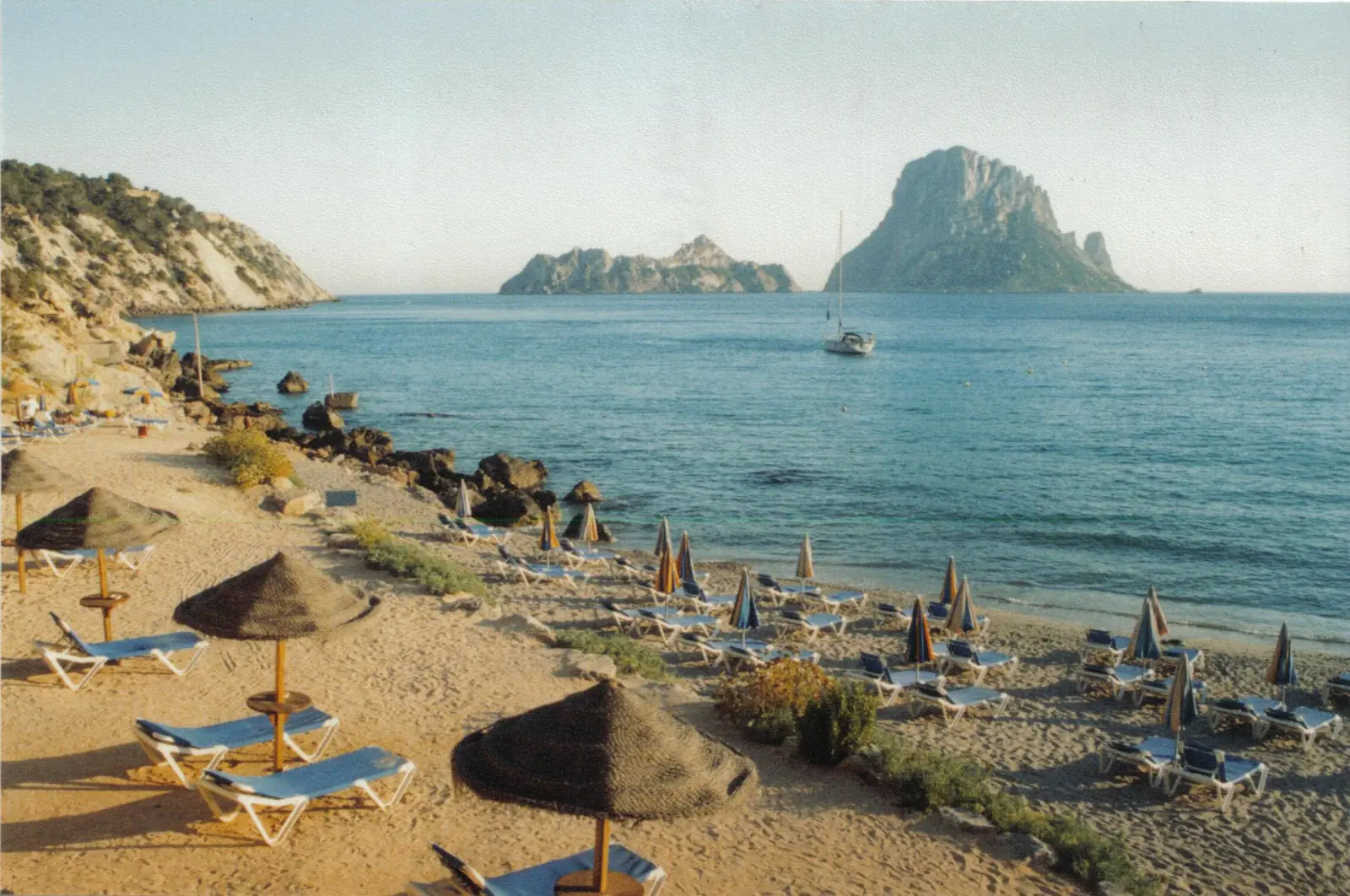
Cala d’Hort
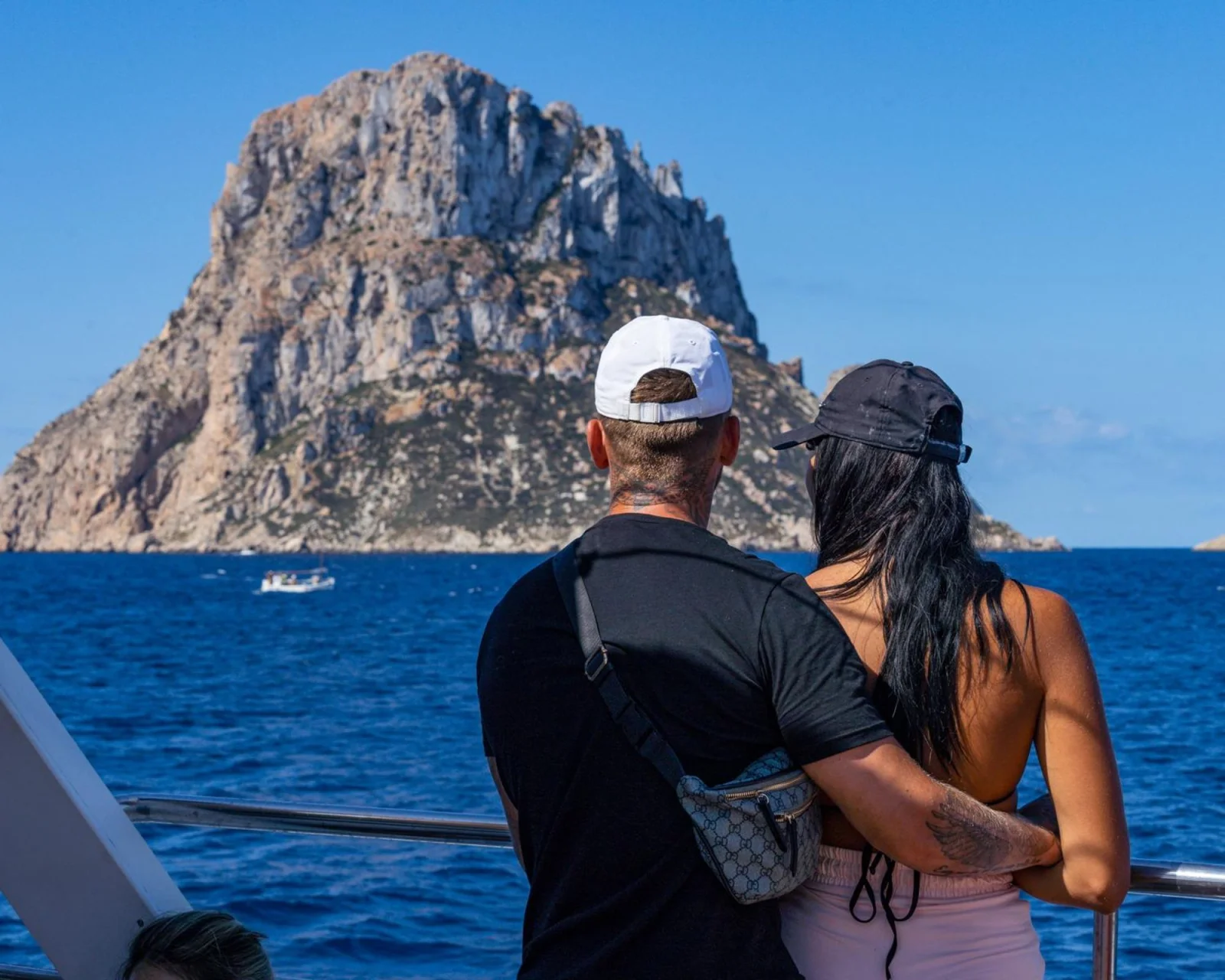
Facing Es Vedrà: clear water, fish restaurants and sunsets.
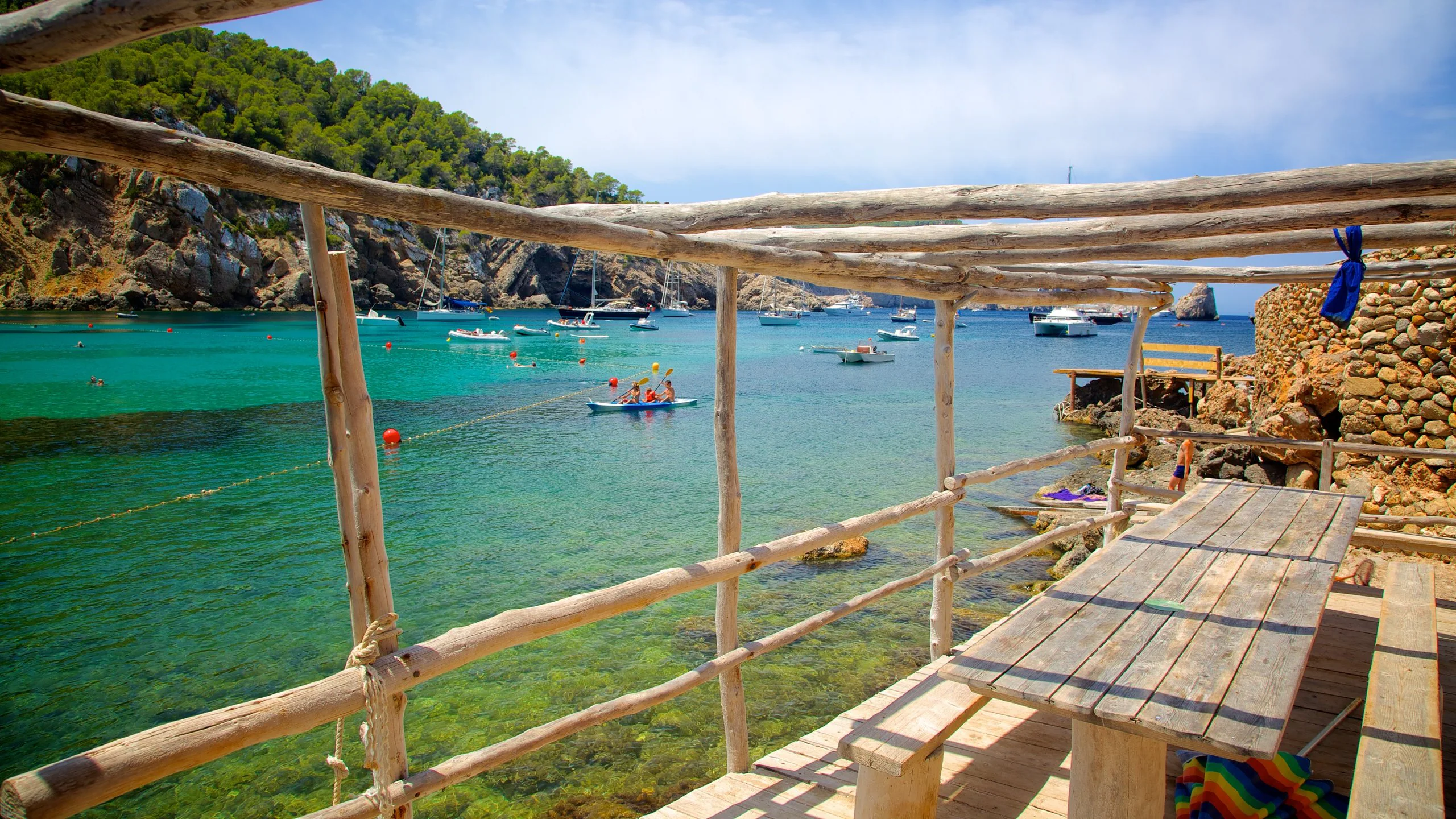
Benirràs
Northern cove famous for its drum ceremony at sunset.
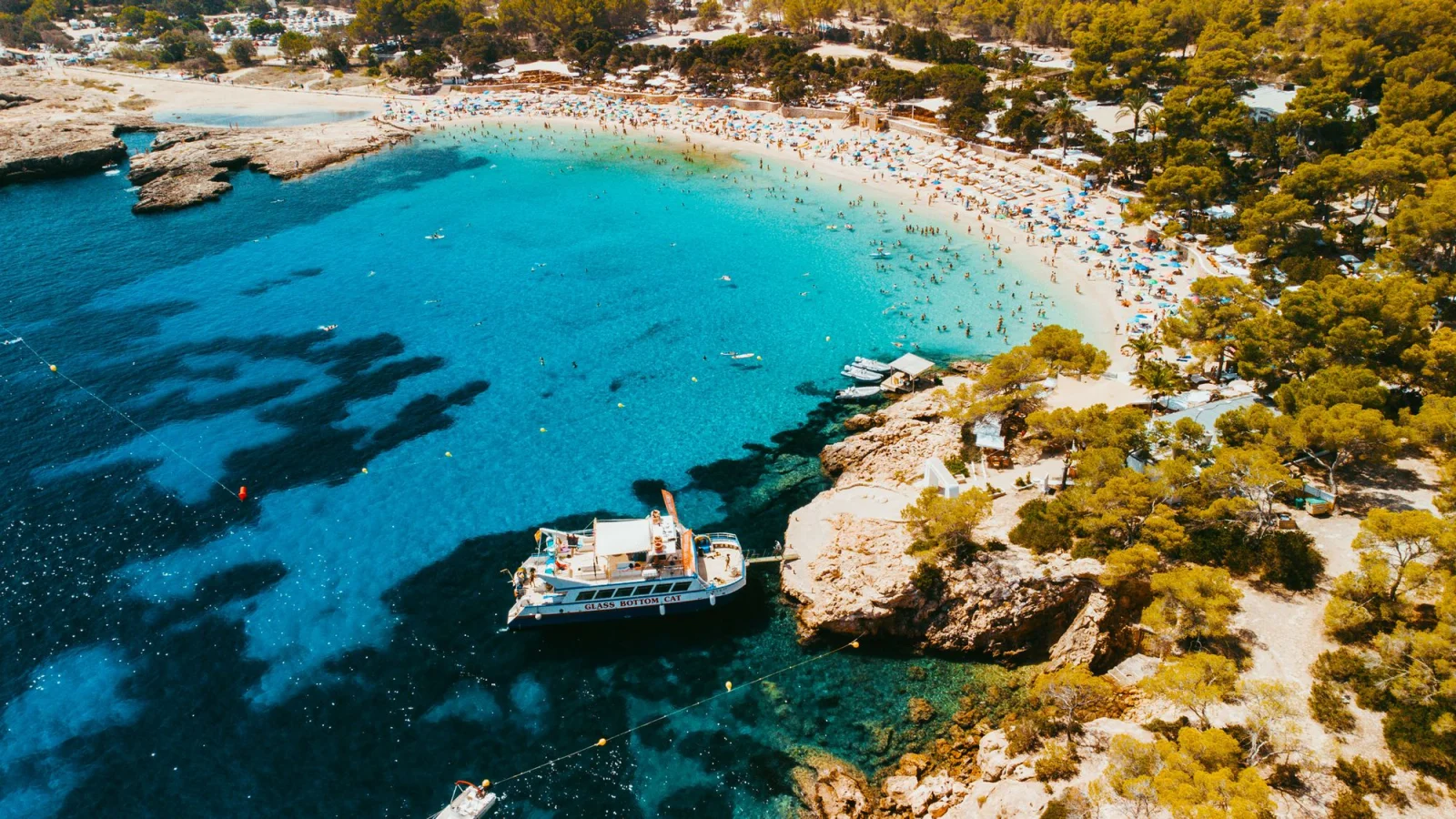
Cala Bassa
Large fine-sand beach lined with pines, turquoise water and a beach club.
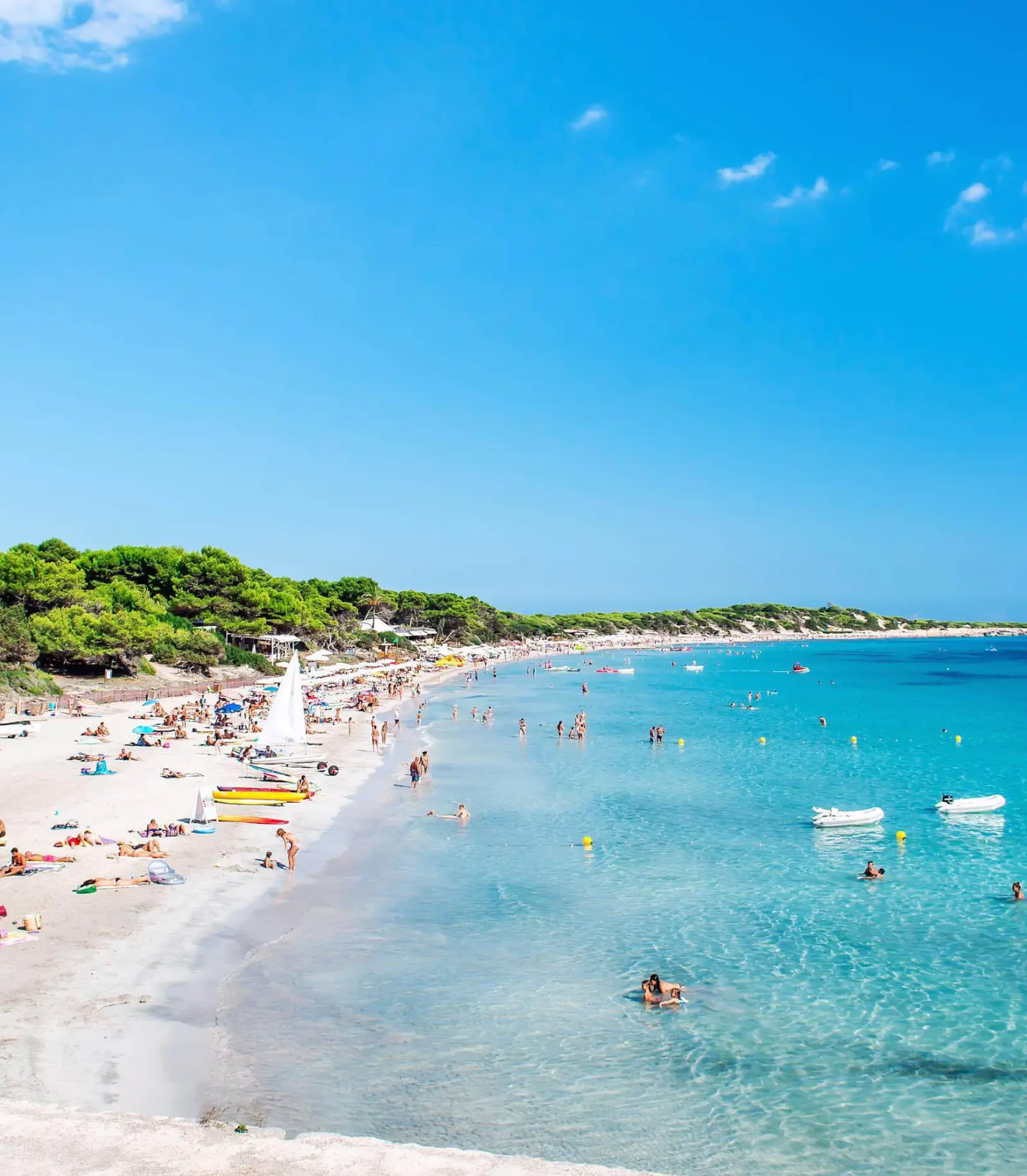
Ses Salines
The big southern beach inside the nature park: white sand, somewhere between nature and party.
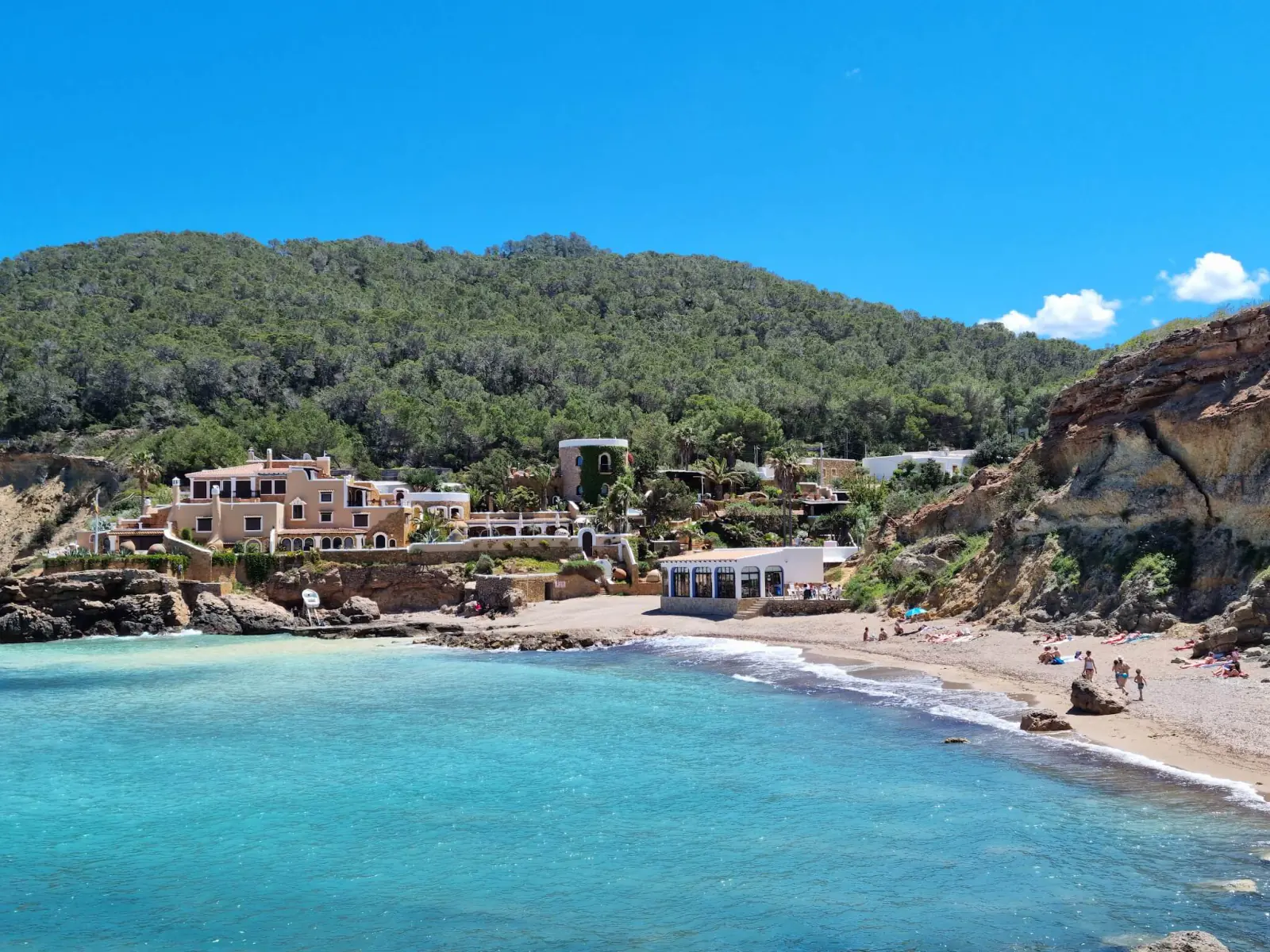
Cala Xarraca
Small, secluded rocky cove in the north, ideal for snorkelling.
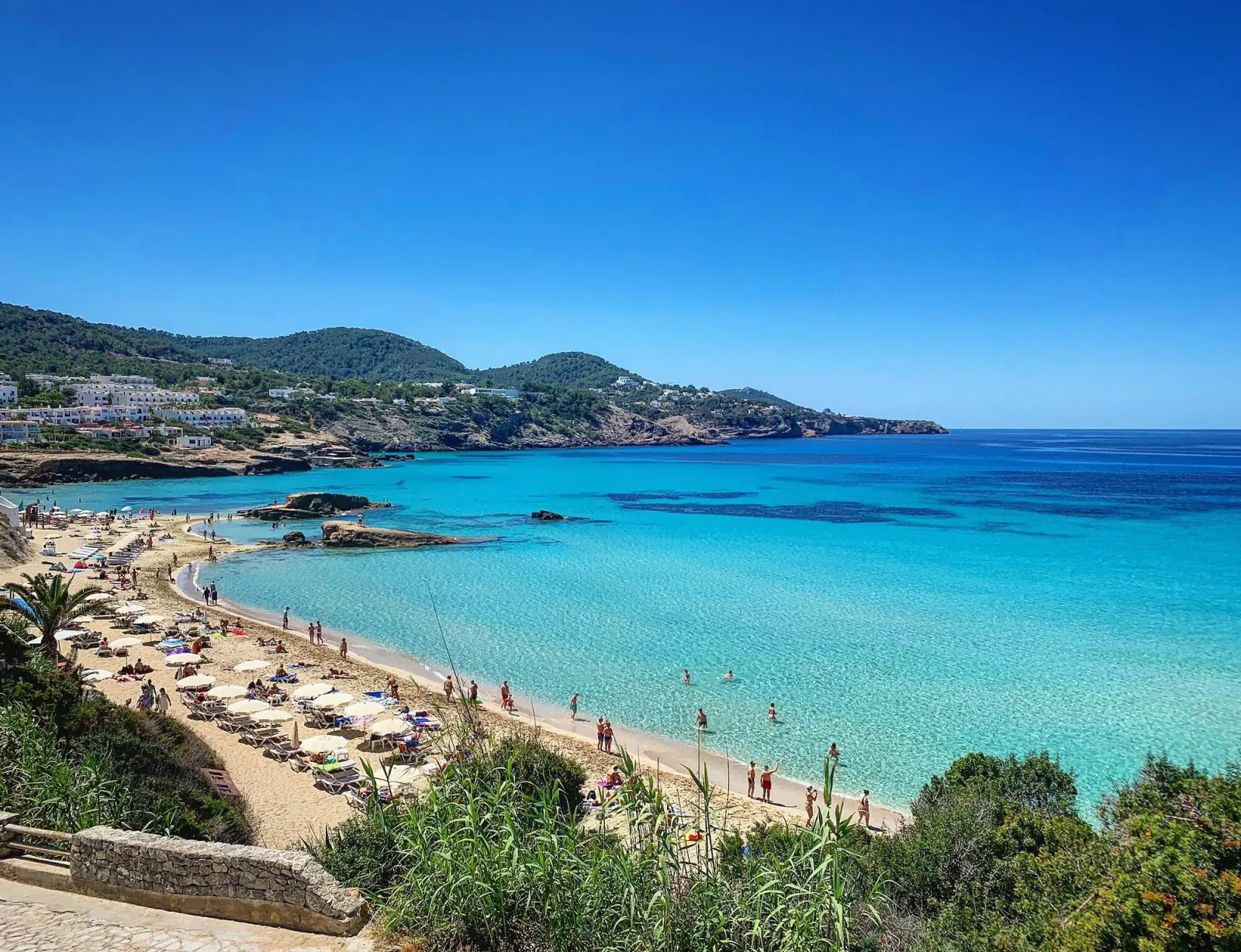
Cala Tarida
A 900 m lagoon on the west coast, family-friendly, with water sports and restaurants.
For families, we have picked the best beaches for swimming with children, and for some downtime, the best beach massages.
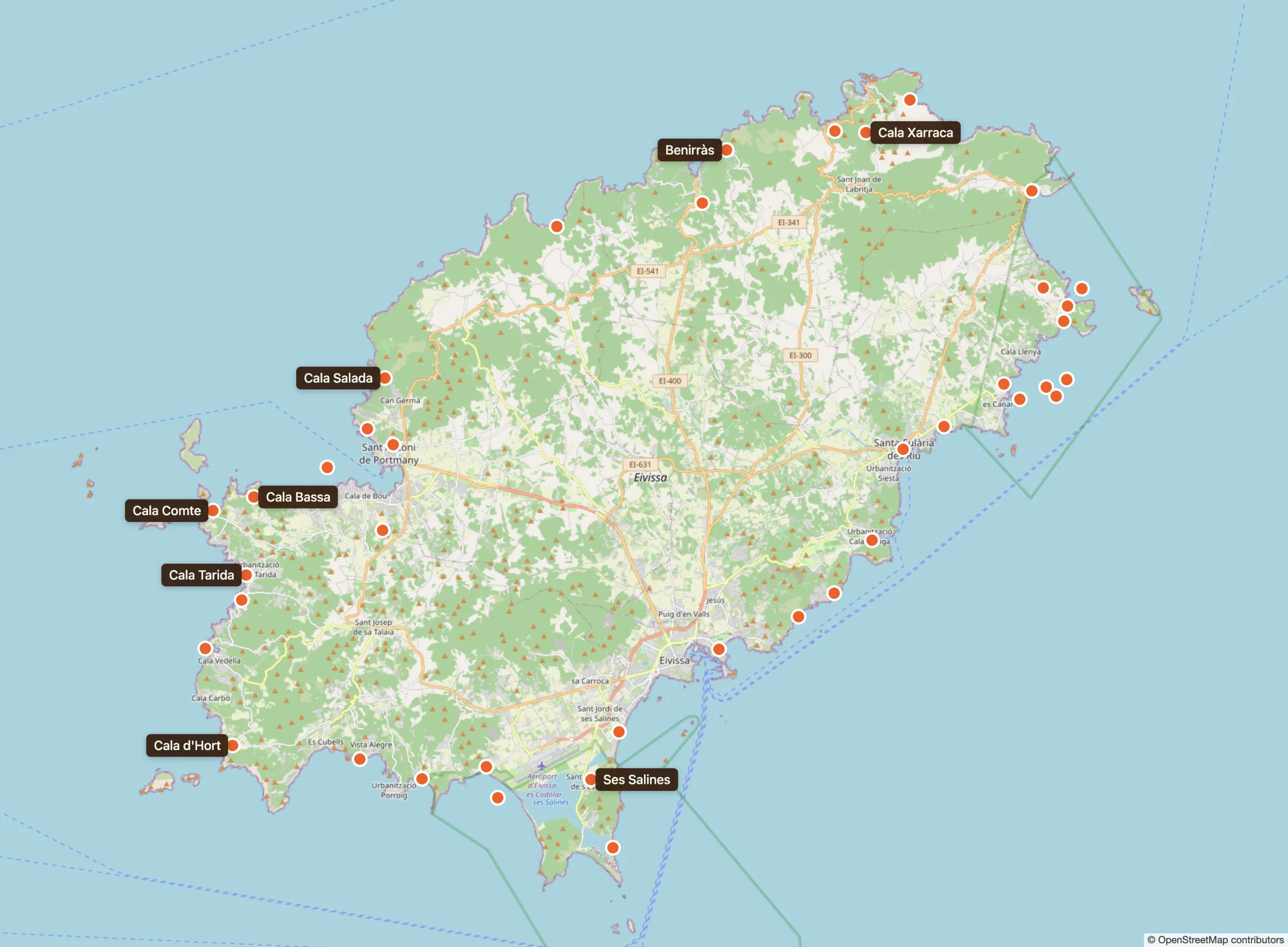
Beach map
Ibiza’s 40 beaches on one map
Filter the beaches by what you are after, then open each beach page: access, parking, shade, beach bar.
Culture
Hippie markets and local culture
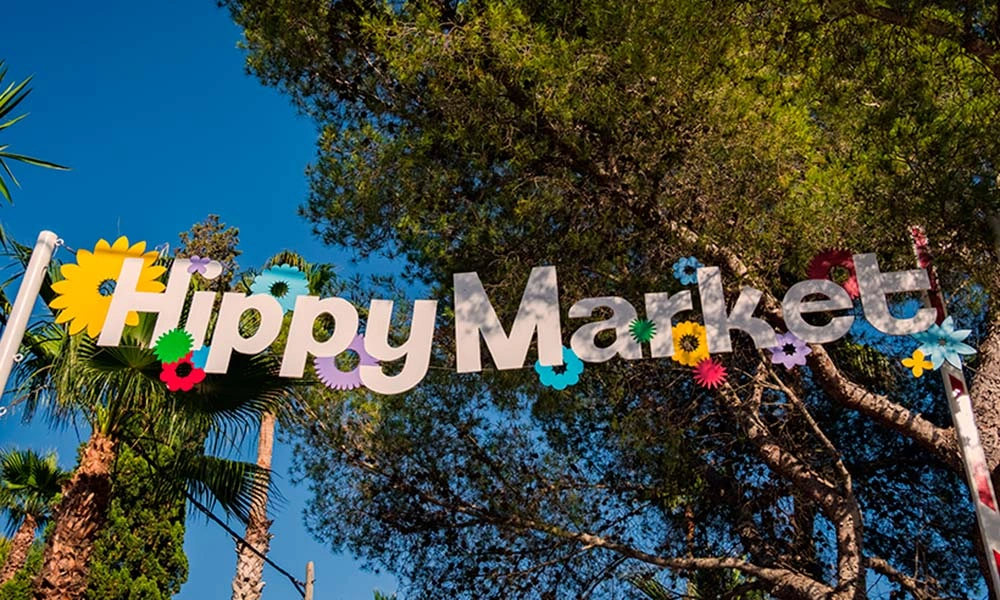
A direct legacy of the 1970s, the hippie markets are part of the island’s DNA. Our guide to the hippie markets of Ibiza covers their history and the practical info, days and times included.
Sant Carles
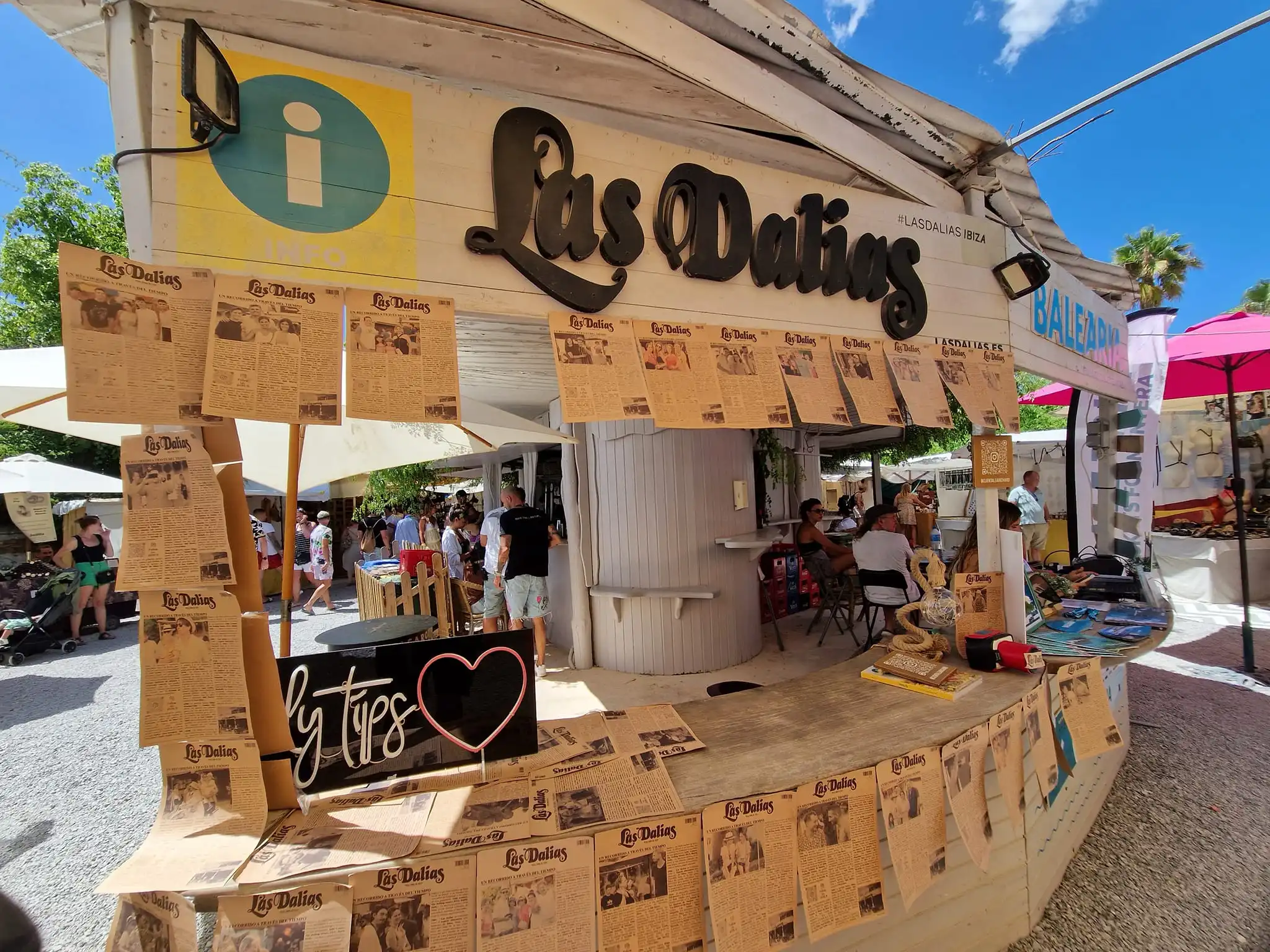
Las Dalias
The iconic Sant Carles market, which grew up around a 1950s bar. Days and times.
From our own visits
We did Punta Arabí on a first trip, then Las Dalias last year when it opened in the daytime. One year we turned up on an evening when it was closed: lesson learnt, we always check the days and times before going, as they change with the season.
At the table
Food and places to know
Ibizan cooking is farmhouse and seafood before it is party food. Five dishes make up a real local meal:
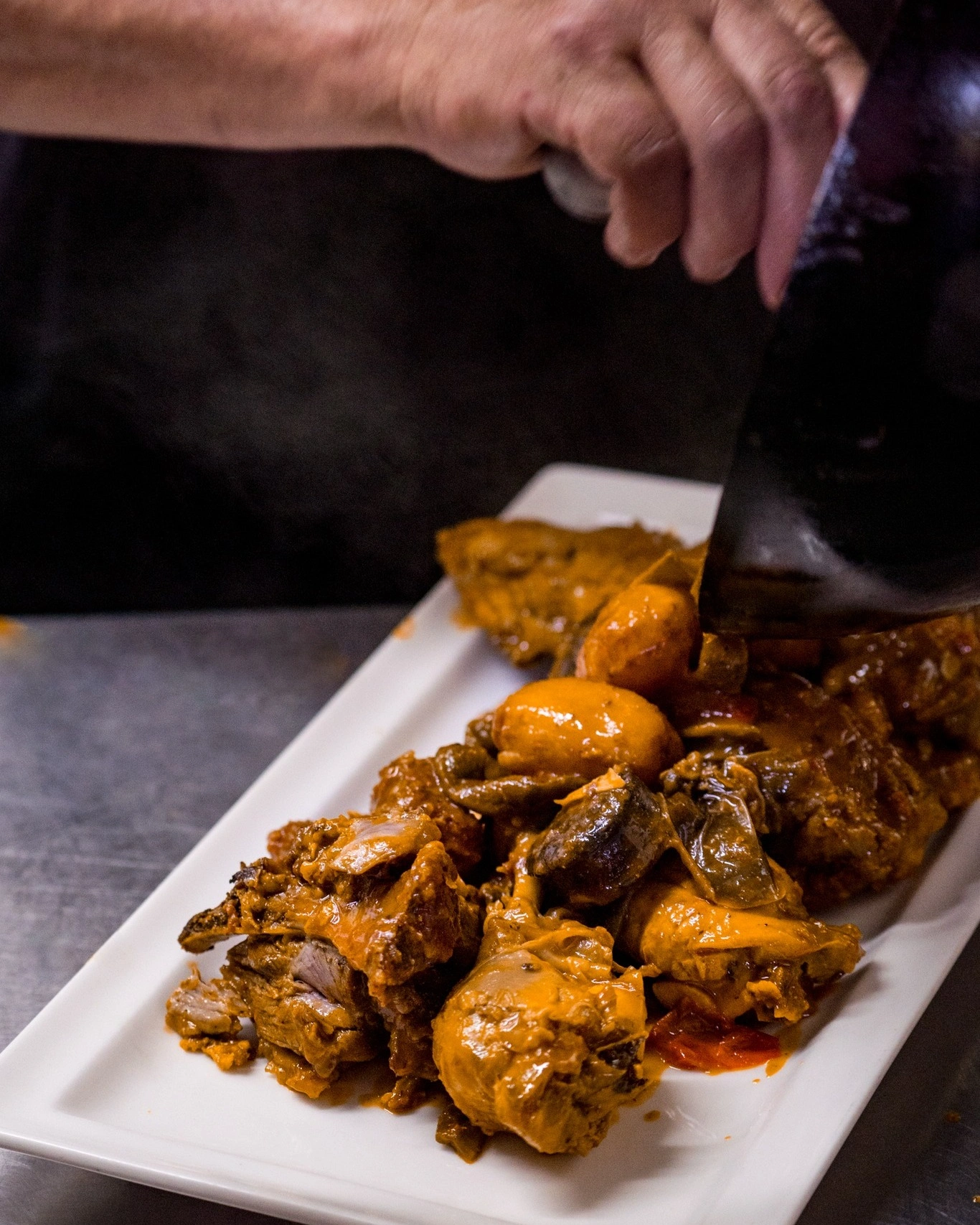
Sofrit pagès
The island’s most typical dish: a farmhouse stew of meats and potatoes. The recipe.
Bullit de peix
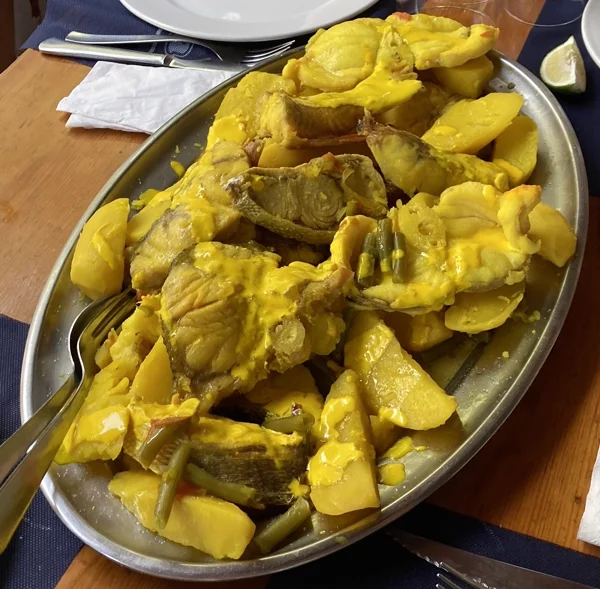
Rockfish stew served in two stages (broth, then rice). All about bullit.
Ensalada payesa
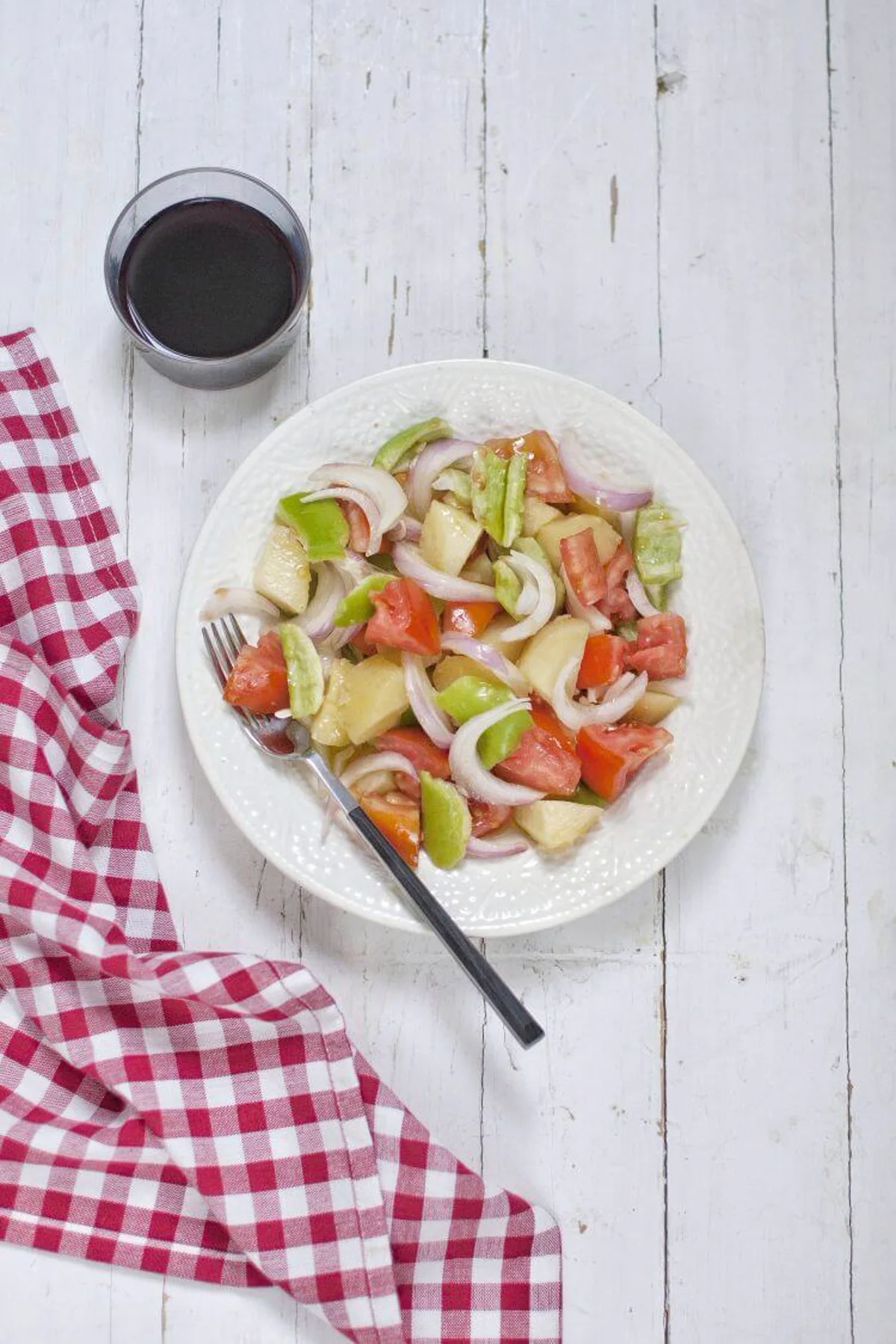
The farmhouse salad of potatoes, peppers and peix sec (dried fish). The recipe.
Flaó
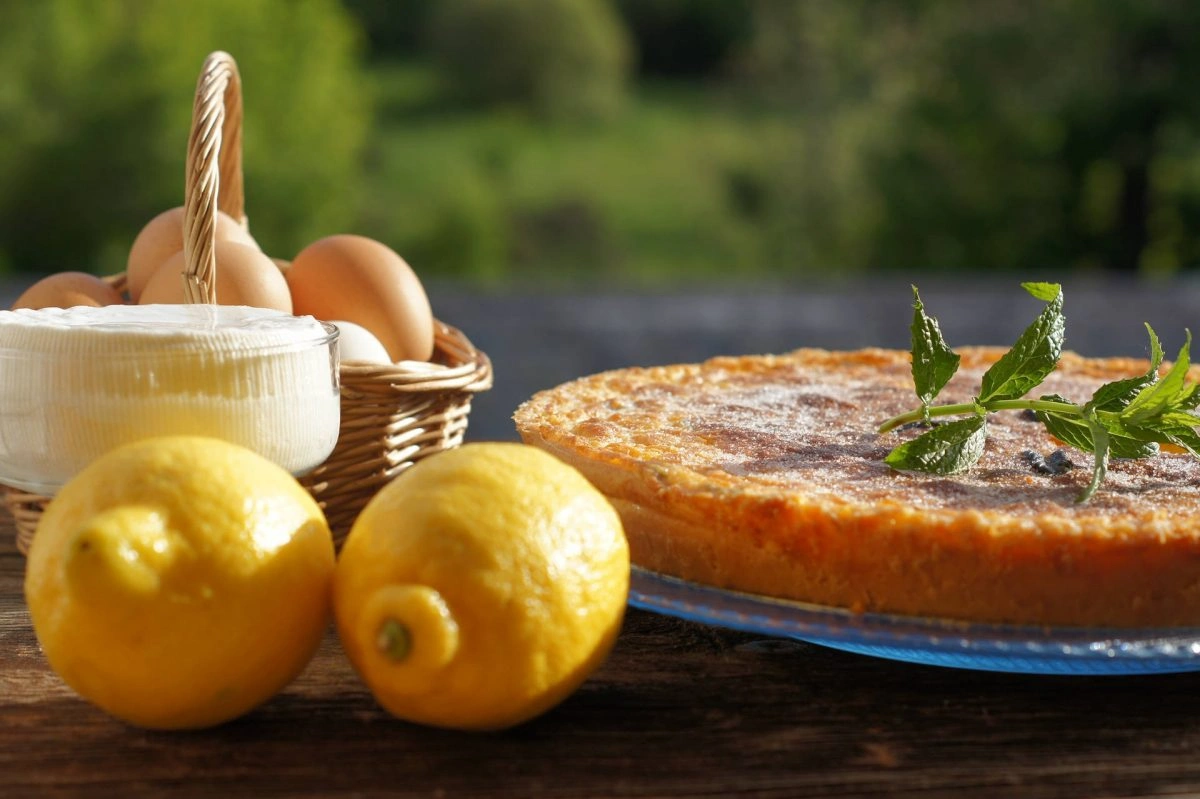
Fresh cheese and mint cake, the island’s signature dessert. The flaó recipe.
Hierbas ibicencas
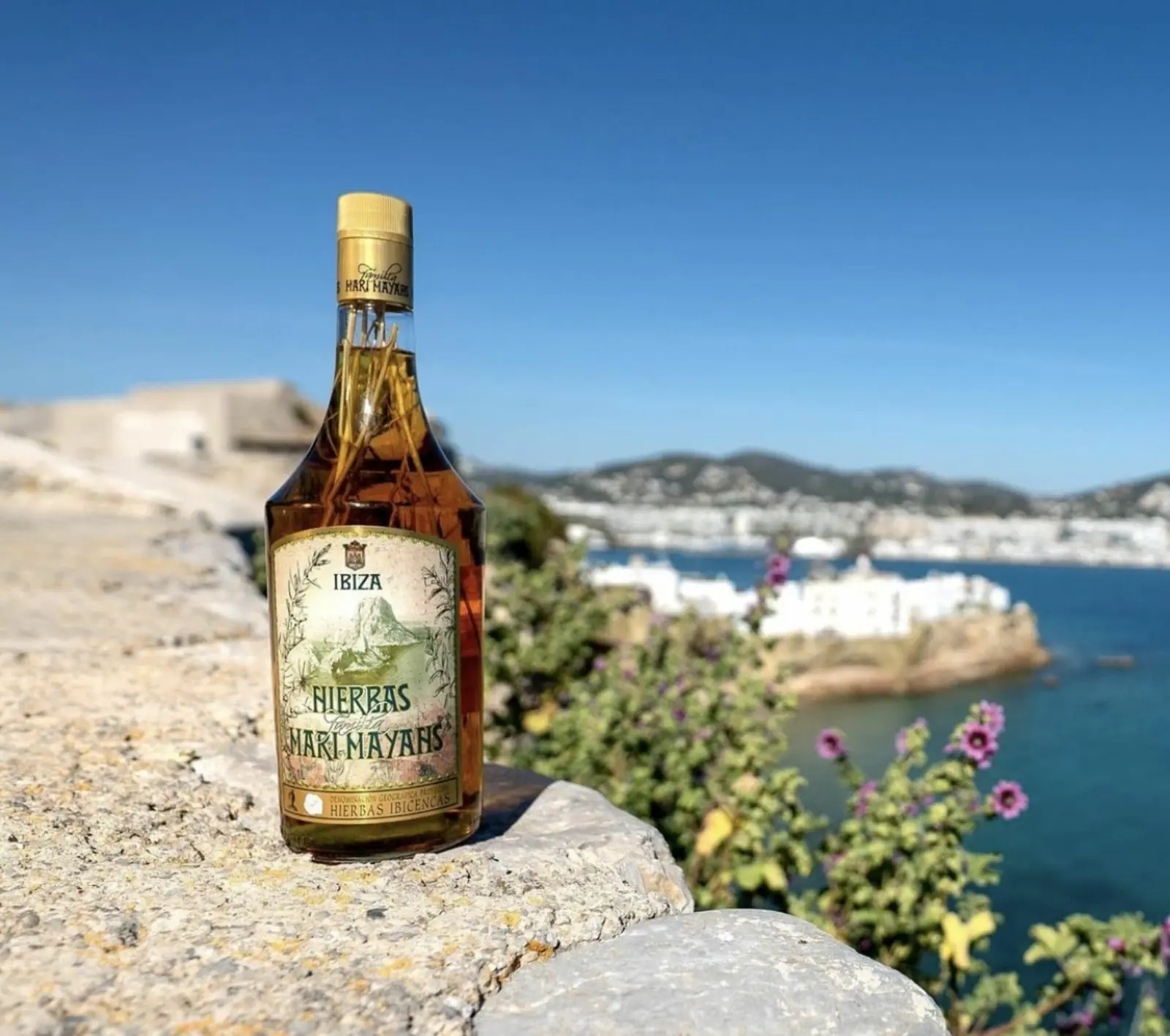
A liqueur made from the island’s herbs, served ice-cold after dinner. All about hierbas.
To stock up on fresh produce, head to Ibiza’s food markets. As for wine, the island has made it since antiquity: it is all in our guide to Ibiza wines and vineyards.
Budget
How much to budget and how to prepare your trip?
Ibiza can be very expensive or stay reasonable, depending on the season and where you stay. The cost that swings the bill most is accommodation in high season.
Before packing, run through our checklist of 10 things to do before travelling to Ibiza and Formentera: documents, insurance, bookings, transfers, it is all there.
Comparison
Ibiza or Formentera?
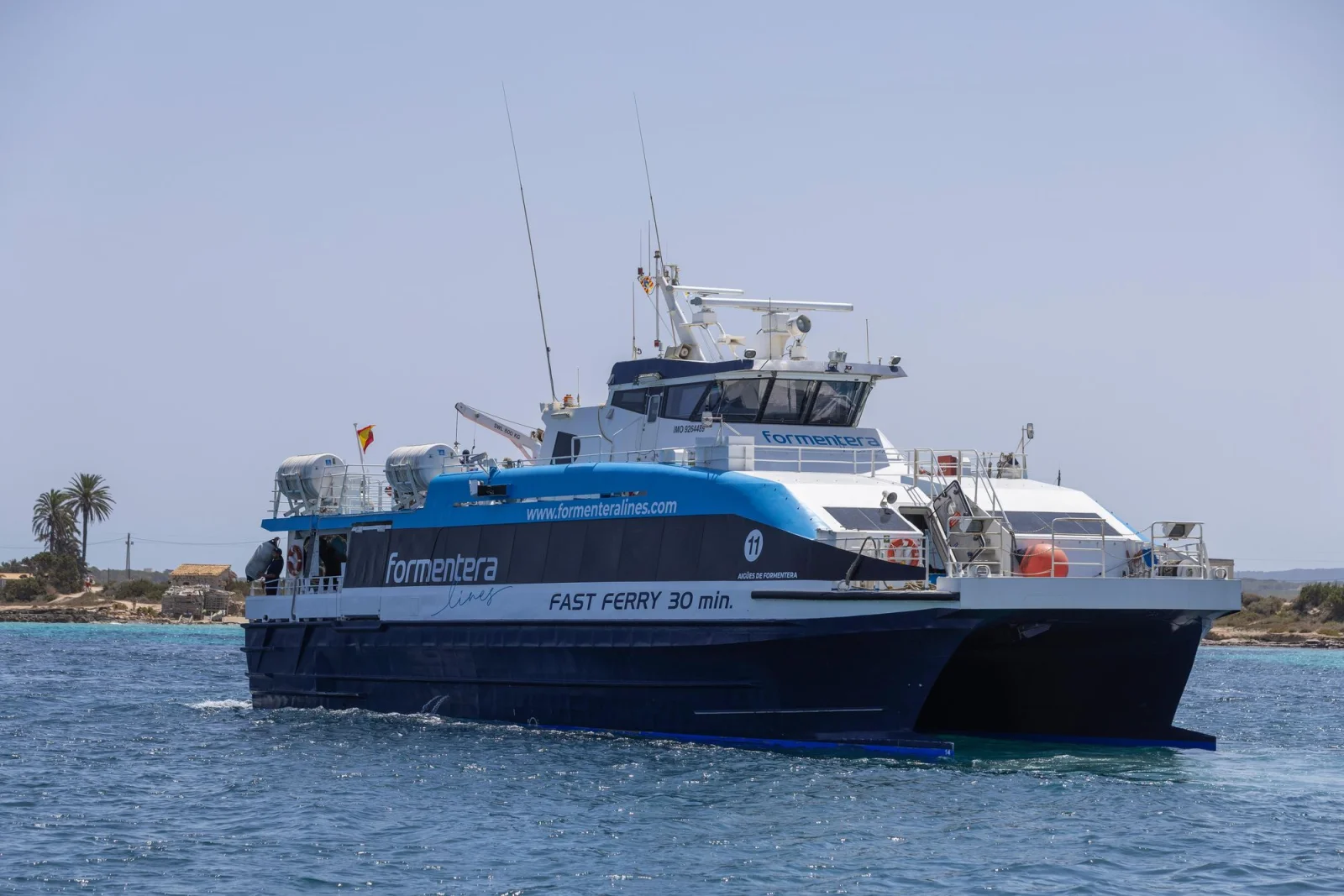
Many people combine both: Formentera is 30 minutes by ferry from Eivissa port. Ibiza for variety (clubs, coves, culture, restaurants), Formentera for total calm and the clearest water.
To continue, our complete Ibiza to Formentera ferry guide covers timetables, fares and companies, and the Formentera travel guide takes over for the smaller island.
Frequently asked questions
FAQ: travelling to Ibiza
When is the best time to go to Ibiza?
May to June and September to October are the best balance: the sea is still warm enough to swim, the weather mild, and prices and crowds more reasonable than in peak summer. July and August bring the party atmosphere and every opening, but also the highest prices and packed beaches.
Can you visit Ibiza without partying?
Absolutely. The island has a UNESCO-listed old town, nearly 80 coves, hippie markets, rural countryside around Sant Joan and Santa Agnès, and a rich local cuisine. The north is particularly quiet, even in high season.
How many days do you need in Ibiza?
Allow 4 to 5 days for a good overview (coves, the old town, a few trips), 7 days to take your time and include a day trip to Formentera. With less than 3 days, focus on one area.
Do you need to hire a car in Ibiza?
To explore the coves and the countryside, yes, it is far more practical. In high season, book well ahead and plan for parking, which is often full near the best-known beaches. For a stay in a single resort with nights out at the clubs, buses and taxis can be enough.
Also worth reading
