
Travel guide, Balearic Islands
Formentera The complete 2026 travel guide
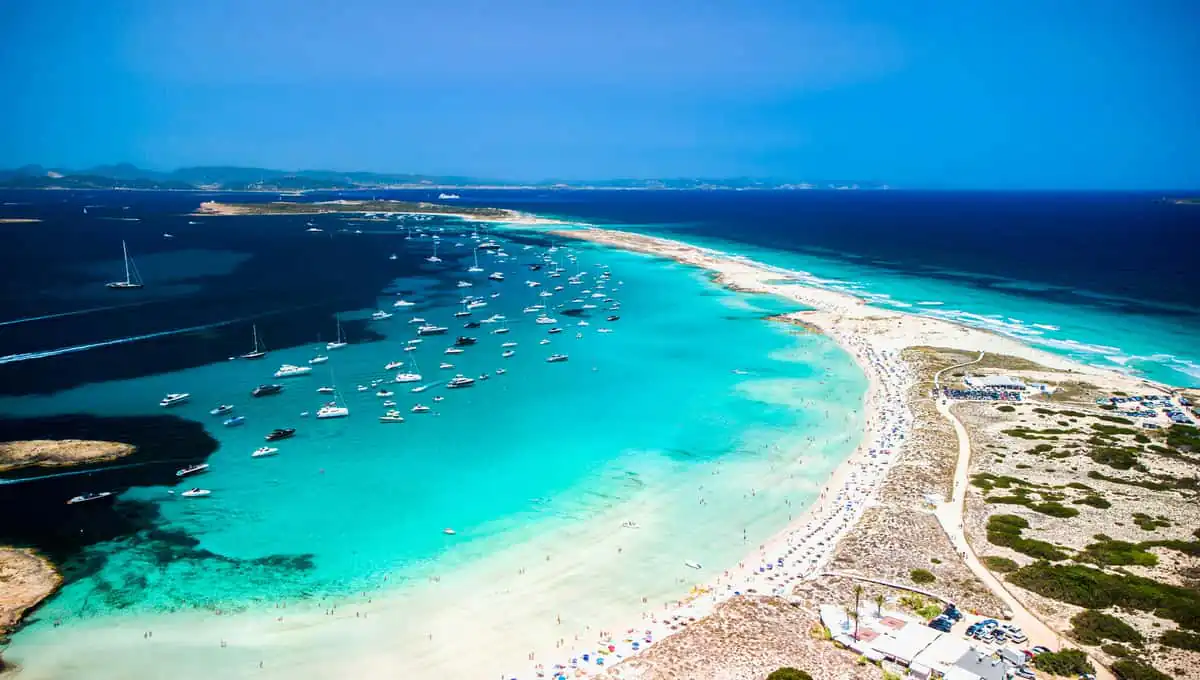
Formentera is 19 km long, covers 83 km² and has 12,000 residents: the smallest inhabited Balearic island has the clearest water in the western Mediterranean (visibility of 25 m+ at Ses Illetes, Posidonia readings 2024). This guide covers everything you need to plan a trip, from the ferry from Ibiza to the last beach bar still open in October.
19 km
north to south
83 km²
in area
12,000
residents
30 min
by ferry from Ibiza
You are probably here because you have heard about this island, or because someone came back with photos that look like nowhere else. Before you book, take ten minutes: Formentera has its own rules, and understanding them shapes everything else, from when you go to which village and how you get around.
- Why go
- Planning
- When to go
- Getting there
- Where to stay
- Getting around
- Things to do
- Beaches
- Budget
- How many days
- Formentera or Ibiza
- Food
- Markets
- Tips
- FAQ
The island at a glance
Why visit Formentera?
Formentera is a mood. These are the things that explain why people who come back always come back.
The water, first
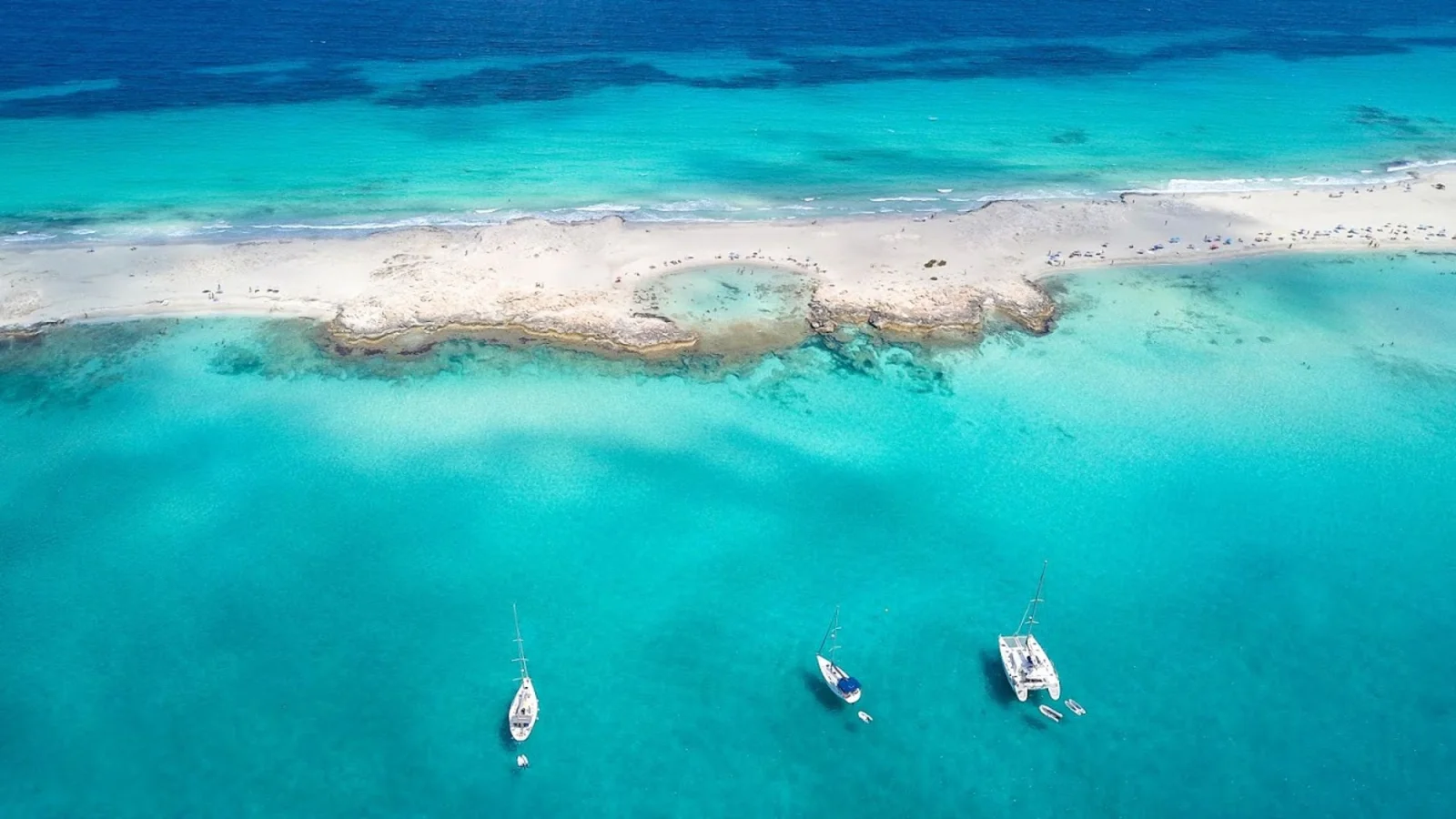
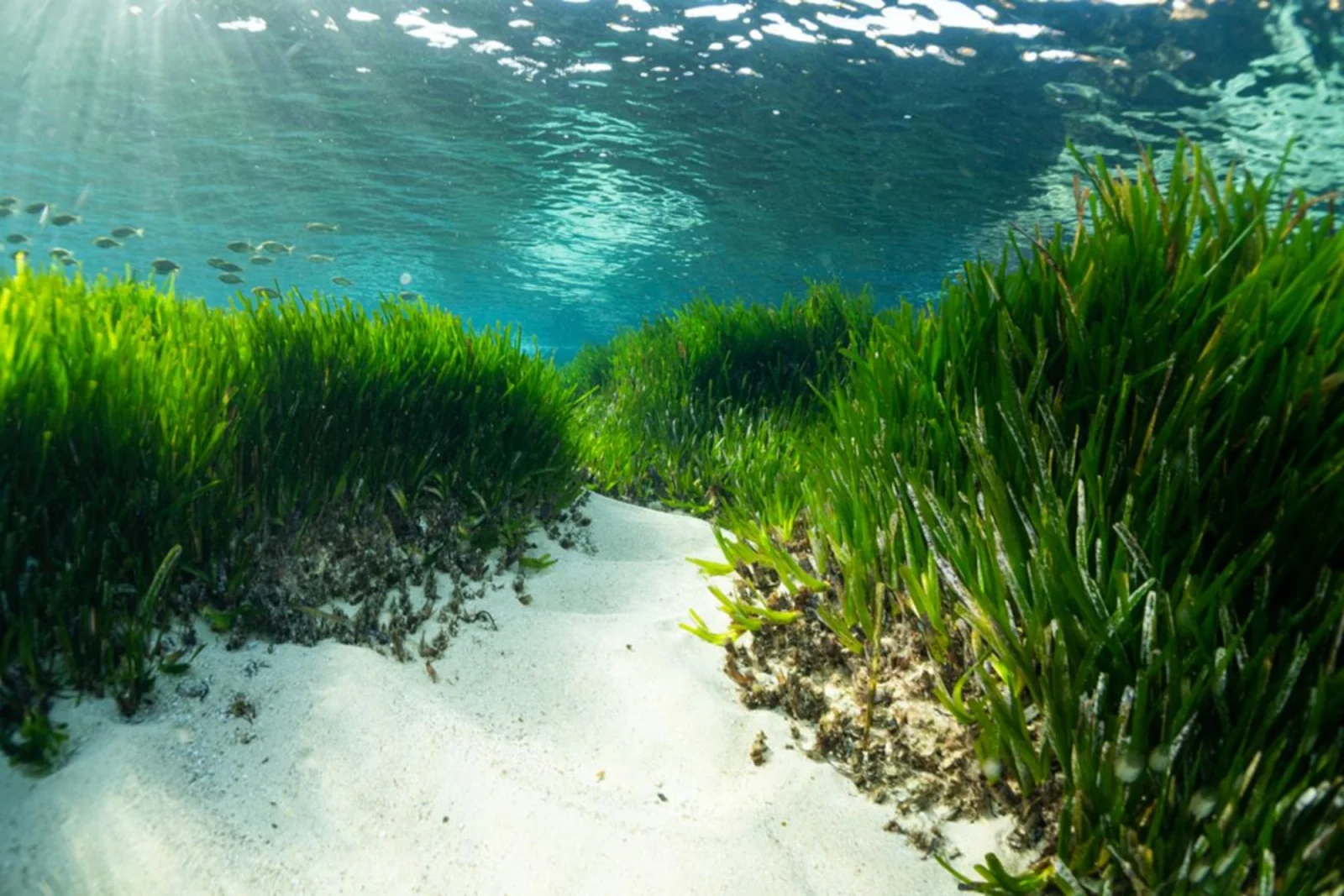
The Posidonia oceanica seagrass meadows carpeting the seabed between Ibiza and Formentera have been a UNESCO World Heritage Site since 1999. They filter the water and give it its turquoise clarity, with 25 m of visibility at Ses Illetes. Ses Illetes, Llevant and Migjorn are among the best-rated beaches in Europe in independent rankings (Tripadvisor Travellers’ Choice 2024).
An unspoilt landscape, next
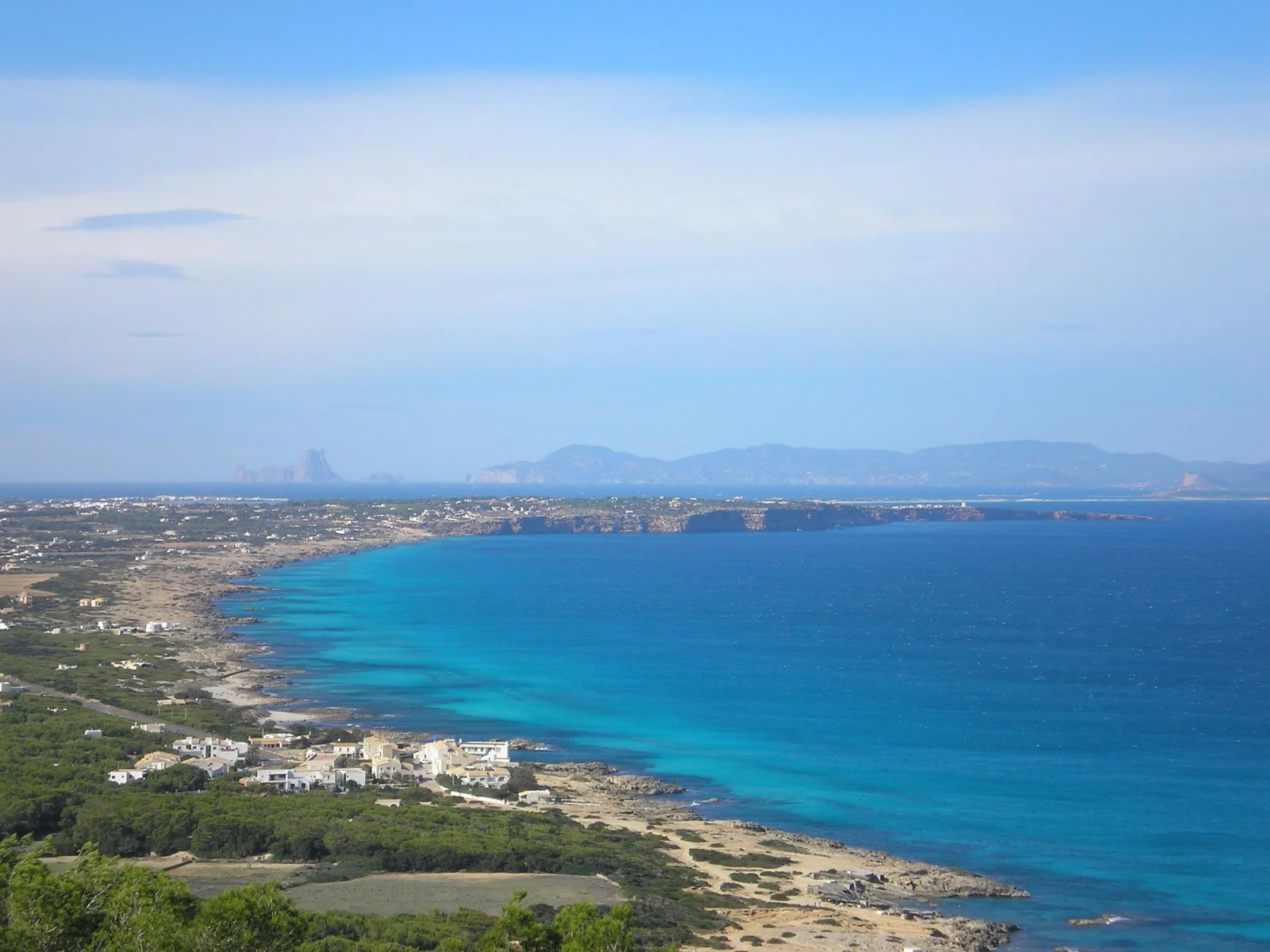
Since 2019 the Consell de Formentera has applied a strict moratorium on new tourist buildings. Across the island, buildings are capped at three storeys. The view from La Mola lighthouse is more or less the one you would have seen in the 1980s.
Human scale, finally
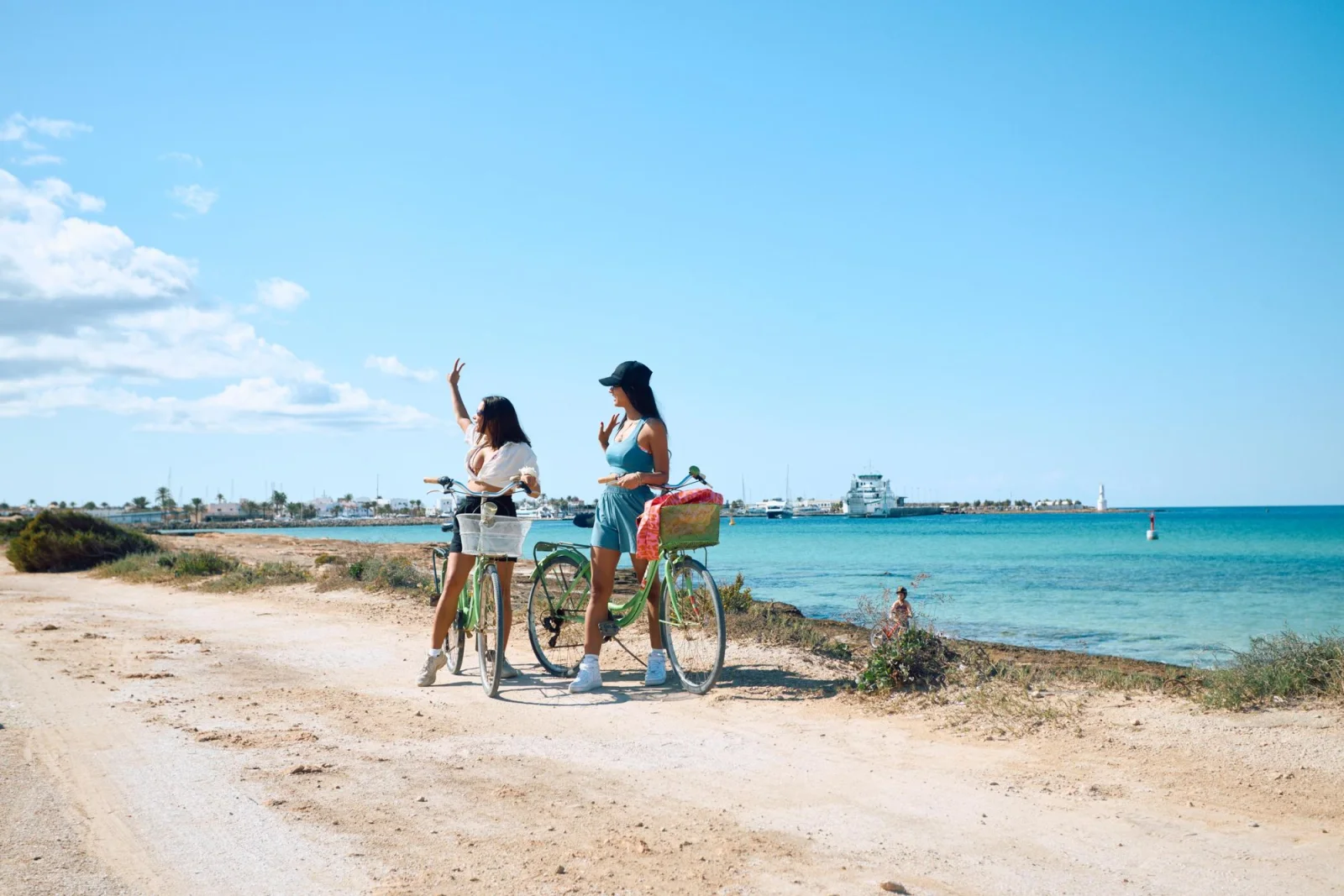
19 km from north (La Savina) to south (La Mola lighthouse). You can cross the island by scooter in 35 minutes, on one main road, a few white tracks and miles of cycle paths. In high season the number of vehicles allowed on the island is capped, which keeps the roads quiet.
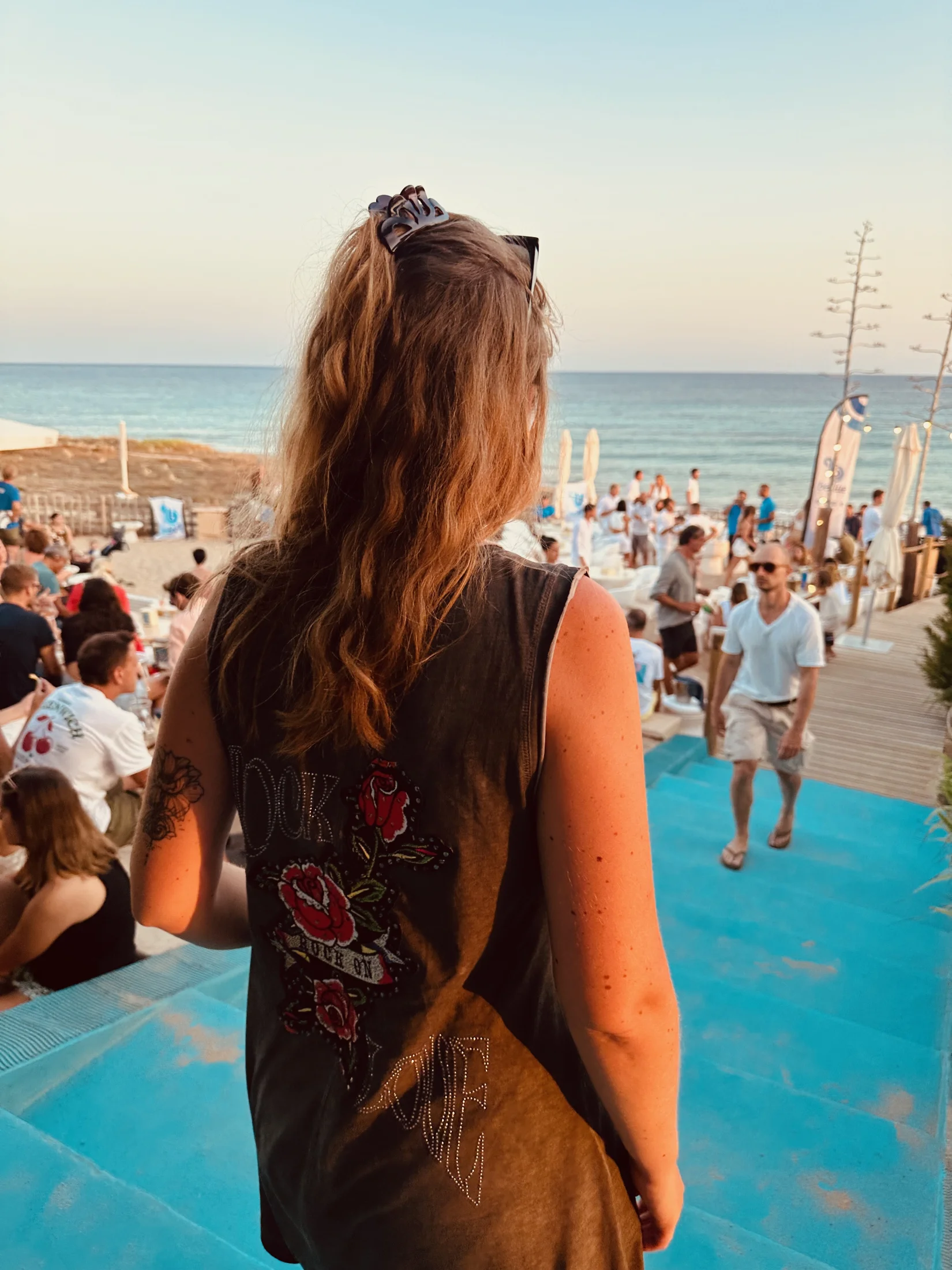
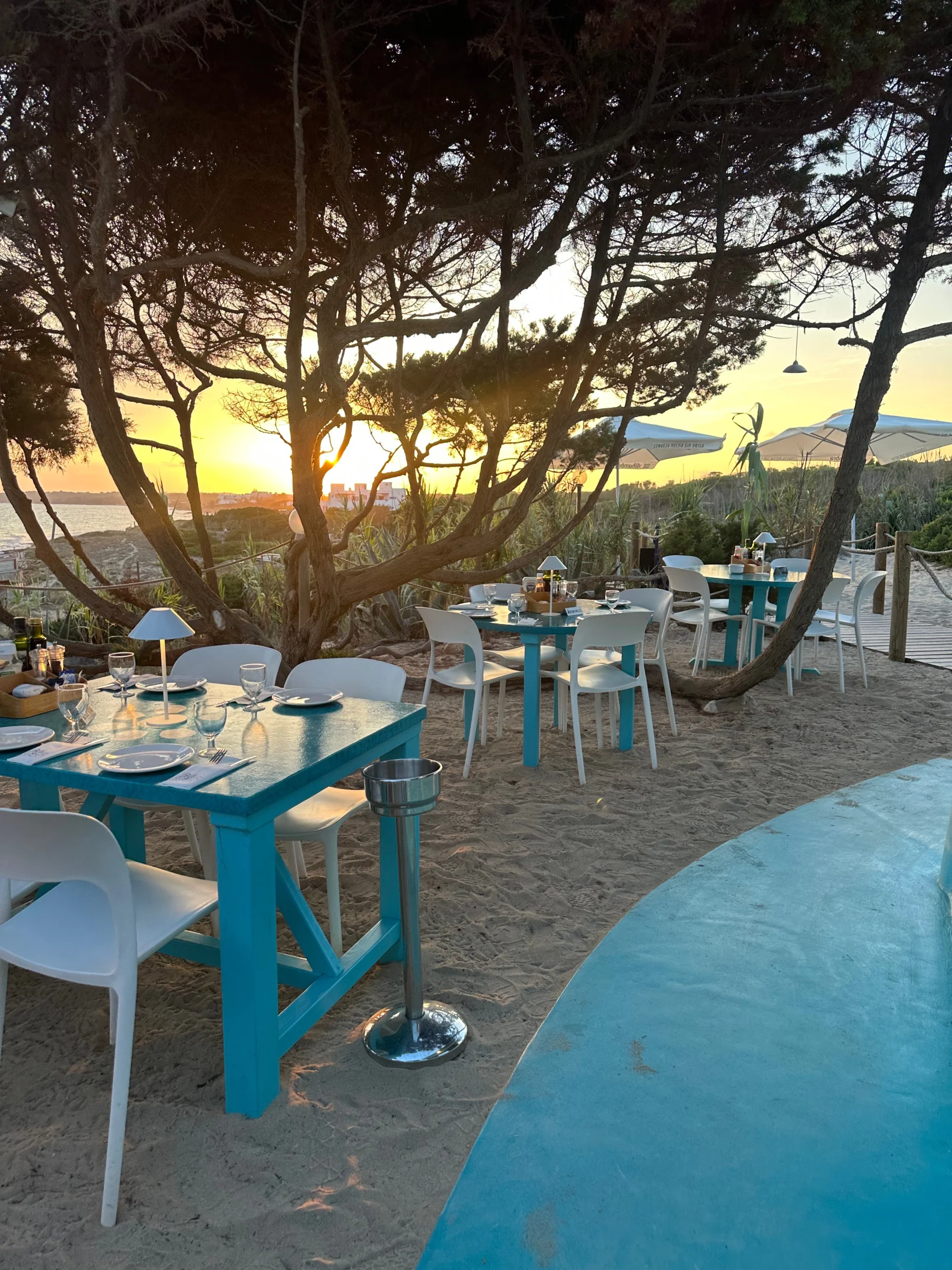
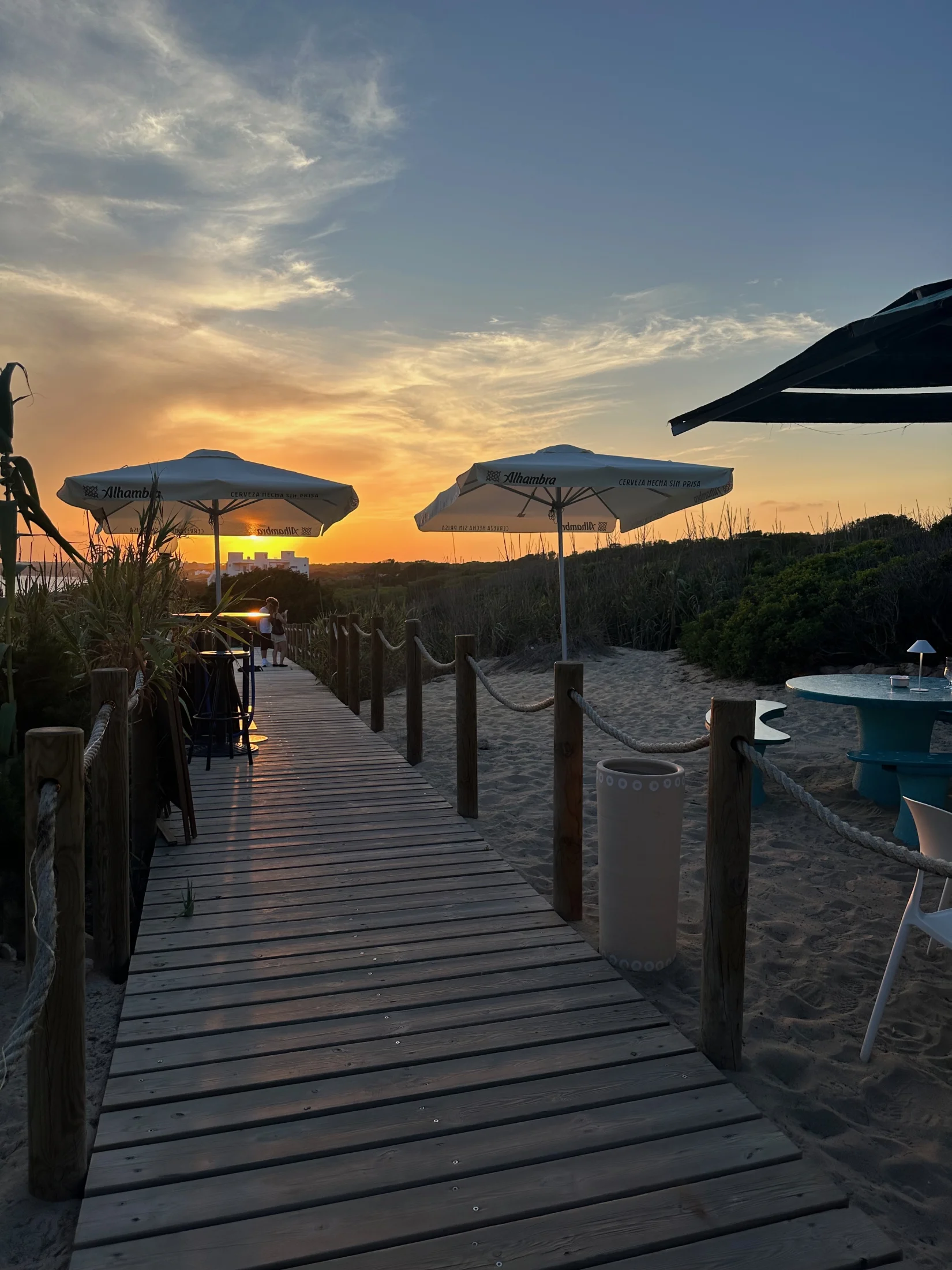
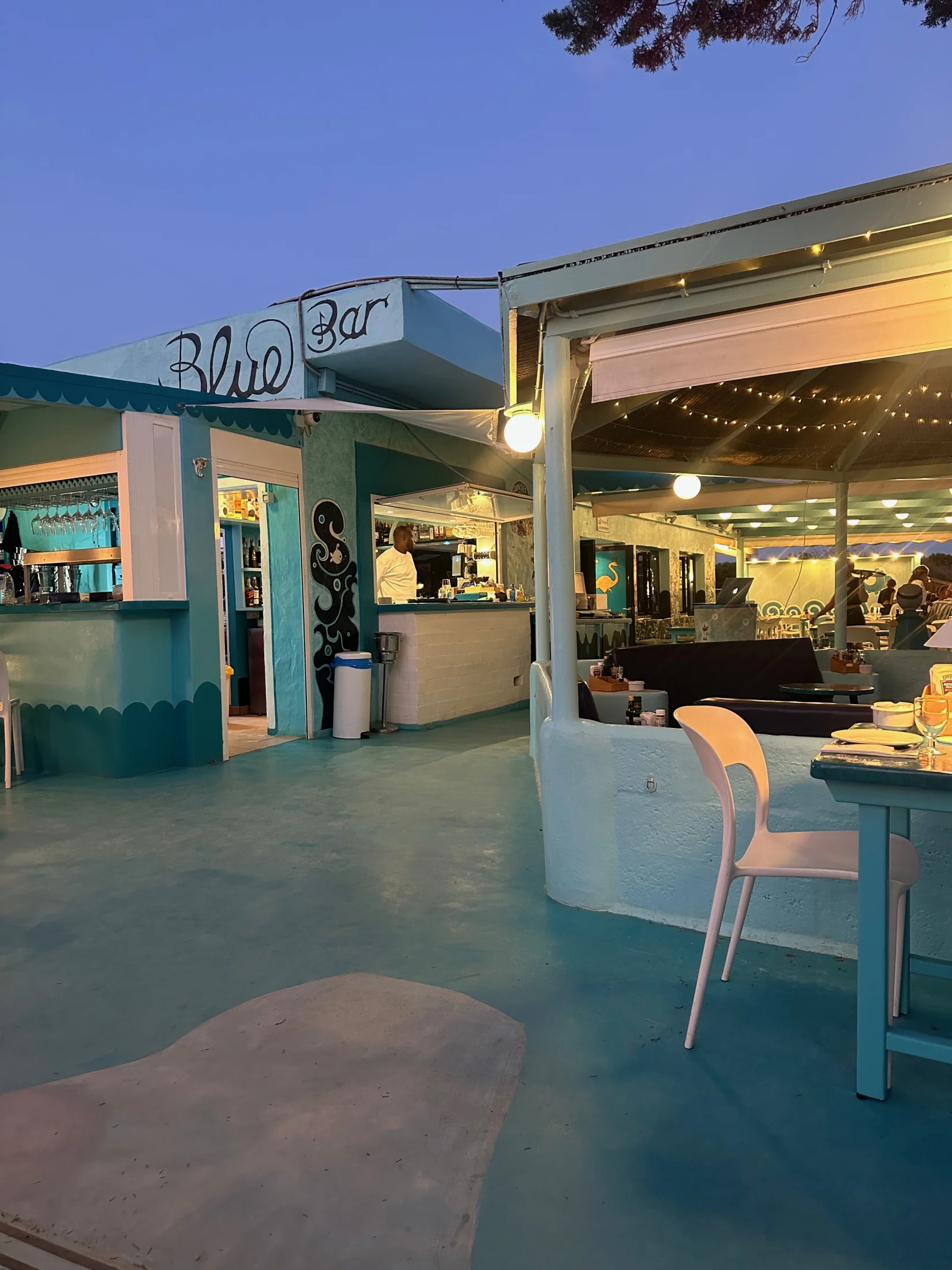
When it comes to evenings, Formentera runs on sunset time. The beach bars come alive at sundown: Beso Beach, Piratabus, Es Ministre, and the Blue Bar, the hippie institution on Migjorn beach with its turquoise terrace and starry ceiling. After that, the island goes to bed early. For clubs, the last ferry takes you back to Ibiza.
Before you go
Planning your trip to Formentera
Most of it happens before you leave. The only way to reach Formentera is by ferry from Ibiza, and in high season it is worth booking early. Add the flight to Ibiza, the weather for your dates and a budget to plan, and you have the four essentials to sort first.
- Ferry Ibiza to Formentera (30 min, book ahead)
- Flights to Ibiza at the best price
- Weather and the best time for what you want
- Budget and pre-trip checklist

Getting around Ibiza and Formentera: car, scooter, bus or bike?
How to get around Ibiza and Formentera: car hire, scooter, bus, bike, taxi. Prices, where to rent and the 2026 rules to…

Posidonia in Ibiza and Formentera: the secret of the turquoise water, under threat
Posidonia, the seagrass behind Ibiza and Formentera's turquoise water: what it does, why it crossed a red line in summer 2025 and…

Best time to visit Ibiza and Formentera: weather, sea temperature and crowds month by month
When to go to Ibiza and Formentera: the month-by-month verdict, air and sea temperatures, and the right window for beaches, parties or…

Where to stay in Ibiza: the best areas for your kind of trip
Where to stay in Ibiza: the areas compared by atmosphere, budget and profile, with hotel ideas and booking tips before summer prices…

Coworking in Ibiza: the 7 spaces open to visitors, prices and tips
The 7 coworking spaces in Ibiza open to visitors, checked one by one in October 2026: prices, hours, access rules and which…
Seasons
When to go to Formentera?
The useful window runs from mid-May to mid-October. Outside it, many places close and the ferry runs less often. Within the window, the fortnight you pick makes all the difference.
| Period | Air / sea temperature | Crowds | Best for |
|---|---|---|---|
| Mid-May to mid-June | 24 °C / 21 °C | Very quiet | Couples, walkers, first visit |
| Mid-June to mid-July | 28 °C / 24 °C | Moderate | The best balance of weather and calm |
| Mid-July to end of August | 31 °C / 26 °C | High to very high | Families tied to school holidays |
| September | 27 °C / 25 °C | Moderate to low | Adults, food, diving |
| October | 22 °C / 22 °C | Very quiet | Walking, photography, slow travel |
The simple rule
If your diary allows, go in the first half of June or the second half of September. Same beaches, water just as warm, hotels 30 to 45% cheaper and restaurants you can book without three weeks’ notice. Month-by-month detail: when to go to Ibiza and Formentera.
Getting there
How to get to Formentera?
You have to go through Ibiza: fly to Ibiza airport, then take the ferry from Ibiza port to La Savina, Formentera’s port. This compulsory sea crossing also protects the island. From the airport to the port, see our guide to Ibiza airport transfers.
Flights from London
Around 2h20
Direct with easyJet, Ryanair, Jet2 and British Airways in season, from the main London airports. Finding a cheap flight.
From Manchester, Bristol, Birmingham
Direct in summer
Around 2h30. Fewer direct options in winter, often via Barcelona or Madrid.
Ibiza to Formentera ferry
€50 to €65
Foot passenger return in season. Four companies (Baleària, Trasmapi, Formentera Lines, Aquabus), 30 minutes to 1 hour crossing.
With a car
€220 to €320
Return in season, book from February for July and August. Hire cars from Ibiza are not allowed.
Timetables, companies and tips: the complete Ibiza to Formentera ferry guide.
Accommodation
Where to stay in Formentera?
Accommodation is deliberately limited (around 22,000 tourist beds, capped by law). Five areas share most of the hotels, each with its own character (detailed comparison: where to stay in Formentera, which village to choose).
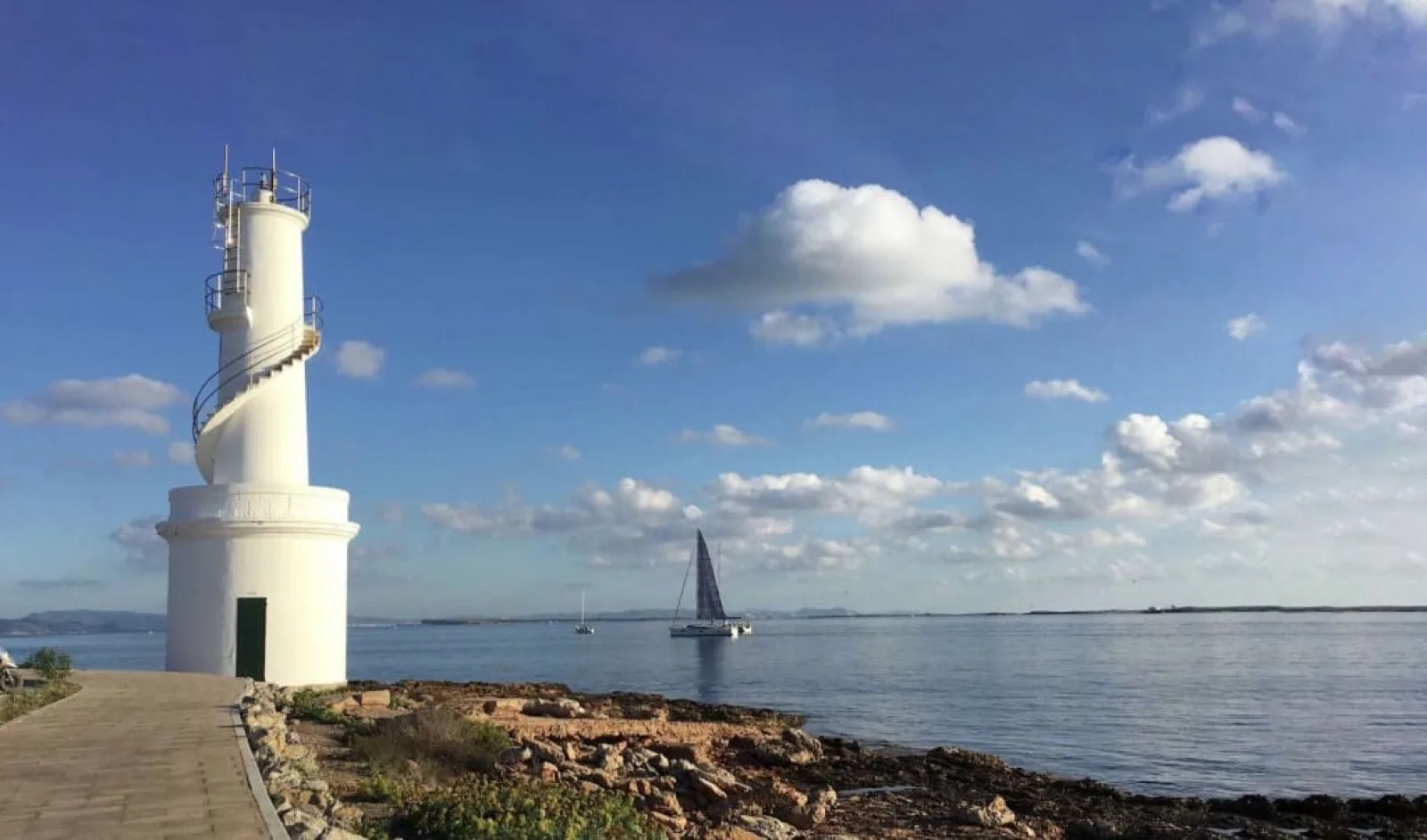
La Savina
Arrival port, handy for short stays, gentle buzz.
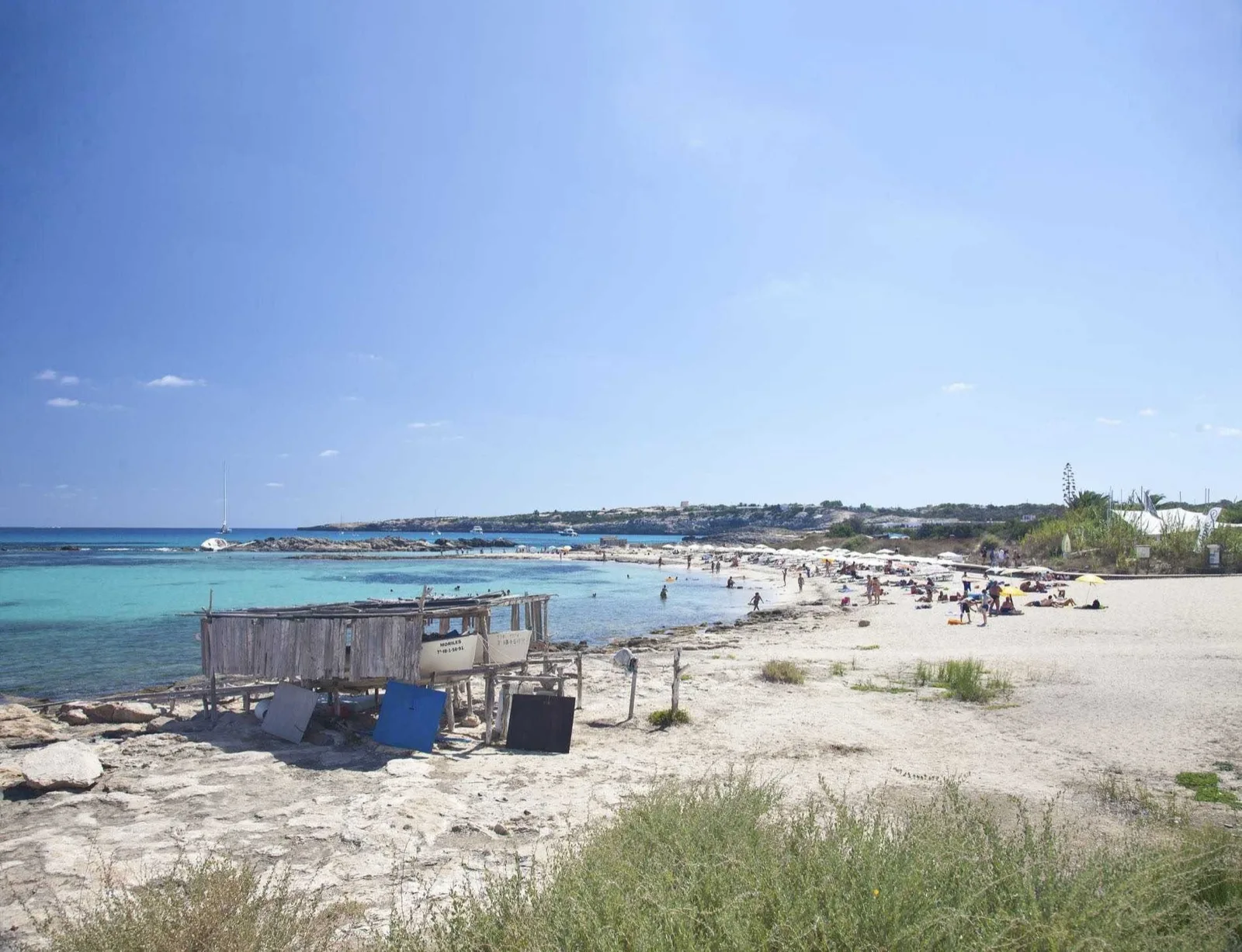
Es Pujols
The island’s only “resort”, restaurants and bars on foot, town beach.
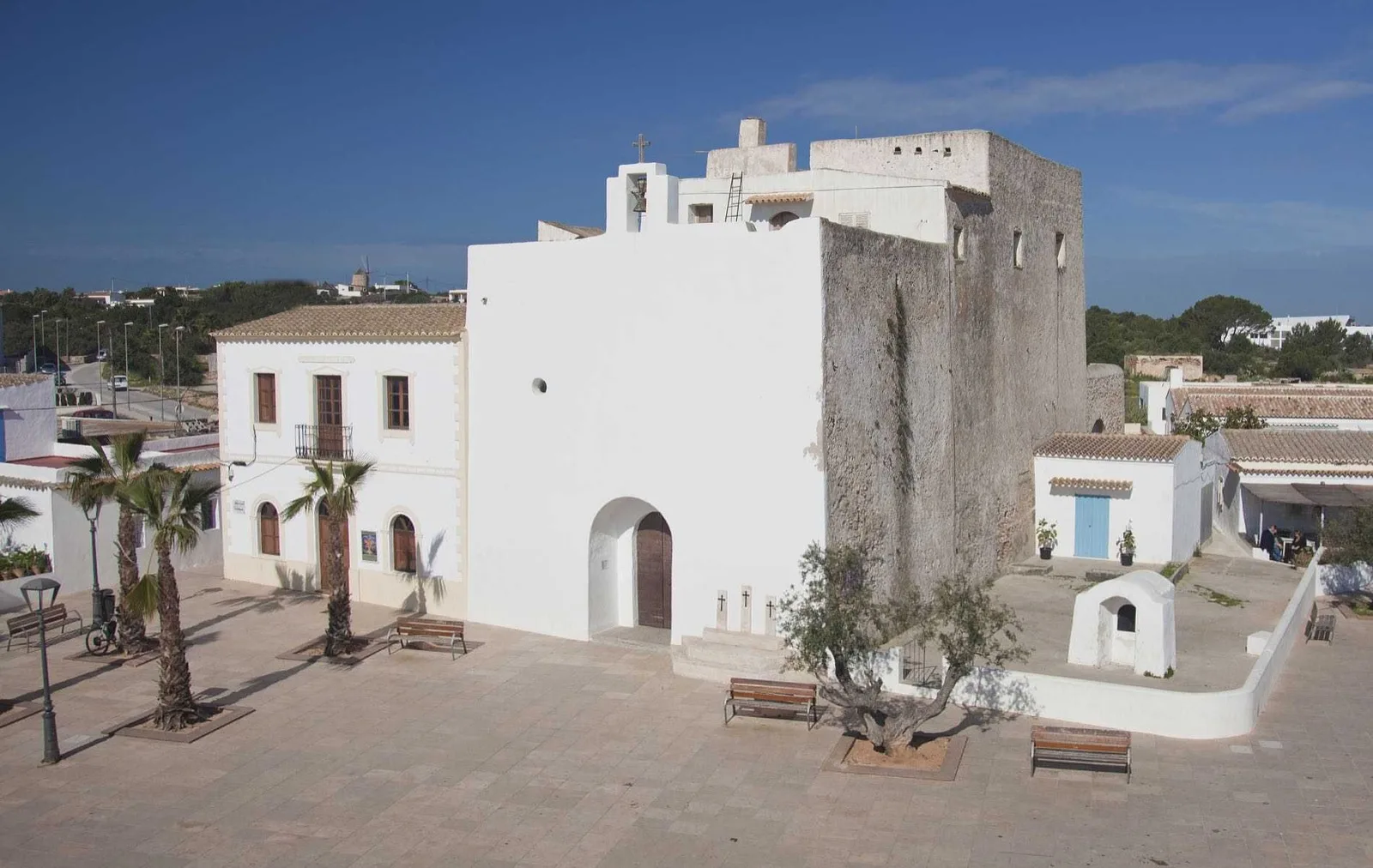
Sant Francesc Xavier
The administrative capital, an authentic inland village.
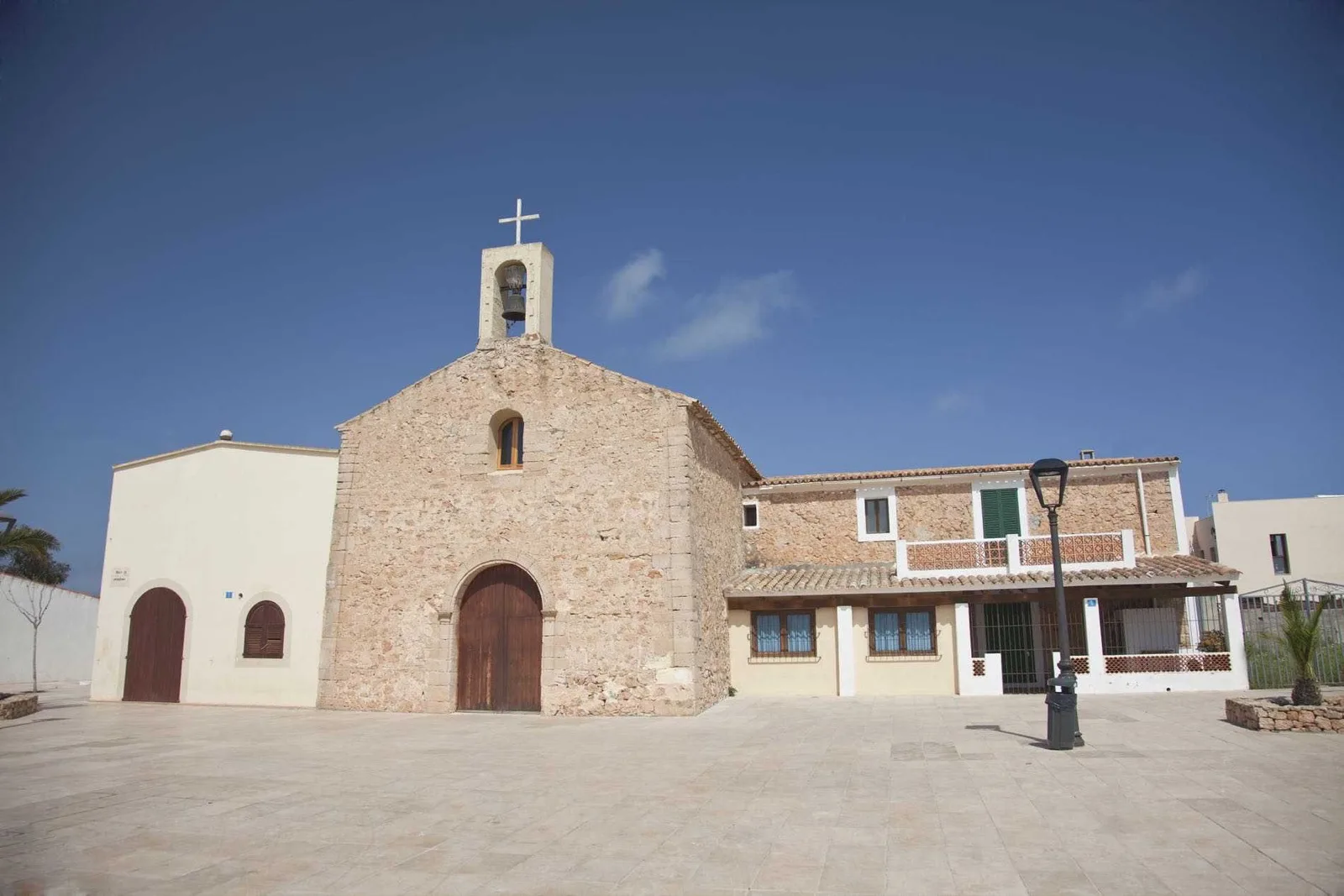
Sant Ferran
Boho-chic village, music bars, 10 minutes from the beaches.
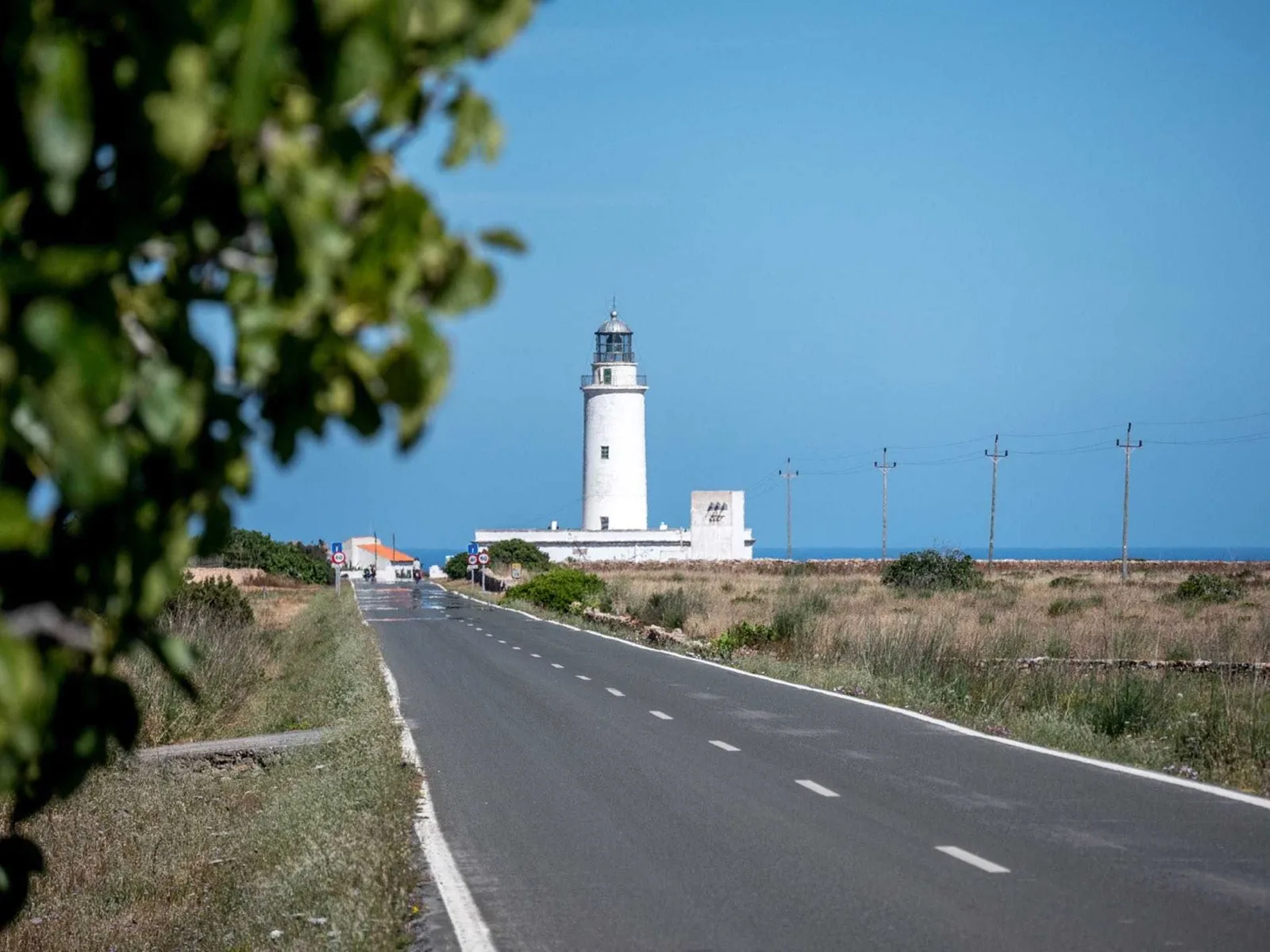
Es Caló / La Mola
The wild east side, ideal for switching off completely.
Village photos: Consell de Formentera (formentera.es).
Book early
About 22,000 beds for the whole island
Book the ferry and your accommodation together as soon as your dates are fixed, ideally three months ahead for June and July.
All our hotel reviews are in the Formentera hotels guide, including our review of Five Flowers, the island’s first five-star hotel. Selections by budget and traveller type:

Luxury hotels in Formentera: our 9 addresses, area by area
The 9 luxury hotels in Formentera, area by area, with starting prices, what sets each one apart and when to book.

Boutique hotels in Formentera: 13 charming addresses for couples
13 boutique hotels in Formentera for 2026, in three moods: feet in the water, spa and wellbeing, or alone in the world.

Where to stay in Formentera: which village for which trip
Formentera's villages compared: atmosphere, beaches on foot, transport needed and price range, to choose where to stay for your kind of trip.

Cheap hotels in Formentera: 15 budget hostals and apartments
15 cheap hotels, hostals and apartments in Formentera, from the cheapest to the most expensive, with locations, prices and tips for a…
On the island
How to get around Formentera?
19 km long and 6 km wide, Formentera is easy to cross by bike, scooter or car. Four options depending on your budget and how much freedom you want.
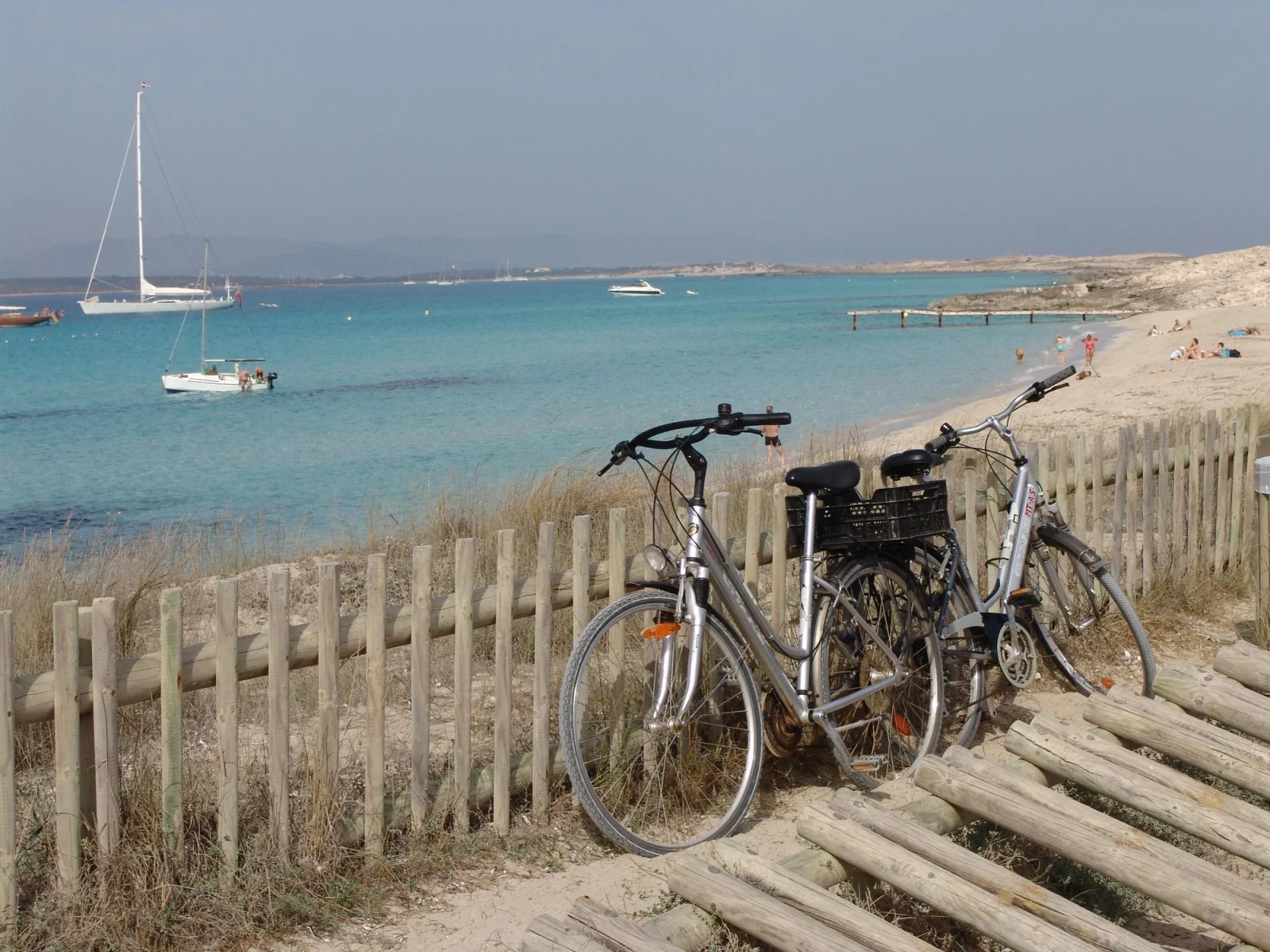
Classic bike
€8 to €12 /day
Enough around Es Pujols or Ses Illetes (32 km of green routes).
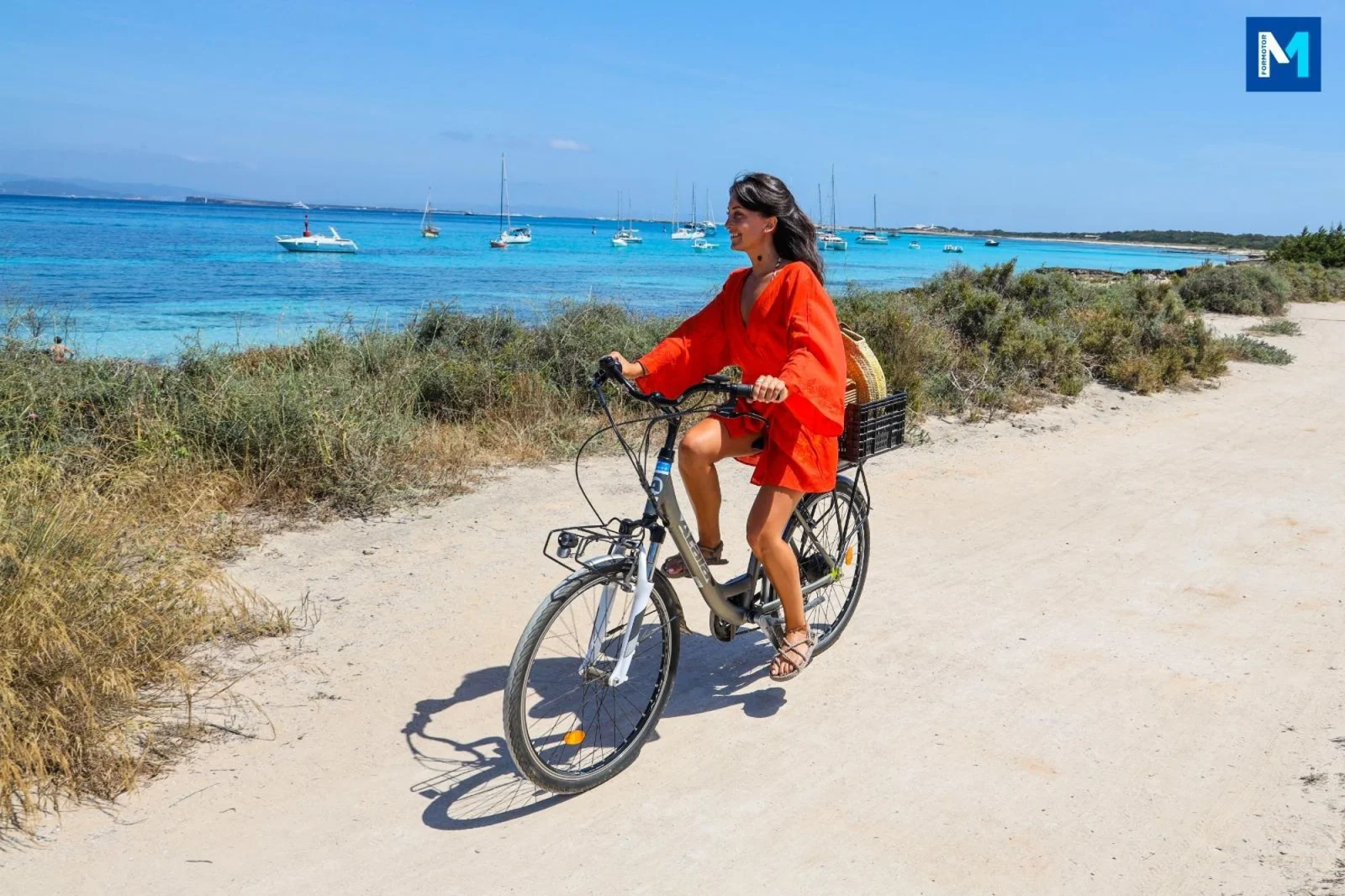
E-bike
€15 to €20 /day
The best compromise for exploring without breaking a sweat.
Our pick
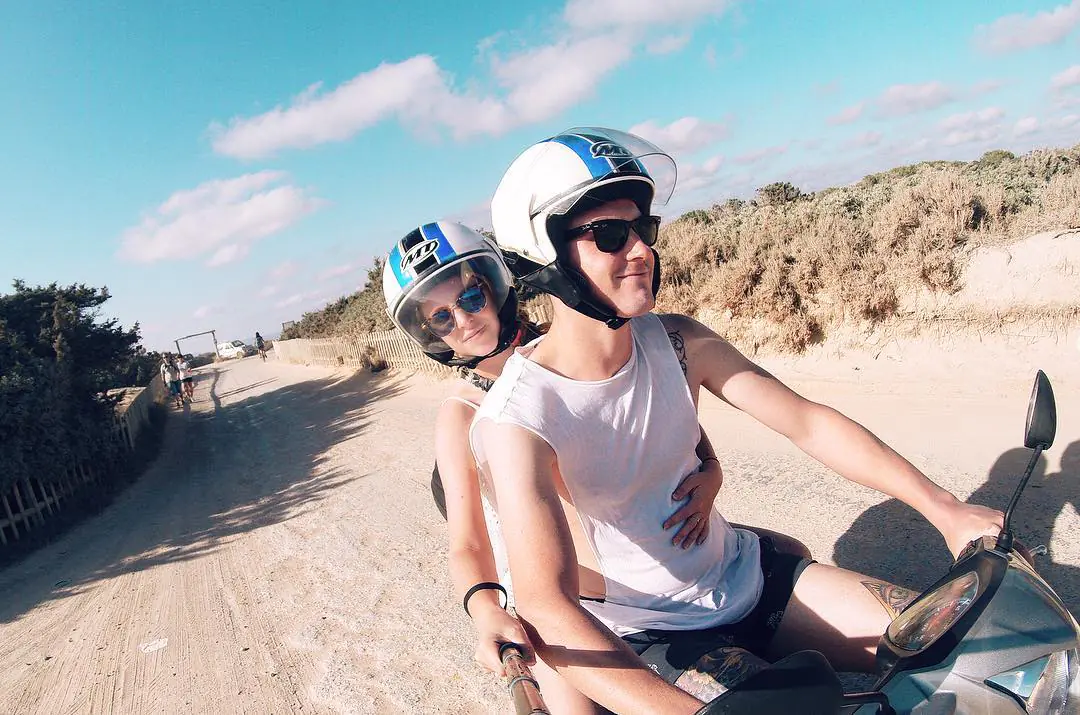
125cc scooter
€22 to €28 /day
Booked online, the best trade-off between price and freedom.
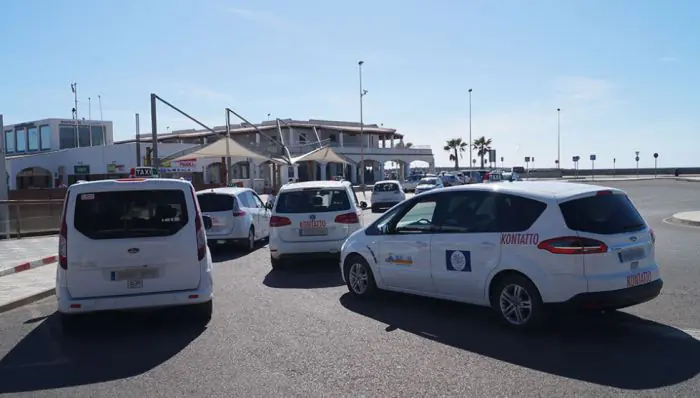
Car
€40 to €60 /day
A small car hired at La Savina port as you step off the ferry. Useful for families, a pain to park in the villages. Hire on arrival.
Which option suits your accommodation and travel style: getting around Ibiza and Formentera.
Activities
Things to do in Formentera
People come to Formentera for days shaped by beaches, lunches facing the sea, scooter rides and sunsets. Here are the essentials:
 Day trip by boatAround Espalmador and S’Espardell (€90 to €130 with lunch). Boat trips compared.
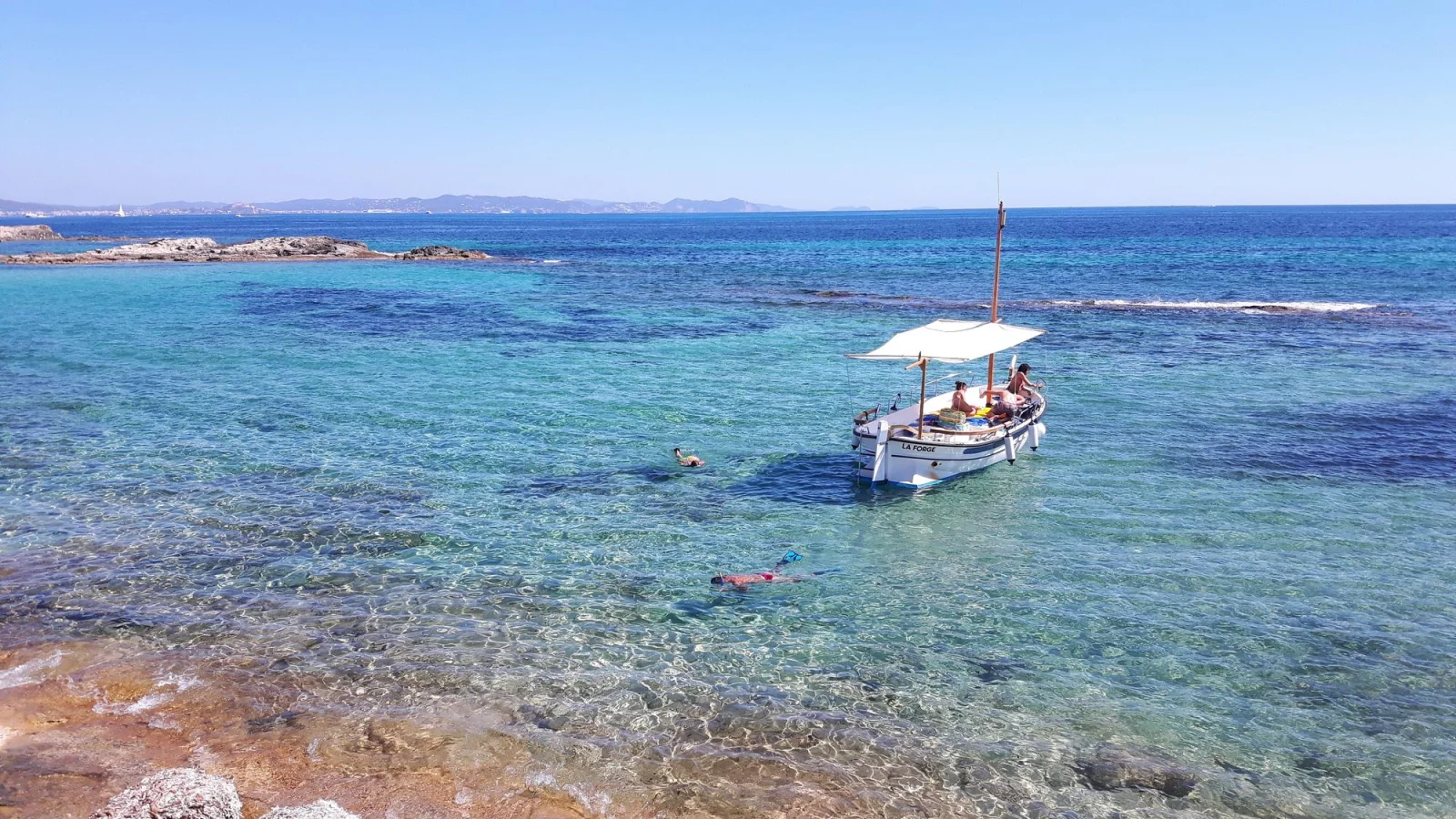
 Snorkelling over the Posidonia meadowsOn the lagoon side of Ses Illetes, in 1 to 2 m of water, above the seagrass meadows.
 La Mola hippie marketWednesday and Sunday evenings (May to October).
- Sunset at Cap de BarbariaWith its lonely lighthouse.
- Try scuba diving€75 to €95, over wrecks and drop-offs off La Savina. See water sports.
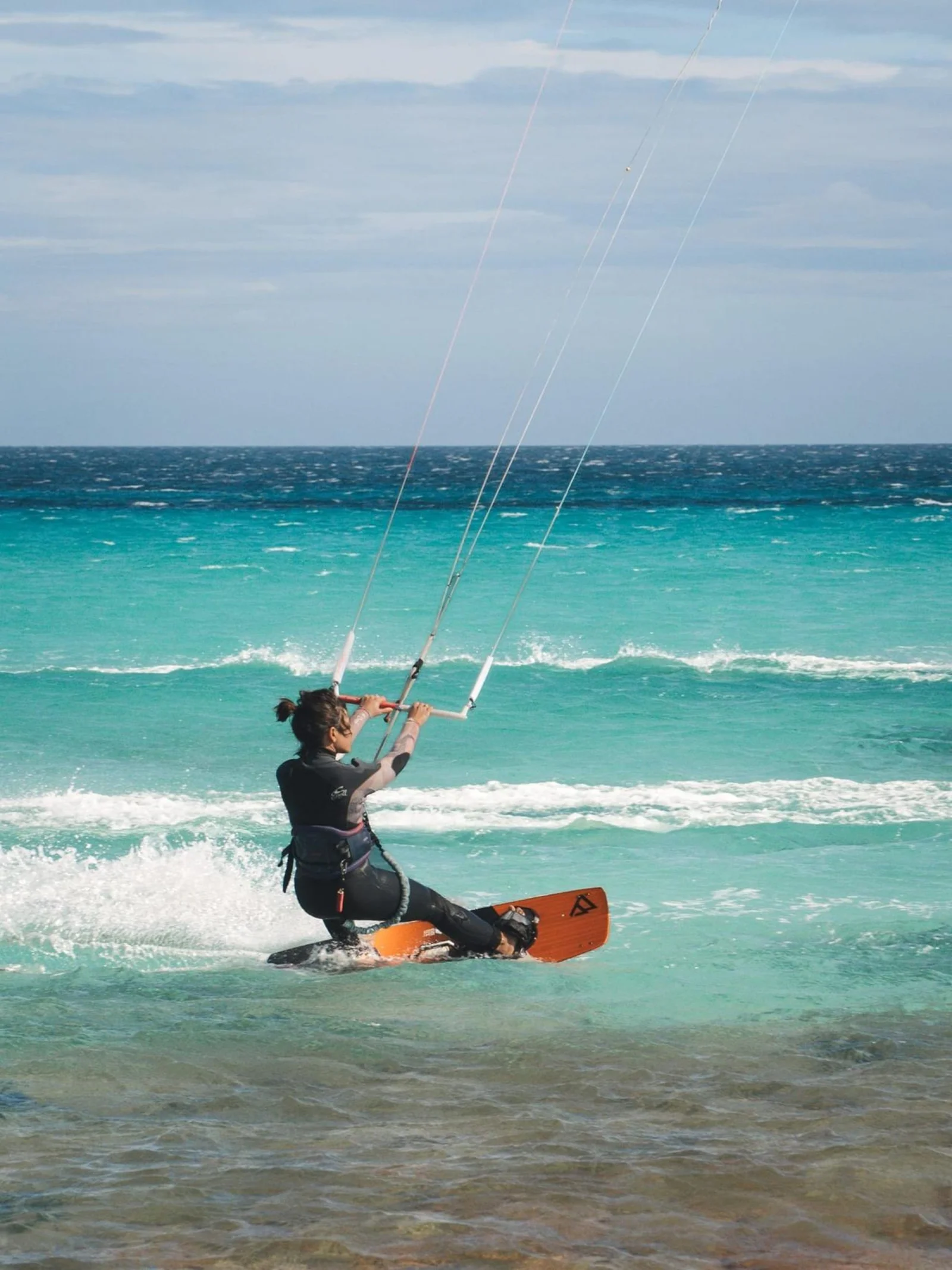
 Kitesurfing at Migjorn or LlevantDepending on the wind, at Migjorn or Llevant.
 Ruta de los Faros walk20 km from La Mola to Barbaria.
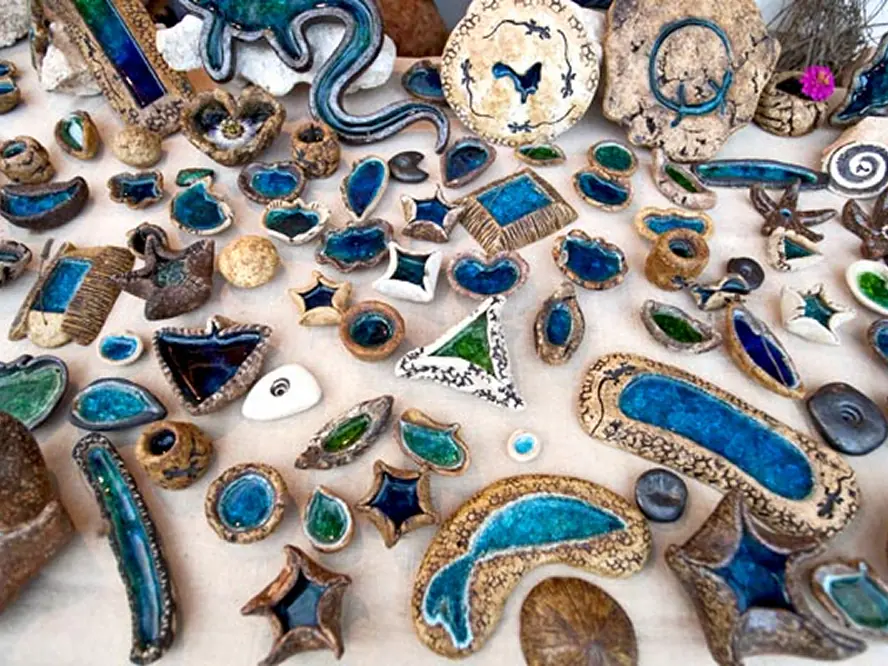 La Mola hippie marketWednesday and Sunday evenings (May to October).
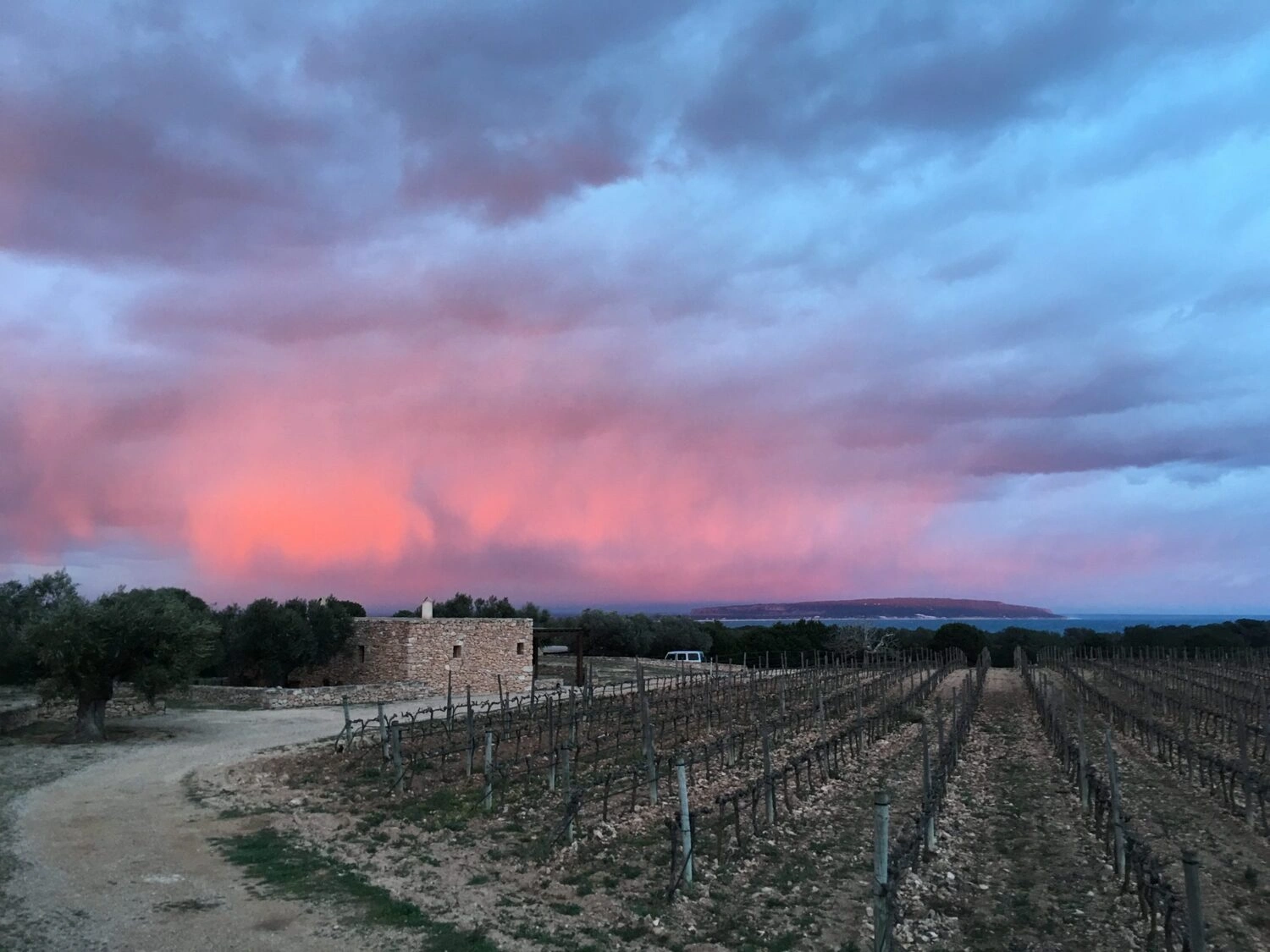 Sunset at Cap de BarbariaWith its lonely lighthouse.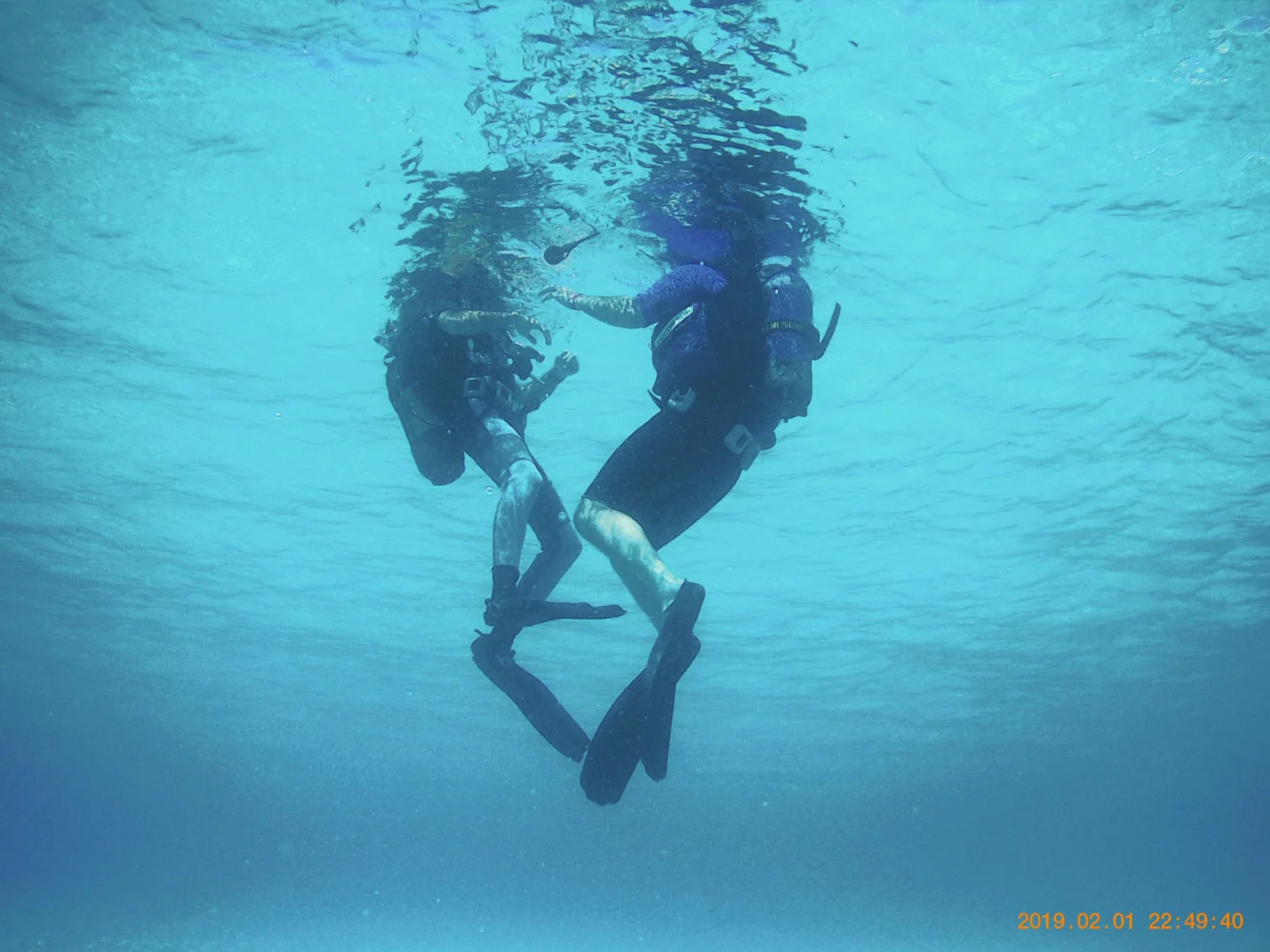
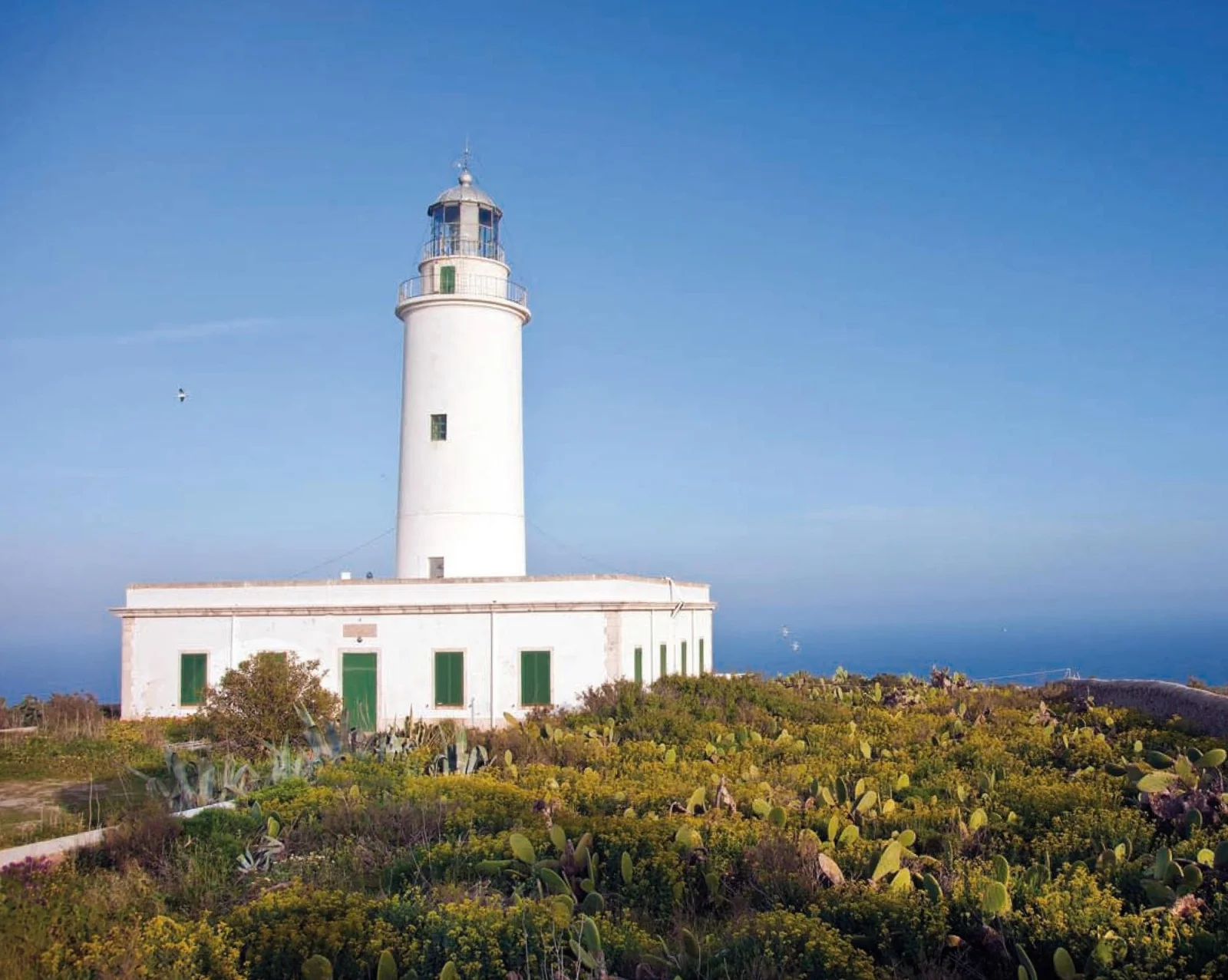 Ruta de los Faros walk20 km from La Mola to Barbaria.
Ibiza to Formentera boat trip: which one to choose?
Day cruise, sailing catamaran or private boat from Ibiza to Formentera: prices, ports, inclusions and the best stops, Espalmador and Ses Illetes.

Unusual things to do in Formentera: 11 original experiences
11 unusual and original experiences in Formentera, from horse rides by the salt flats to nights in an old windmill.
Beaches
The beaches you should not miss
Formentera has around thirty beaches, coves and inlets. Five take most of the visitors; seven more are worth the detour if you want to avoid the crowds.
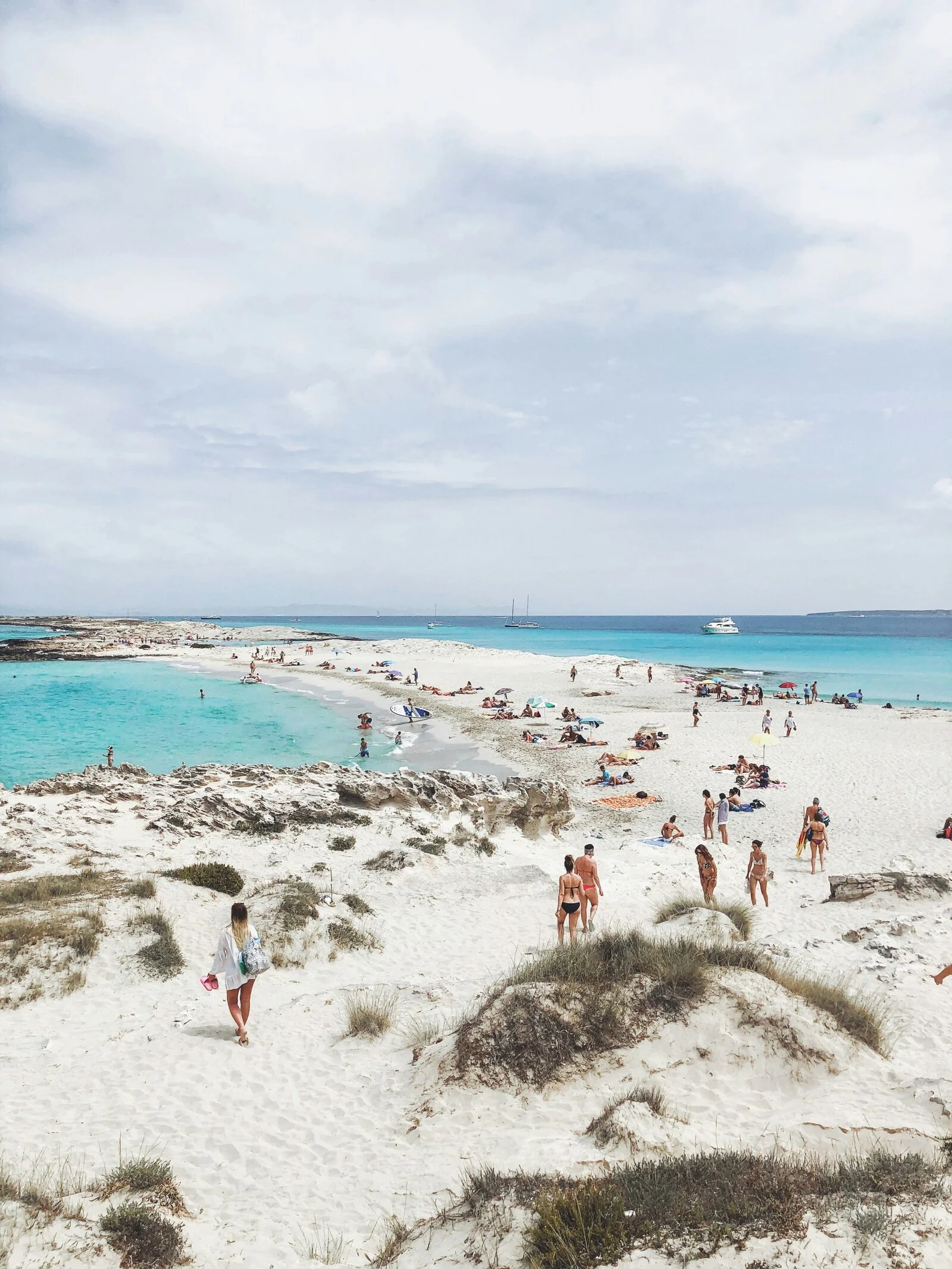
Ses Illetes
The most famous: white sand, see-through water, free access. See our Ses Illetes guide.
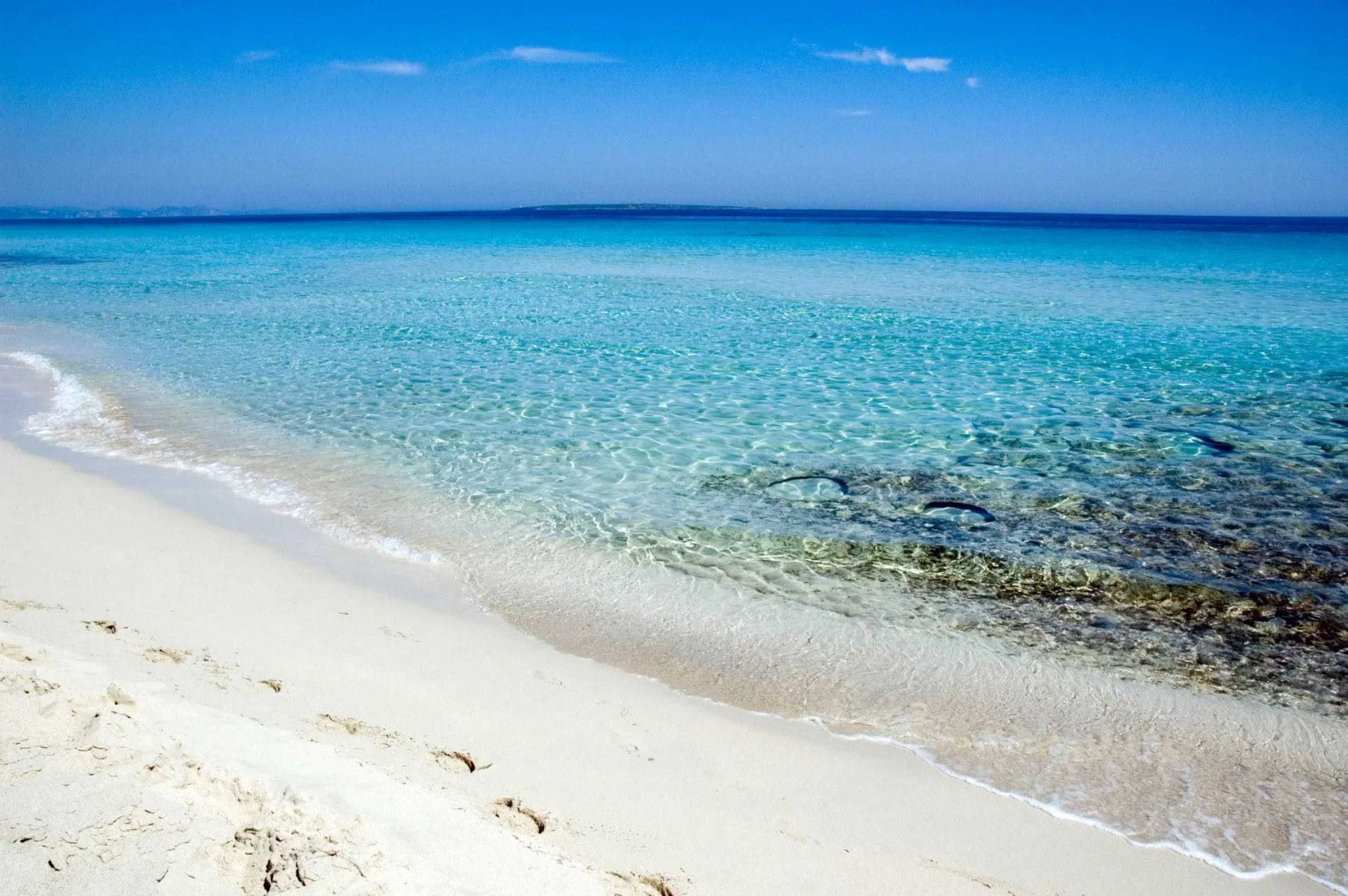
Llevant
Ses Illetes’ “twin” on the east side, often quieter for the same water quality.
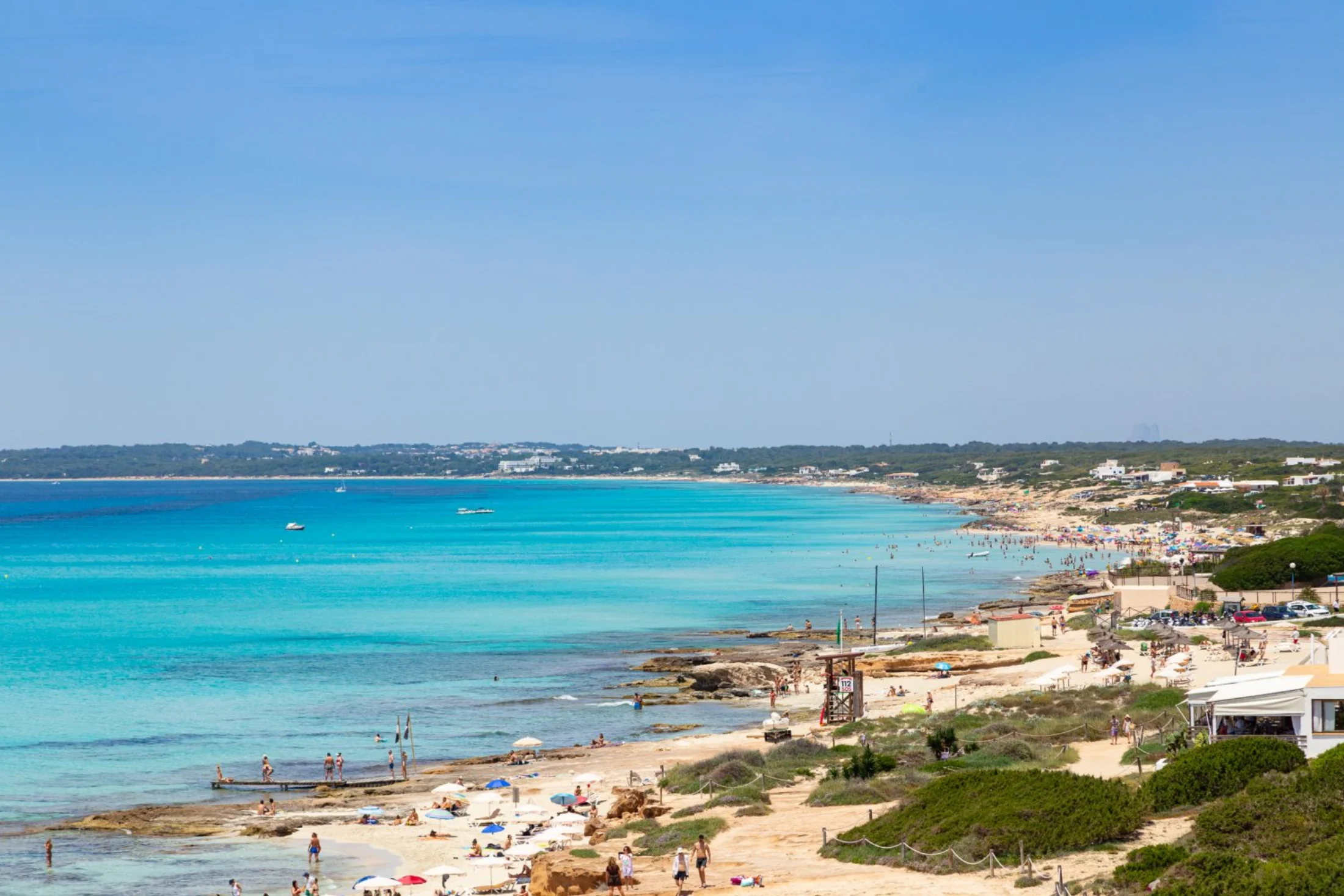
Migjorn
5 km of beach on the south coast, laid-back hippie feel, several beach bars (Piratabus, Es Ministre).
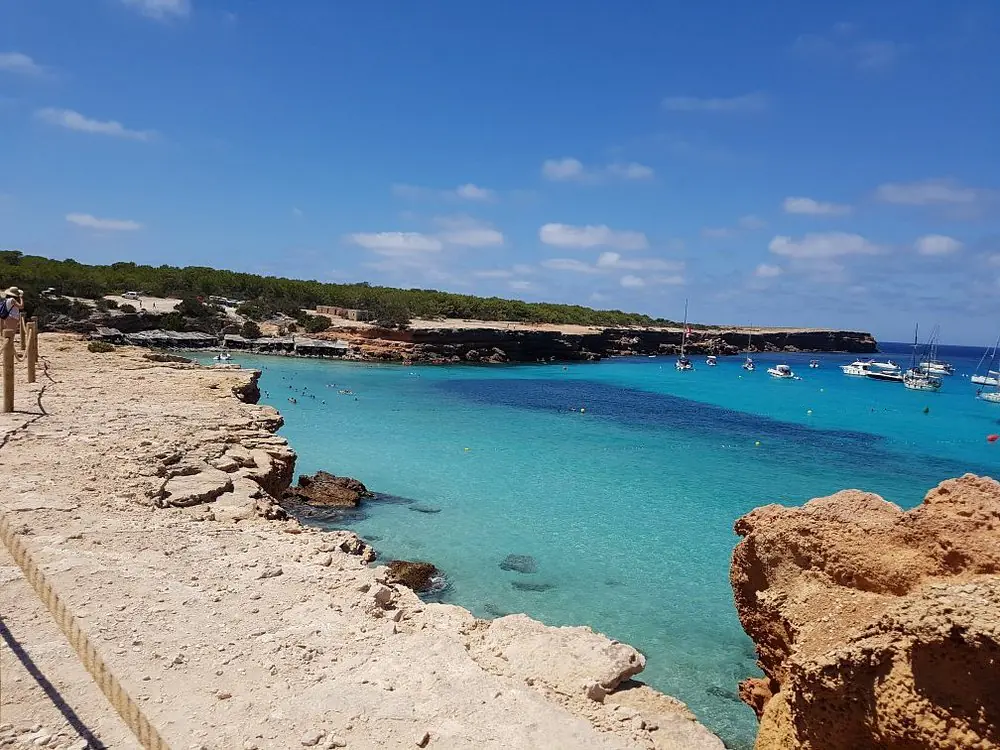
Cala Saona
West-coast cove with reddish cliffs, perfect at sunset.
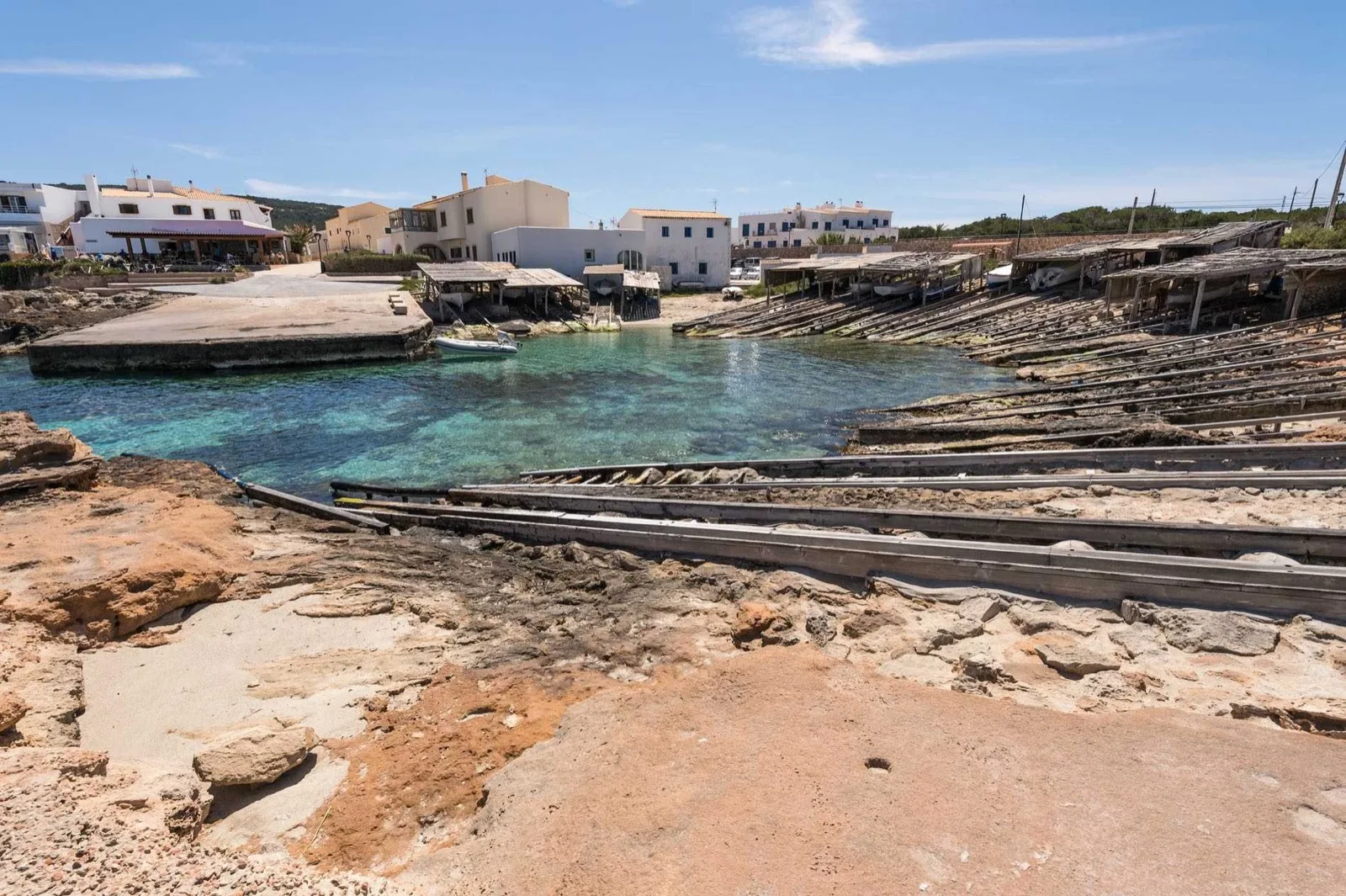
Es Caló de Sant Agustí
Tiny fishing cove, wooden boat sheds, Es Caló restaurant.
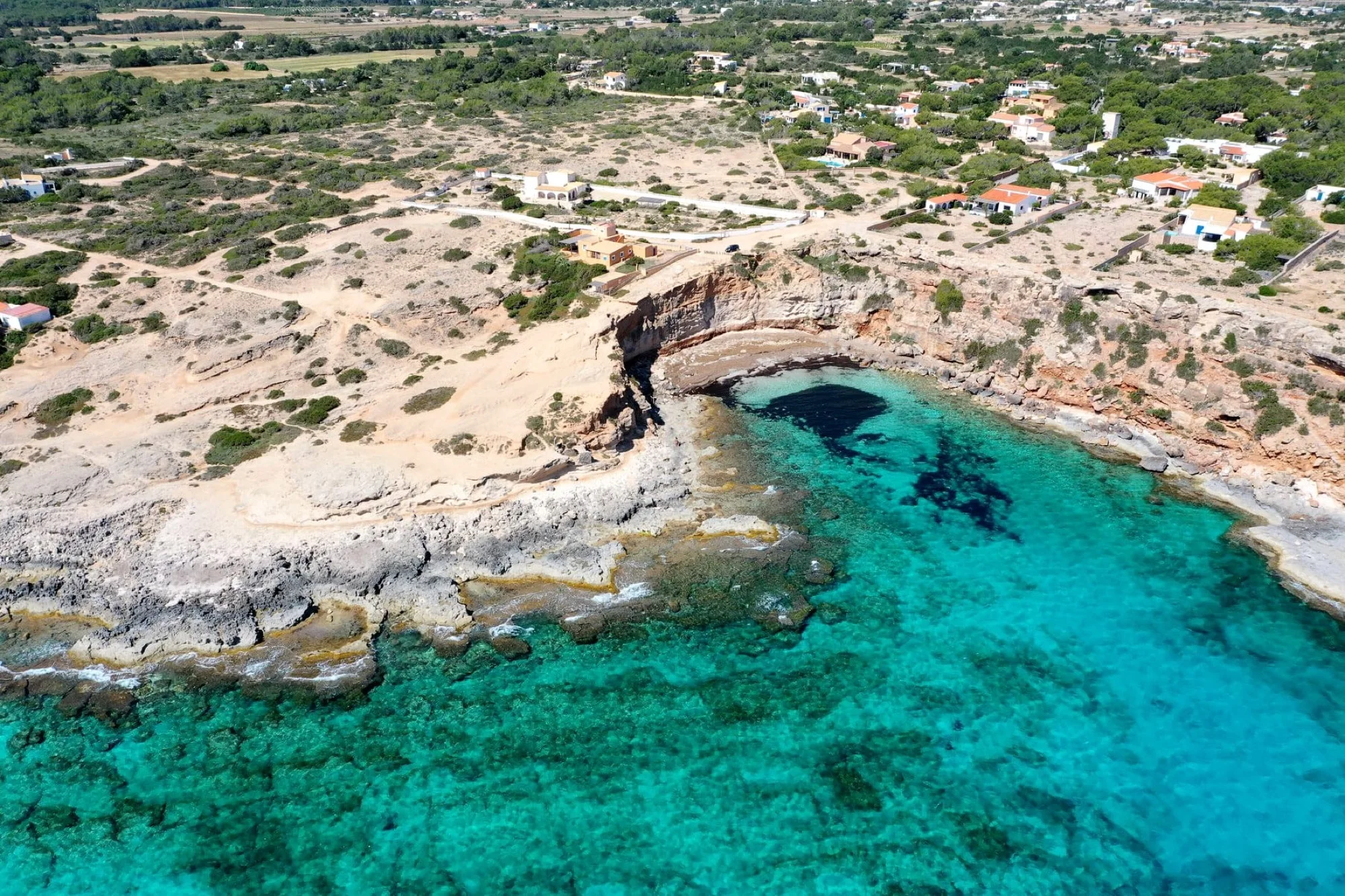
Cala En Baster
Wild cove on the north side, reachable on foot only.
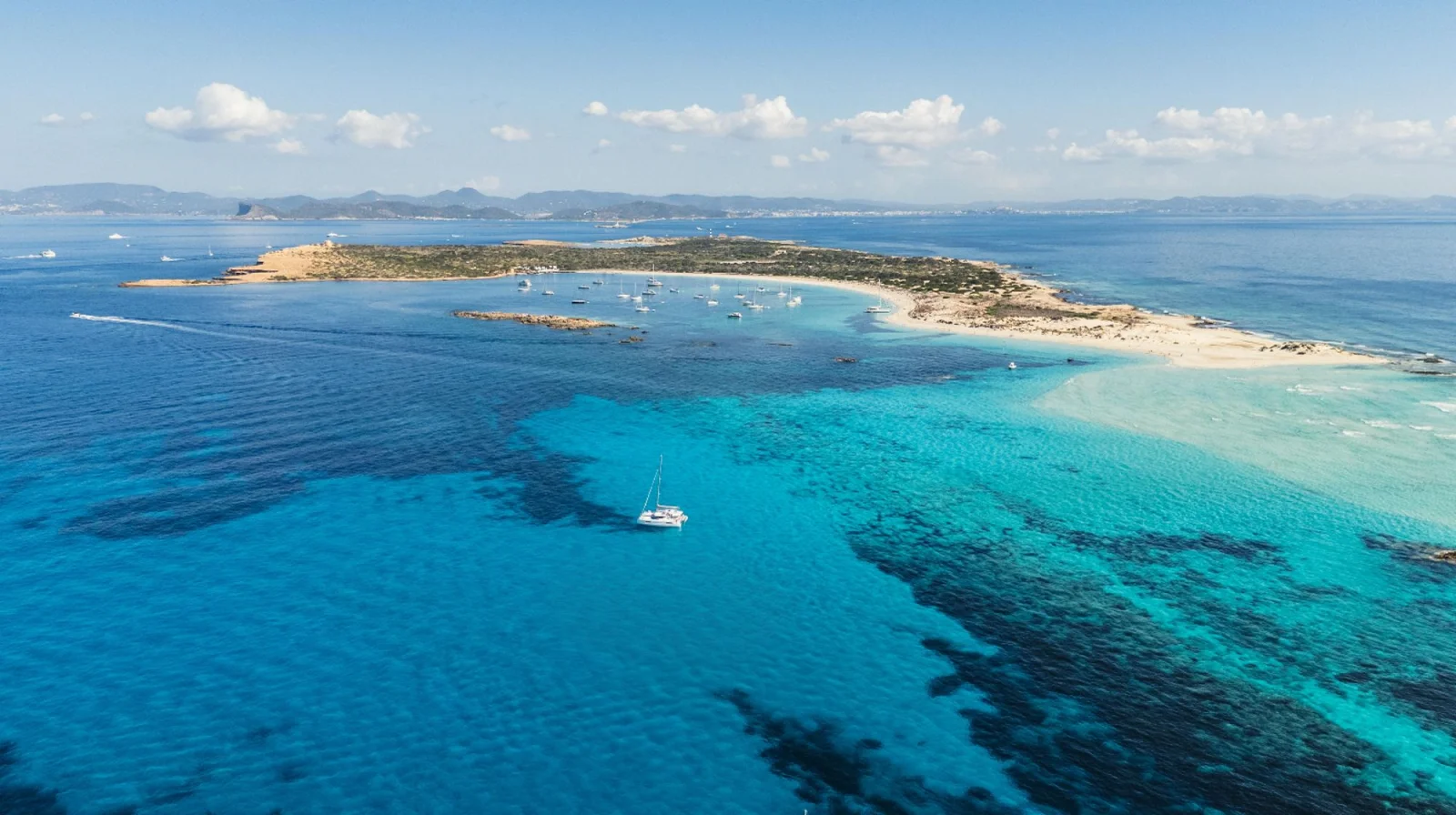
Every beach is free to access, Ses Illetes included. Only sunbeds and parasols are charged (€25 to €40 a day in the private areas). With children, see our pick of family-friendly beaches in Formentera.
Beach map
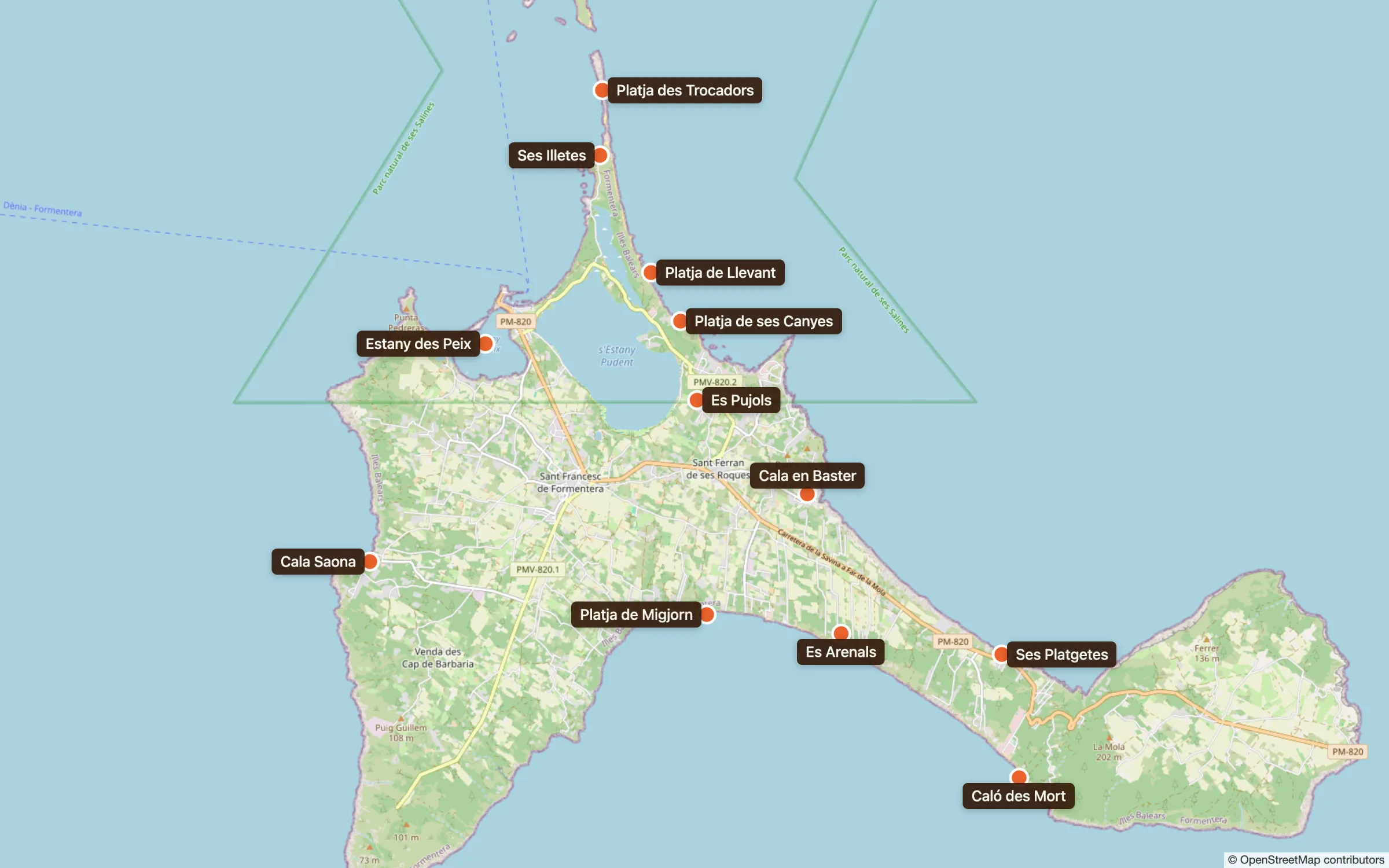
Formentera’s 12 beaches on one map
Filter the beaches by what you are after, then open each beach page: access, parking, shade, beach bar.
Budget
How much does a trip to Formentera cost?
A week in Formentera for two costs between €1,200 (savvy backpackers in May) and €9,000 (luxury in August), flights to Ibiza included. For a comfortable stay in June, budget more like €2,200 to €2,800.
Savvy budget, May
€1,200
A week for two, flights included.
Comfortable stay, June
€2,200 to €2,800
A week for two, flights included: 3-star hotel, scooter, five dinners out.
Luxury, August
€9,000
A week for two, flights included.
Three things explain the gaps: the time of year (prices can double), the type of accommodation (from a guesthouse to a villa with a pool) and how you get around the island. Line-by-line detail and ways to save: how much a trip to Formentera costs.
How long
How many days do you need in Formentera?
Three formats depending on your time:
From Ibiza
1 day
Morning ferry, scooter hired in La Savina, Ses Illetes in the morning, lunch at Juan y Andrea or Beso Beach, Cala Saona in the afternoon, back to Ibiza around 7pm. Intense, but it works as a first taste. Detailed itinerary: Formentera in one day.
The most popular
3 to 4 days
Time to slow down. A day at Ses Illetes and Llevant in the north, a day at Migjorn in the south, a boat trip around Espalmador, half a day at La Mola lighthouse and the hippie market. This is what most people do.
On island time
A week or more
You properly settle in. The five main beaches, two or three wild coves, several boat trips, walks on the green routes and dinners in the villages. From a week onwards you leave “sightseeing” mode for everyday island life, which is the truest way to experience Formentera.
Comparison
Formentera or Ibiza: which one?
A question we get all the time, and an honest answer: the two islands suit very different trips.
| Criterion | Ibiza | Formentera |
|---|---|---|
| Area | 572 km² | 83 km² |
| Nightlife | International superclubs | Sunset beach bars, music bars |
| Beaches | Varied, some with cliffs | White sand everywhere, see-through water |
| Accommodation | Huge choice, every budget | Limited, mostly upmarket |
| Average budget for a week (couple, June) | €1,800 to €2,500 | €2,200 to €2,800 |
| Best for | First visit, partying, variety | Calm, premium beaches, repeat visits |
The right mix
Plenty of people do both: 4 to 5 nights in Ibiza, 2 to 3 nights in Formentera. It is probably the most balanced plan for a first trip to the southern Balearics. For a short stay based in Ibiza, our 5-day itinerary keeps a full day for Formentera.
At the table
Food and places to know
Formentera’s cooking rests on three pillars: fish from the local fleet, produce from the land (figs, almonds, fresh goat’s cheese) and the farmhouse recipes of the Pityusic islands. The island also makes its own wine, see Formentera’s vineyard. A few dishes not to miss:
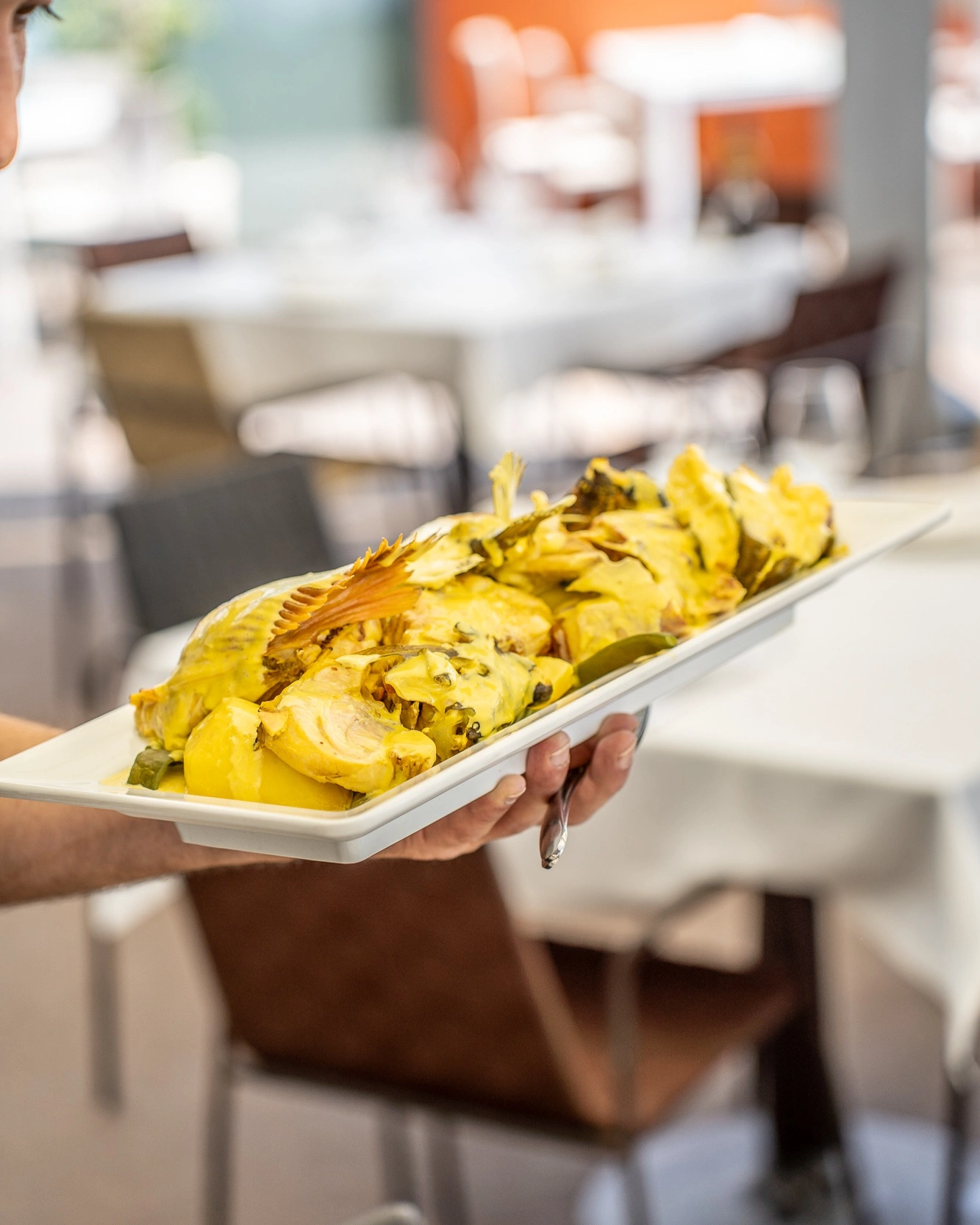
Bullit de peix
Rockfish stew served in two stages (broth, then rice). See bullit de peix.
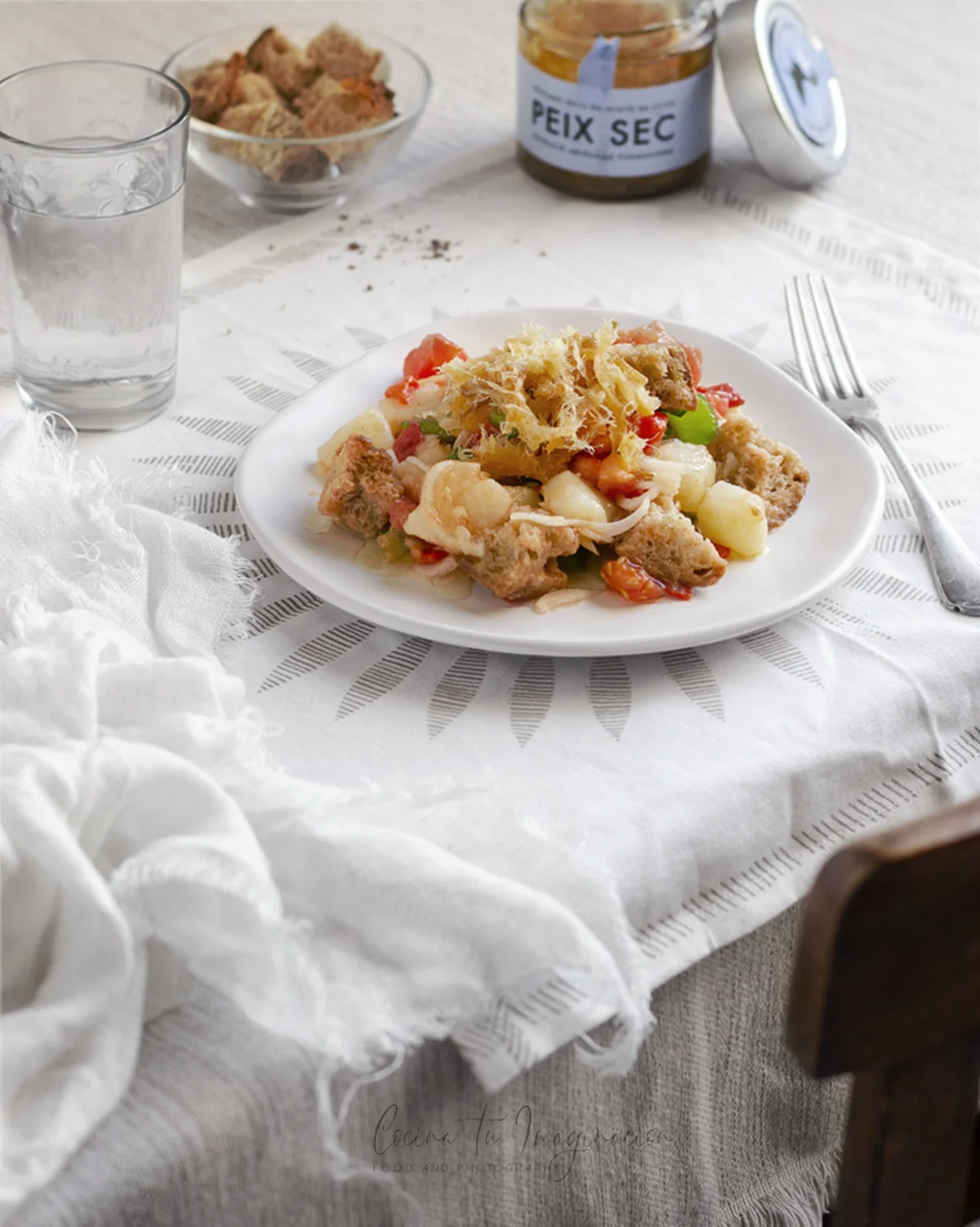
Ensalada payesa
The farmhouse salad of potatoes, egg and peix sec (dried fish).
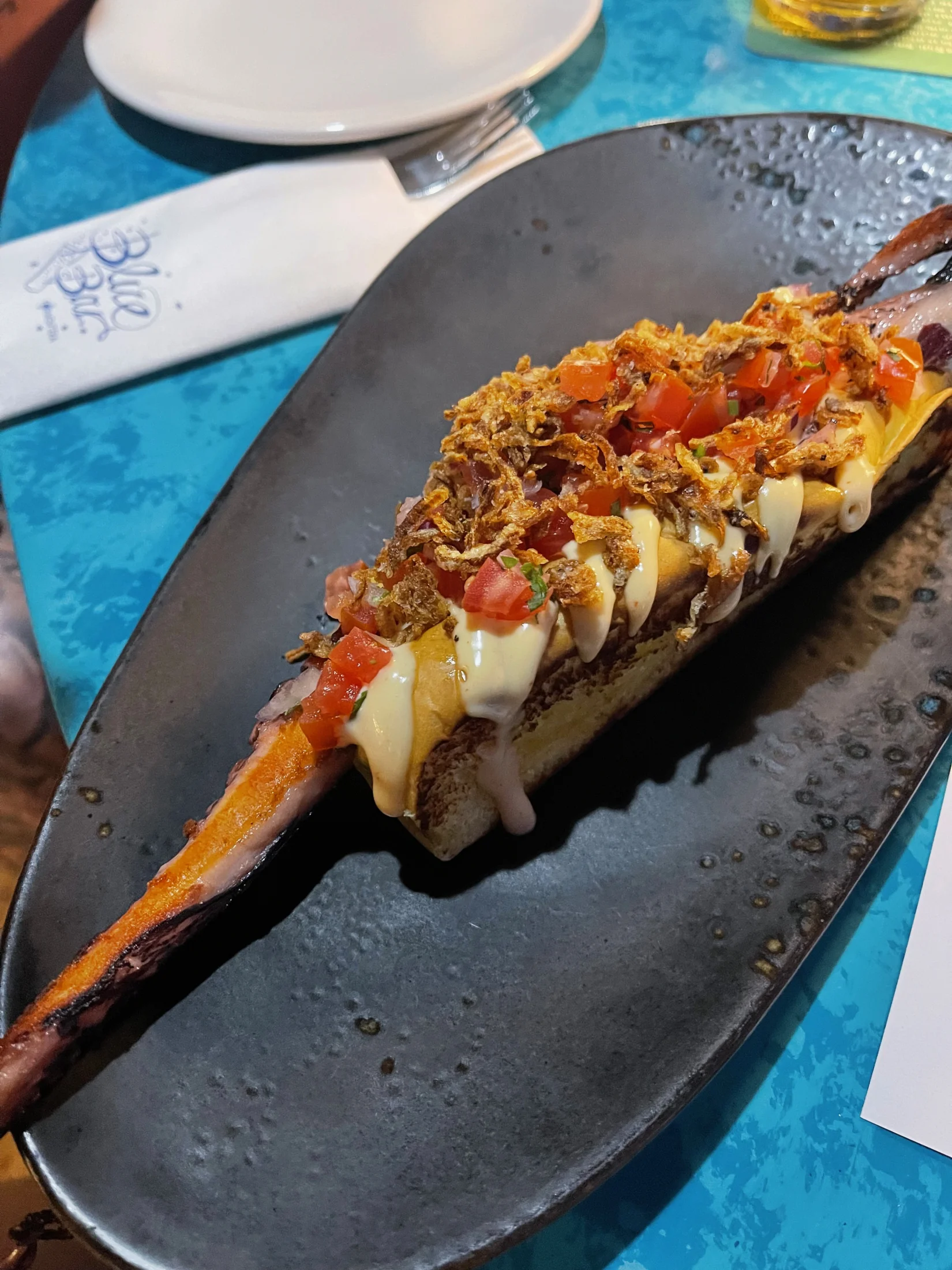
Frita de polp
Octopus fried with potatoes and peppers.

Flaó
Fresh cheese and mint cake, the island’s signature dessert. The flaó recipe.

Hierbas Ibicencas
An 18-herb liqueur, served ice-cold after dinner. All about hierbas.
For breakfast, the best places are in our guide to breakfast and brunch in Formentera.
Culture
Markets and local culture
The hippie markets have been an island institution since the 1970s. They carry on directly from the community that settled here at the time and put down roots.
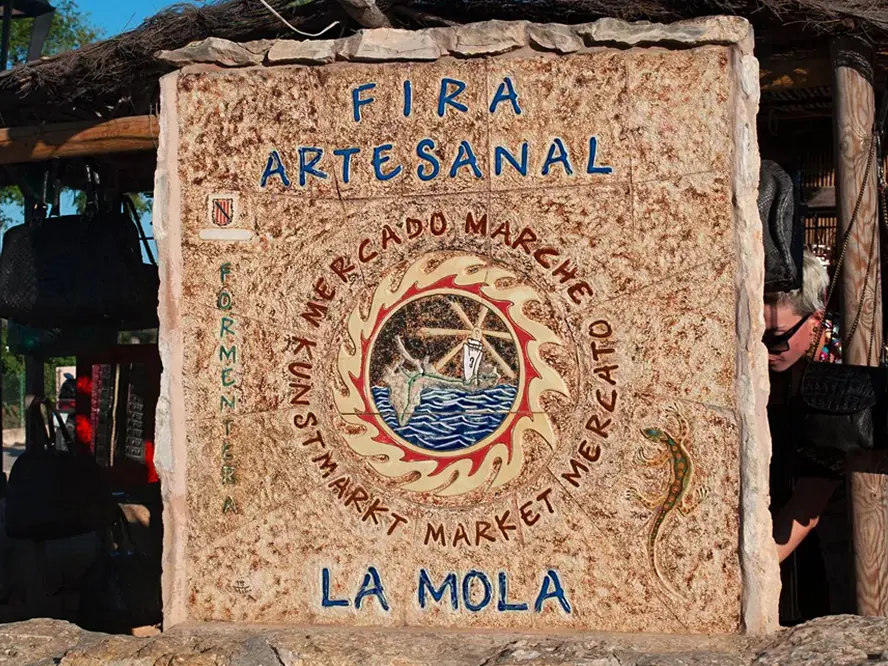
Wednesday and Sunday evenings
La Mola market
May to October. The most authentic, with free concerts.
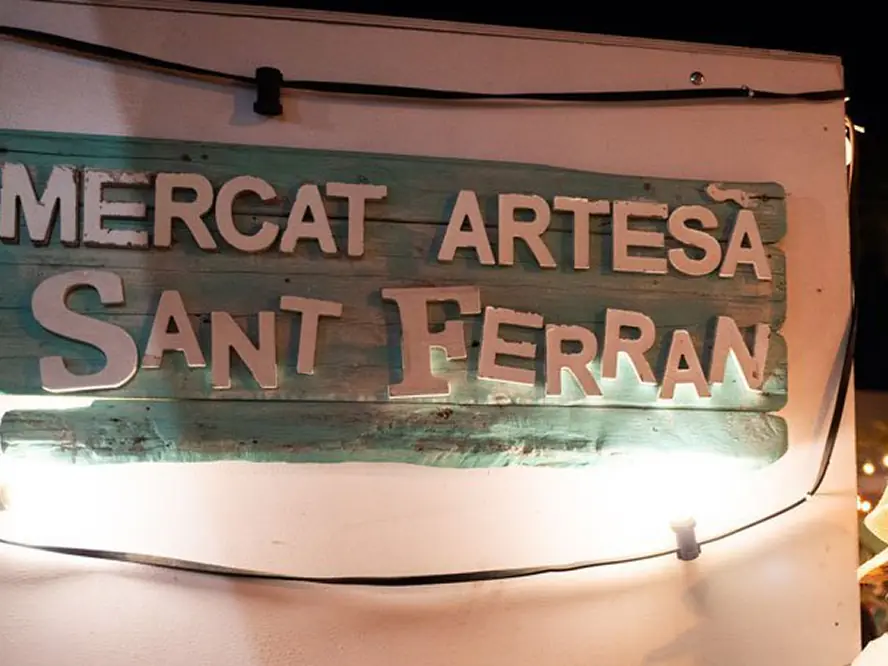
Evenings, May to October
Sant Ferran market
Crafts along the church street, live music on Saturdays, and an art market every evening except Wednesday and Sunday.
Mornings
Sant Francesc market
Local produce, cheeses, cured meats.
All the details and times: the top 5 hippie markets in Formentera.
Also worth reading
News, hotels and inspiration
All our other articles about Formentera (food, events, beach guides, news):
Getting around Ibiza and Formentera: car, scooter, bus or bike?
How to get around Ibiza and Formentera: car hire, scooter, bus, bike, taxi. Prices, where to rent and the 2026 rules to…

Sunset in Ibiza: the best spots and where to actually sit
Where to watch the sunset in Ibiza: Cala Comte, Benirràs drums, Es Vedrà, the San Antonio strip, Hostal La Torre, plus sunset…

Paradiso Ibiza Art Hotel: my review and how to sleep free in the glass Zero Suite
The Paradiso Ibiza Art Hotel, the pink Art Deco hotel in Sant Antoni bay: rooms, pools, day pass and how to book…
Posidonia in Ibiza and Formentera: the secret of the turquoise water, under threat
Posidonia, the seagrass behind Ibiza and Formentera's turquoise water: what it does, why it crossed a red line in summer 2025 and…

Yoga and wellness retreats in Ibiza and Formentera: prices, places and how to choose
Yoga and wellness retreats in Ibiza and Formentera: organised retreats, wellness hotels, one-off sessions, prices and the questions to ask before booking.
Checklist
Practical tips before you go
- Book the ferry and accommodation together as soon as your dates are fixed (ideally three months ahead for June and July)
- Bring some cash: a few beach bars still only take cash
- Do your shopping in Sant Francesc, ideally on arrival: the mini-markets in the coastal villages charge 30 to 50% more
- Pack your snorkelling kit: a mask and snorkel are enough for the seagrass on the lagoon side of Ses Illetes
- Wild camping is banned across the island, as is sleeping in a vehicle or on the beach
The full checklist to run through before you leave: 10 things to do before travelling to Ibiza and Formentera.
Frequently asked questions
FAQ: travelling to Formentera
How do I get to Formentera from the UK?
Fly to Ibiza (direct from London, Manchester, Bristol and Birmingham in summer, around 2h20 to 2h30), then take the 30-minute to 1-hour ferry from Ibiza port to La Savina. Four companies run the route: Baleària, Trasmapi, Formentera Lines and Aquabus. A foot-passenger return costs €50 to €65 in season.
How many days do you need in Formentera?
One day is enough for a quick first look from Ibiza (Ses Illetes and Cala Saona). Three to four days cover the main beaches and a boat trip. From a week, you fall into the island’s rhythm, and that is the truest experience.
When is the best time to go to Formentera?
The first half of June and the second half of September are the best compromise: water at 24 to 26 °C, prices 35 to 45% lower than in August, quiet beaches. May and October are beautiful if you love total calm.
Do you need a car in Formentera?
No, unless there are four or more of you with lots of luggage. A 125cc scooter (€22 to €28 a day booked online) is enough 90% of the time and easier to park in the villages. An e-bike works if you are staying in Es Pujols or Sant Francesc.
What is the most beautiful beach in Formentera?
Ses Illetes tops every ranking (Tripadvisor, The Times, Condé Nast). Fine white sand, see-through water with up to 25 m visibility, free access. Llevant next door has the same quality with fewer people. Cala Saona is the most spectacular at sunset.
Can you camp in Formentera?
No, wild camping is banned across the island. Sleeping in a vehicle, on the beach or in the woods is also forbidden. There is no commercial campsite on Formentera, so you need licensed accommodation.
Is Formentera good for families?
Yes, especially from mid-May to late June or in September. Safe beaches with shallow water, short distances, little traffic. Es Pujols has the most family-friendly feel, with restaurants and services on foot. See our family hotels in Formentera.
What is the average budget for a week in Formentera?
Between €1,200 (savvy budget in May) and €9,000 (luxury in August) for two, flights included. For a comfortable stay in June, budget €2,200 to €2,800 (3-star hotel, scooter, five dinners out).
Is there nightlife in Formentera?
Very little, and that is by design. A few music bars in Sant Ferran and Es Pujols, and beach bars that do sunset (Beso Beach, Piratabus). For clubs and parties, take the ferry back to Ibiza.
Is Formentera more expensive than Ibiza?
Yes, by 20 to 30% on average for accommodation and food. Everything arrives by ferry and supply is more limited. The extra cost is the price of an island that has stayed protected and exclusive.
