

What do you do with yesterday’s ensaimadas? In Ibiza, the answer is dessert. Greixonera turns these stale pastries into a creamy “pudding” flavoured with cinnamon. Here is the traditional recipe, and where to taste it on the island.
The essentials in 30 seconds
- What it is: a flan made with stale ensaimadas, cinnamon and lemon, baked in a bain-marie
- Difficulty: easy. 30 min preparation, 45 min cooking, 8 to 10 portions
- The trap: the cooking. Too long and the texture turns grainy instead of silky
- When to taste it: 5 August, the feast of Santa Maria de las Nieves, patron saint of Ibiza
- Also spelt: graixonera, graxonera, grexonera depending on the family and the menu
The idea is clever. Ensaimadas (the spiral pastries typical of the Balearics) dry out quickly. Rather than throw them away, Ibizans turned them into dessert. Greixonera was born of this anti-waste logic long before the term existed.
Its name comes from the tall oval earthenware dish (greixonera in Catalan) it was cooked in, a utensil found all over the Balearics. You will see the word spelt in several ways on menus and in cookbooks: graixonera, graxonera, sometimes grexonera. It is the same dessert.
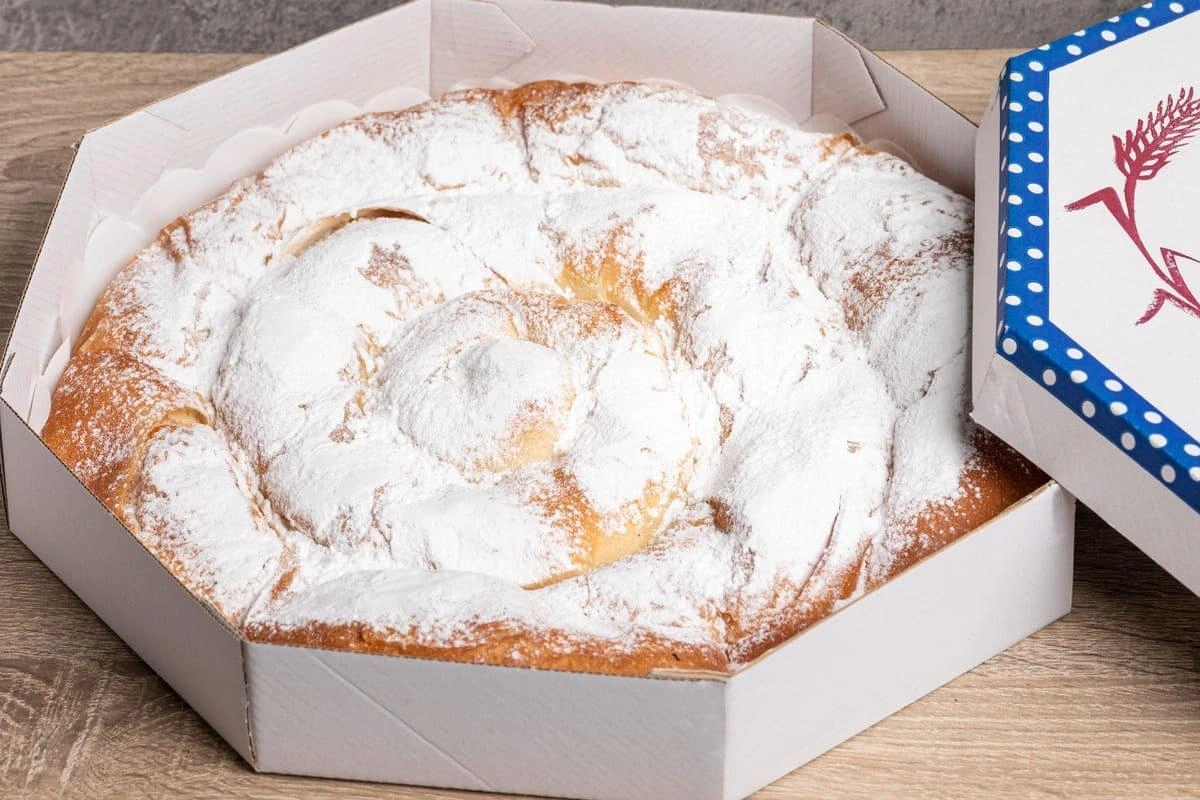
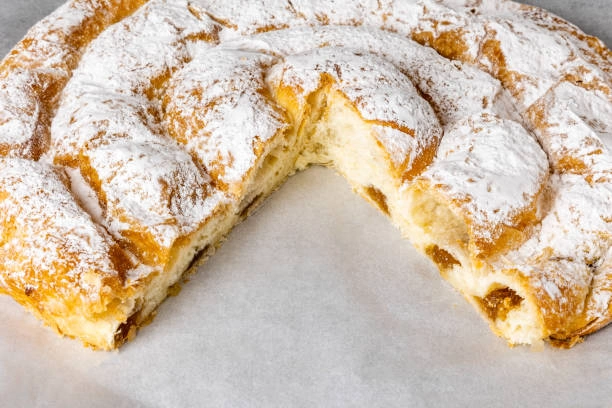
An Ibizan “pudding”? Not quite
Many visitors call it “pudding” and the resemblance is real: a cool, melting dessert served in slices. But British bread and butter pudding is denser, often with dried fruit. Greixonera is closer to a flan: eggs and milk dominate, the ensaimada crumb almost completely dissolves, and the caramelised base makes it more like a crème caramel.
The recipe is not complicated. The tricky part is the cooking. That is what makes the difference between a silky texture and a grainy dessert. The bain-marie is not optional: it stops the eggs setting too quickly at the edges.
Equipment
Nothing out of the ordinary: a frying pan to caramelise the sugar, a deep tin, a saucepan to heat the milk, a mixing bowl and a whisk or mixer. And a dish larger than the tin for the bain-marie.
Ingredients (for 8 to 10 portions)
- 8 day-old ensaimadas (or, failing that, leftover brioche or pastries)
- 8 eggs
- 1 litre of whole milk
- 300 g of sugar (some of it for the caramel)
- A little butter for the tin
- 1 lemon (the zest)
- Cinnamon (a stick for infusing, ground for serving)
- A glass of frígola, Ibiza’s thyme liqueur (optional)
Stale ensaimadas are not a second best: when dry, they absorb the milk better and soak up more cinnamon. A fresh ensaimada will make the mixture pasty.
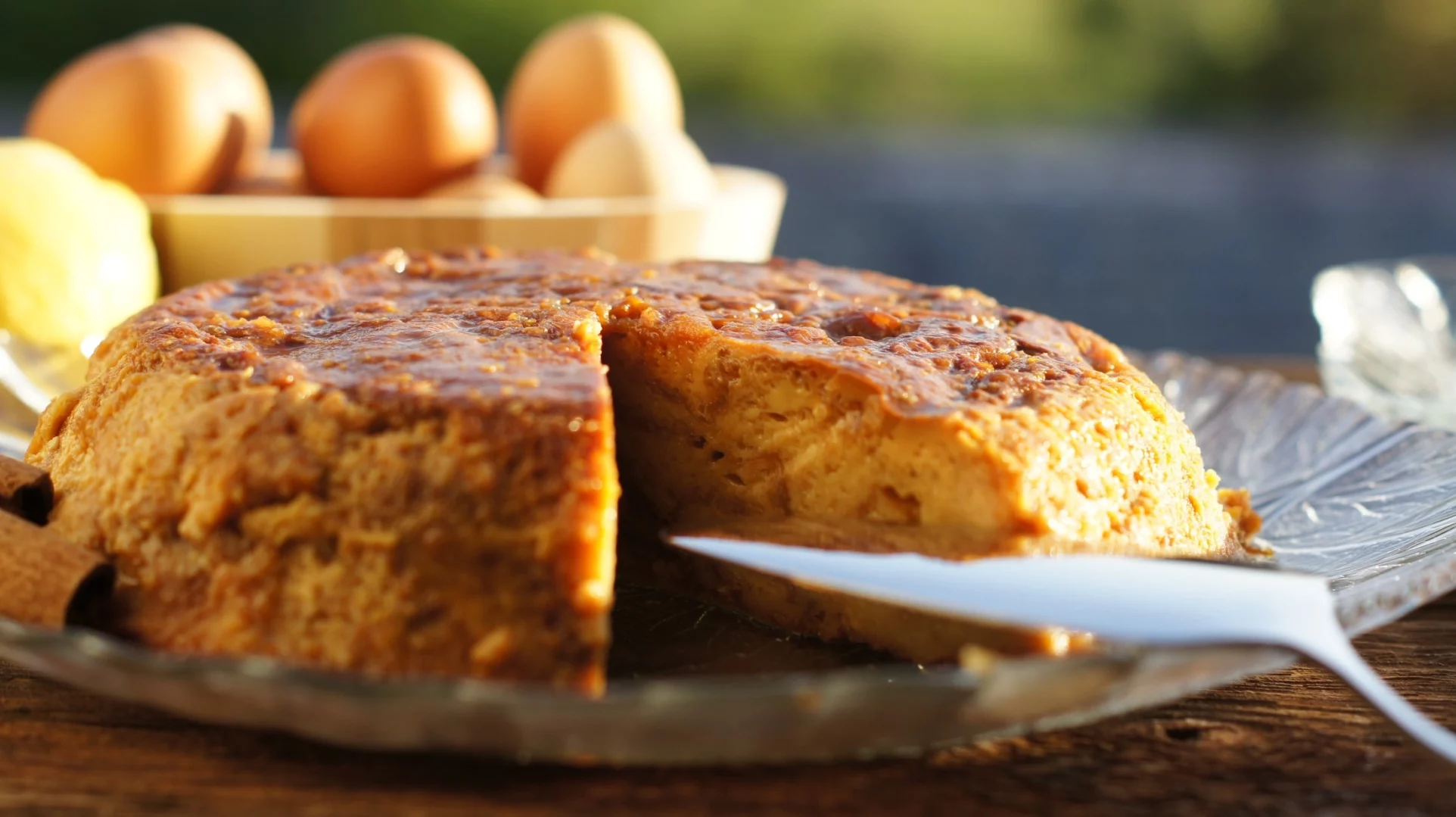
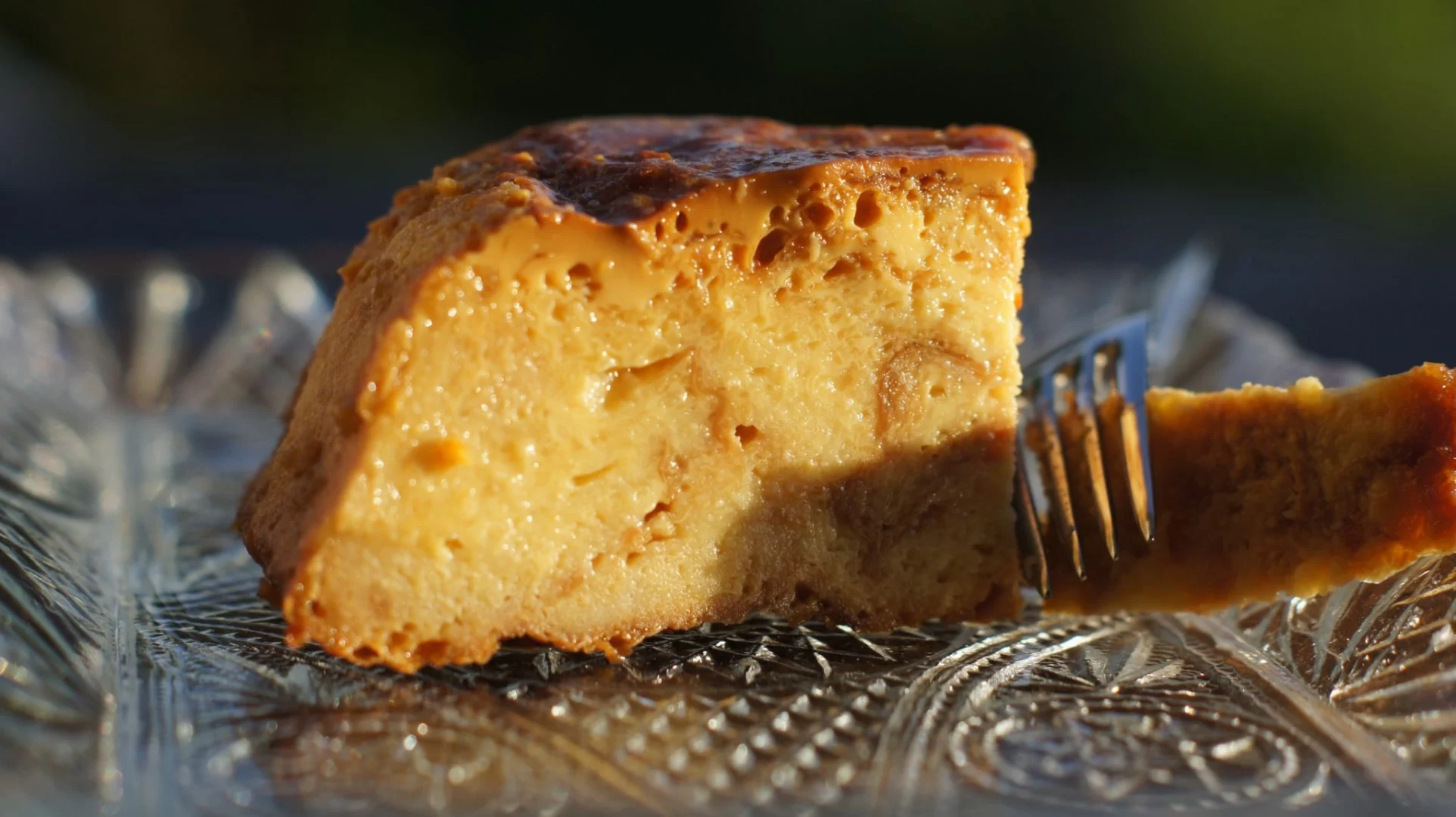
The recipe, step by step
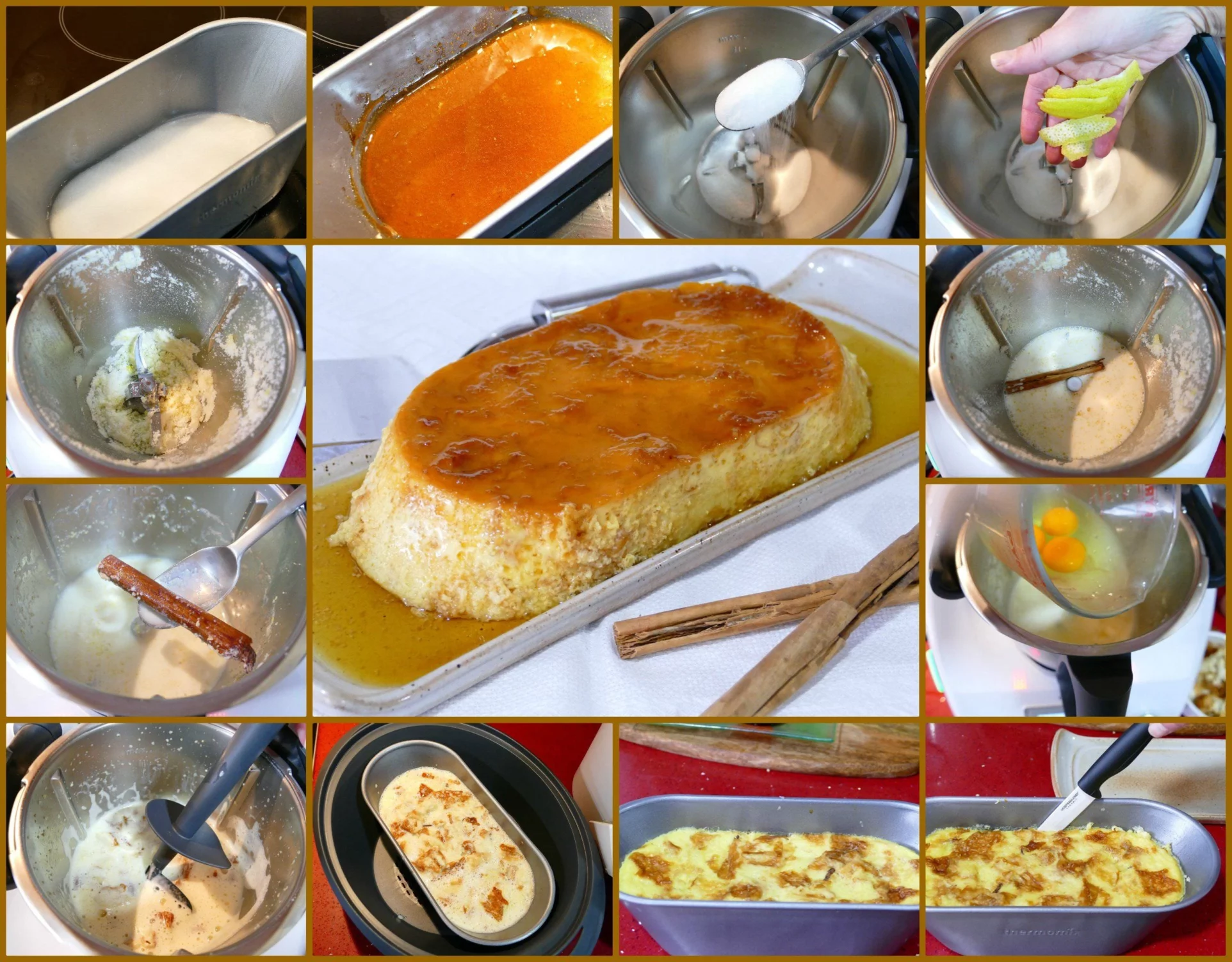
- Infuse the milk. Heat the litre of milk with the lemon zest and a cinnamon stick. Take off the heat before it boils and leave to infuse for about ten minutes.
- Soak the ensaimadas. Crumble them into the strained hot milk and leave to soften until the crumb breaks down completely.
- Beat the eggs with the sugar, then stir them into the mixture. Add the glass of frígola or hierbas ibicencas if you have some. Blend until smooth.
- Caramelise the tin. Melt sugar on its own in a frying pan until you get an amber caramel, pour it into the bottom of the buttered tin and tilt to spread it.
- Bake in a bain-marie at 160 °C for 45 minutes. The greixonera is ready when a knife blade comes out clean and the centre still wobbles slightly.
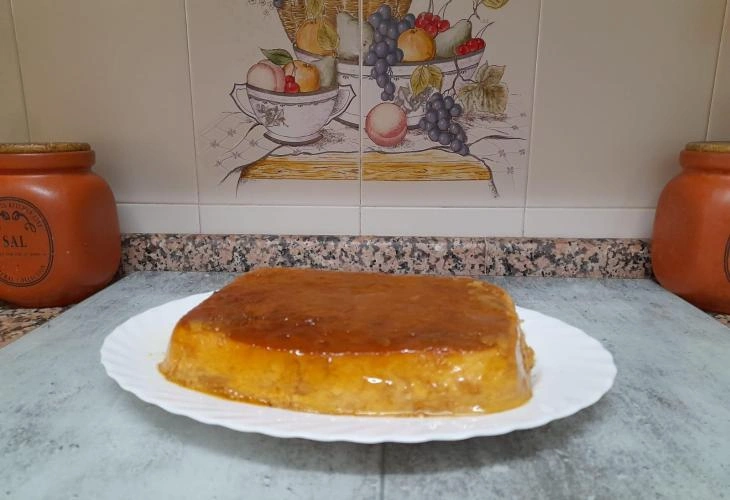
- Cool, then turn out upside down onto a plate. Dust with cinnamon just before serving.
Greixonera is eaten cold. Like many flans, it is better the next day, once the flavours have settled. It keeps for three to four days in the fridge, covered.
The 5 August dessert
Greixonera is the traditional dessert of 5 August, the feast of Santa Maria de las Nieves, patron saint of Ibiza. The town celebrates its patron saint and greixonera accompanies family meals. You also find it at birthdays and village fiestas, served well chilled in high summer.
It is served plain, with a little cream, or with a scoop of ice cream in restaurants that do a modern version.
Where to taste greixonera in Ibiza
Greixonera is not a fine-dining dessert: it is a home dessert. You will find it more easily in the following places than in the beach restaurants in the south of the island.
- Restaurants serving traditional Ibizan food, often inland (Santa Gertrudis, Sant Josep, Sant Joan) rather than on the coast. Look for menus that also list sofrit pagès or bullit de peix: it is a good sign.
- Village craft bakeries, which make it mainly around the patron saints’ festivals and at weekends. That is where you find the versions closest to the family recipe.
- Food markets, where producers sell slices to take away.
A practical tip: ask for it in Catalan or Spanish (greixonera or graixonera). The word “pudding” is confusing and will sometimes get you something else. And if you visit out of season, call ahead: many of these village places close in November and December.
Frequently asked questions
Can you make greixonera without ensaimadas?
Yes. Outside the Balearics, ensaimadas are hard to find. Replace them with stale brioche or day-old croissants. The texture will be slightly different (ensaimada is made with lard, which gives it its particular softness) but the principle works.
What is the difference with greixonera de brossat?
Greixonera de brossat is a Menorcan and Mallorcan variant made with brossat, a fresh whey cheese, instead of ensaimadas. The result is closer to a cheesecake than a flan. Both are named after the earthenware dish, not the ingredient.
How long does it keep?
Three to four days in the fridge, covered. It is best from the next day. It does not freeze well: the eggs release water when thawed.
What is frígola?
It is Ibiza’s wild thyme liqueur. It adds a herbal note that cuts through the sugar. Failing that, hierbas ibicencas work very well, or dark rum in the freest versions.
Fond of Balearic sweets? Flaó, the fresh cheese and mint cake, and orelletes, the festive fritters, complete the trio of Ibizan desserts. For Formentera, see the 10 must-try products of the local cuisine.


