
The typical products of Formentera’s cuisine are peix sec (dried fish), sobrassada (paprika cured sausage), flaó (fresh cheese and mint tart), ensaimada (spiral pastry), local honey, the island’s salt and Formentera wine. In 2026, these specialities are still at the heart of the Formentera table, between craft markets and small producers. Here are the 10 to know before travelling to Formentera.
| Product | Type | Where to find / taste it | Good to know |
|---|---|---|---|
| Peix sec | Dried fish | Traditional restaurants, markets | An age-old fishermen’s dish |
| Sobrassada | Paprika cured sausage | Delis, Sant Francesc markets | Spreadable, travels vacuum-packed |
| Flaó | Fresh cheese and mint tart | Bakeries, pastry shops | Easter dessert, sweet and herby |
| Ensaimada | Spiral pastry | Bakeries, Ibiza airport | Fragile, eat within 2 to 3 days |
| Formentera figs | Fruit (fresh or dried) | Markets, farms | Dried, they travel well |
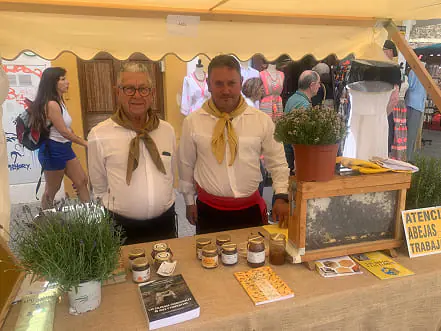
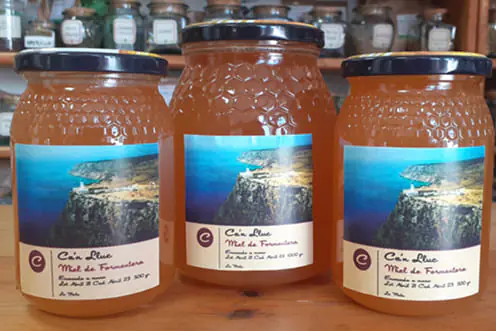
| Formentera honey | Honey (Mel Certificada d’Eivissa label) | Producers, La Mola market | 3 harvests a year |
| Maó cheese | PDO cheese (Menorca) | Delicatessens | Sold in Formentera, not made here |
| Formentera salt | Sea salt (sal líquida) | Shops, delis | Liquid version to spray |
| Calamar a la bruta | Squid dish | Restaurants all over the island | Cooked in its own ink |
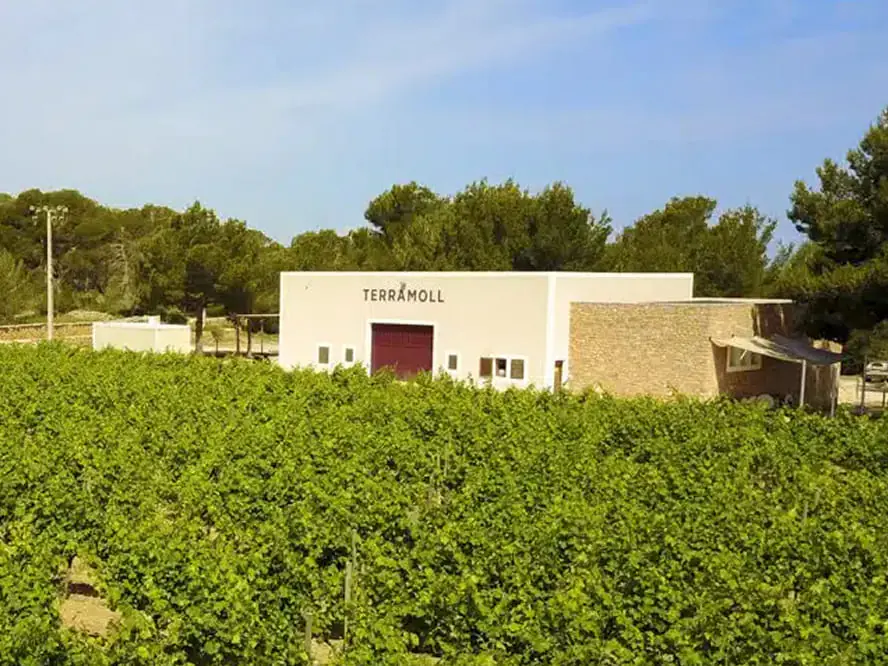
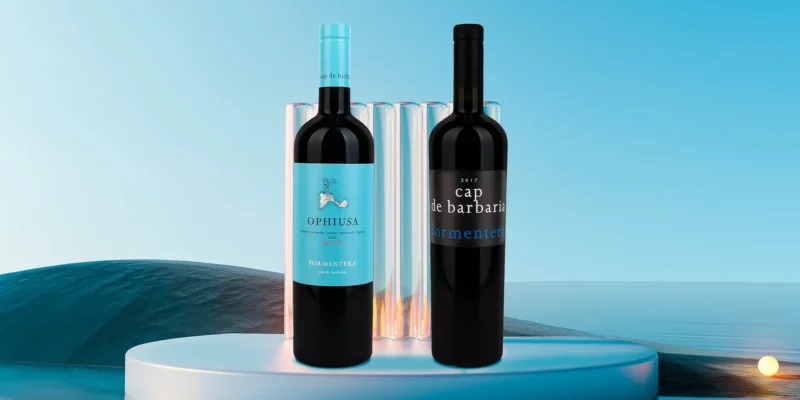
| Formentera wine | Local wine | Wineries: Terramoll, Cap de Barbaria | Very small production |
Peix sec: the taste of the sea
Peix sec is a dried fish (cartilaginous, often ray or small shark) typical of Formentera, prepared using a traditional method inherited from the island’s fishermen and passed down from generation to generation.
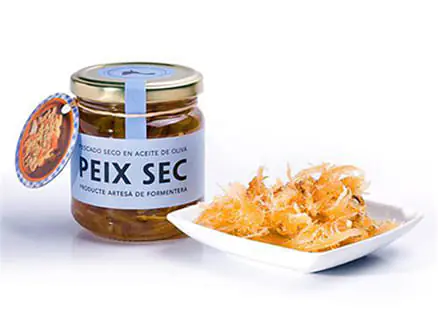
Once dried, the fish is flaked and preserved in olive oil, which gives it a tender texture and an intense flavour.
Its strong, salty taste flavours the famous ensalada payesa, the island’s emblematic country salad of tomatoes, potatoes and peppers.
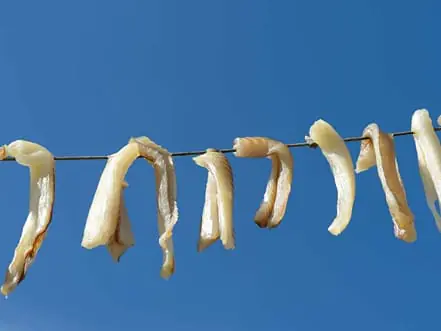
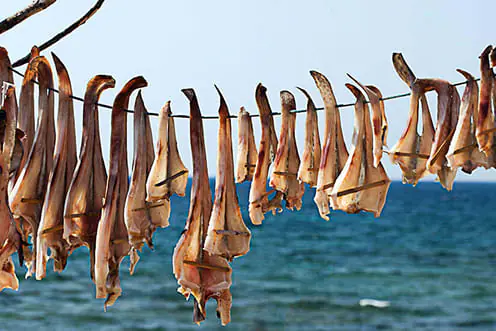
The fish is first cut up, salted, then hung in the sun for several days. You can still see the outlines of fish hanging on some of the island’s terraces. Once dried, it is flaked and kept in olive oil. The result? Tender, slightly stringy flesh with an intense, briny, salty taste. Rather surprising the first time, but it quickly becomes addictive.
Behind this speciality there is also a fine heritage-saving effort. Formentera peix sec is now protected and promoted by a local cooperative, which passes on the tradition while respecting marine resources. A lovely way to preserve the soul of the island. Find out more
Sobrassada: the spicy soul of the Balearics
Sobrassada is a cured sausage typical of Mallorca, also found in Menorca, Ibiza and Formentera. Formentera sobrassada is the island’s spicy soul in a single bite.
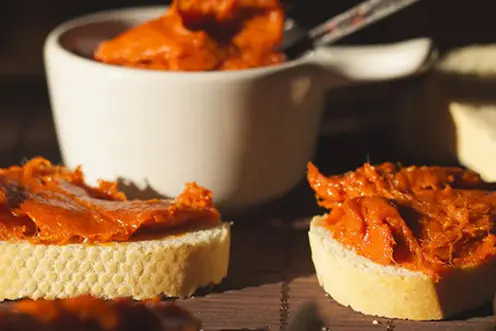
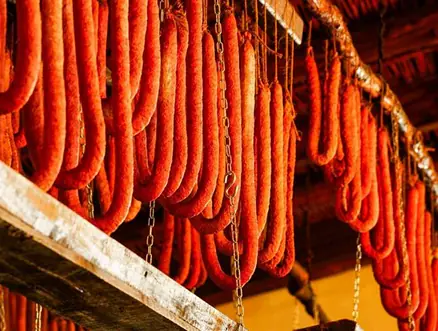
In practice it is like a delicious spreadable chorizo, made with black pork, smoked paprika and a few secret spices, with a melting texture and an intense flavour. It is made from finely minced pork, generously seasoned with salt, pepper and above all paprika, which gives it its characteristic bright red colour. It is then stuffed into a natural casing and slowly cured for several weeks, even several months, depending on the size of the sausage.
This is how it develops deep aromas, best enjoyed on toast with a drizzle of honey for a sweet and savoury touch.
More than a cured meat, it is a culinary heritage and an ingredient in its own right in Balearic cooking. It goes into stews, sauces, on eggs, in pasta and more. Taste-wise, it is generous, intense and a little rustic. You will easily find it in different sizes at markets across the Balearics!
Have you ever tried it?
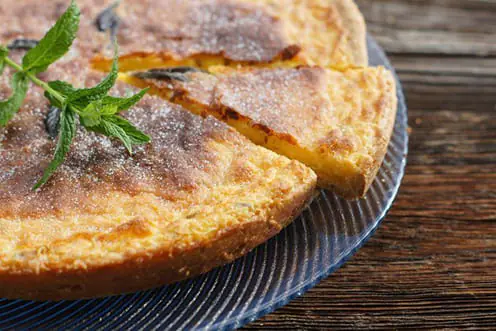
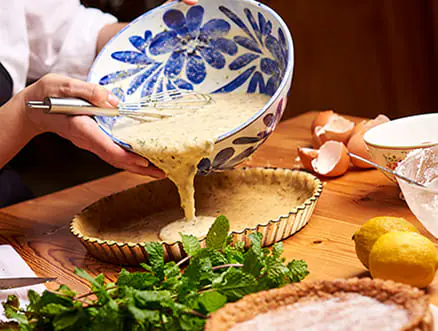
Flaó: cheese, mint, anise, tradition, sweetness, sunshine!
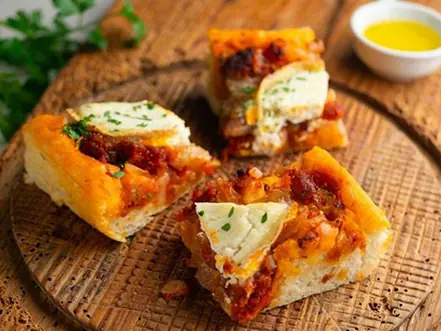
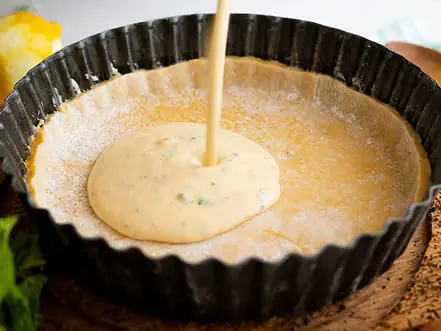
A typically Balearic tart made with fresh cheese (often goat’s or sheep’s), mint and anise. Its crisp shortcrust contrasts with the gently tangy filling, and its scent recalls the island’s herb gardens. Enjoy it for breakfast or dessert with a coffee or a glass of hierbas, for a real taste of the Balearic sun.
This traditional dessert is a little disconcerting at first because of its sweet and savoury mix. Baked in the oven, it comes out soft, fragrant and even refreshing. A surprisingly light dessert, ideal after a sunny day. It is often eaten at local festivals, although you now find it in plenty of small craft bakeries.
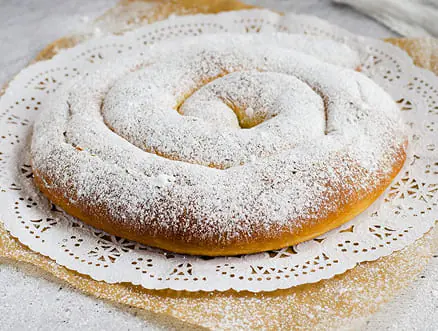
Ensaimada: the emblematic Balearic pastry
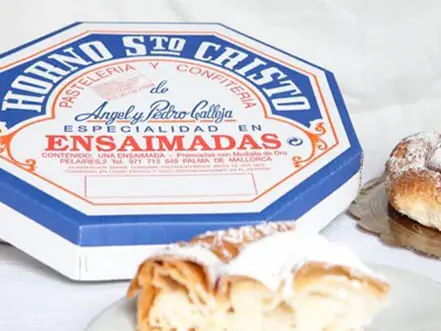
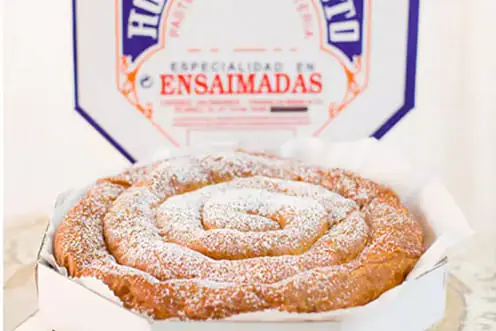
Ensaimada is an emblematic sweet speciality from Mallorca, also found in Menorca, Ibiza and Formentera.
It is a spiral-shaped pastry, airy and lightly caramelised. Its snail shape, its light layers and its airy texture make it a pastry like no other.
Its thin, sweet dough is best enjoyed early in the morning with a coffee, or in the late afternoon facing the sea. I particularly recommend the versions filled with cream or with pumpkin jam (yes, really): a real local treasure you only find here.
It is part of the island’s family and festive culture. People give it, share it, carry it in its typical round boxes, often far too big for a cabin bag. Don’t worry, you will easily find it at Ibiza airport after security if you want to take some home! An absolute treat!
So if you are passing through the Balearics, do not leave without tasting a fresh ensaimada.
Formentera figs: sunshine in a fruit
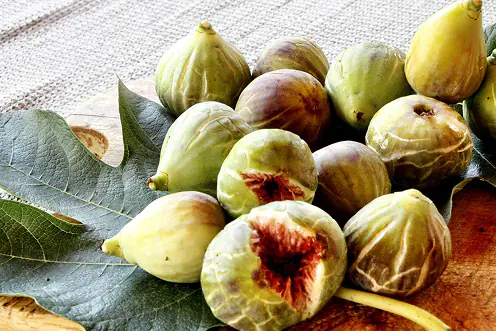
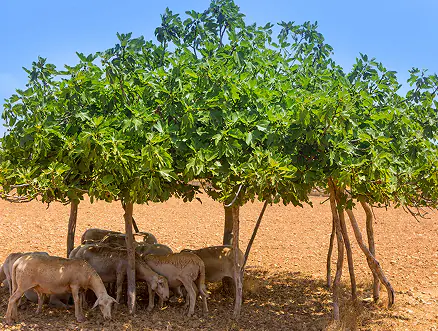
Fig trees and figs were long essential to Formentera’s economy. These hardy trees, suited to the island’s dry climate, provided not only food (fresh or dried) but also shelter for animals thanks to their dense foliage. Grown communally, they were a staple for local families before tourism took off. Even today, they symbolise a strong link between farming traditions and Formentera’s identity.
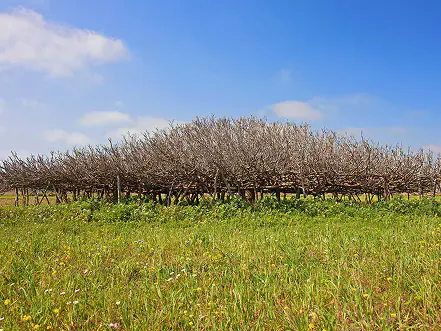
Most fig trees grow with their branches propped up by wooden poles (“estalons”), a centuries-old technique inherited from the island’s farmers. It keeps the branches horizontal, makes picking easier and ensures a generous harvest.
The most famous of all? The majestic Na Blanca d’en Mestre fig tree, more than a hundred years old: its crown is nearly twenty metres across, held up by more than 140 estalons, and you can see it along the road between Sant Francesc and La Mola. PM-820 road, km 8.9
Taste-wise, they pair beautifully with goat’s cheese and a drizzle of honey. They are used in many local recipes and embody the cultural and culinary richness of the archipelago!
Formentera honey: the island’s local treasure
Harvested in an unspoilt environment, Formentera honey reflects the richness of its wild flora. Depending on the season, it develops subtle notes of rosemary or the aromatic intensity of frígola (thyme). Produced without chemicals, it keeps an exceptional purity and quality.
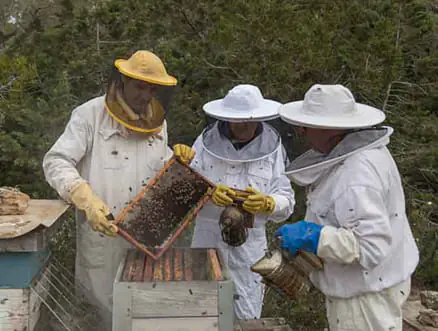
The honey produced in Formentera (and Ibiza) is the fruit of precious know-how, passed on and protected by around a hundred beekeepers in the Ibiza and Formentera Beekeepers’ Association. On average, 10 tonnes of honey are produced each year. A local particularity: 3 harvests a year (spring, summer and autumn), giving honeys with varied aromas and colours, from light gold to deeper brown, depending on the flowers in season (citrus, thyme, rosemary and more).
Since 1989, the association has actively fought the threats facing bees, such as the varroa mite, and promotes local honey through the “Mel Certificada d’Eivissa” label. It also runs awareness sessions in schools and for visitors.
Maó cheese: a dairy treasure
Maó cheese, from the neighbouring island of Menorca, is a Balearic essential. This hard cheese, with a unique, slightly salty taste, takes its name from the port town of Maó. Made using age-old methods with local cow’s milk, it has PDO status guaranteeing its authenticity. You can easily recognise it by its orange rind, rubbed with olive oil and paprika.
When you are in Formentera, make sure you try it: it is often sold at markets or on restaurant menus, perfect with a glass of wine facing the sea!
Formentera salt: the island’s white gold
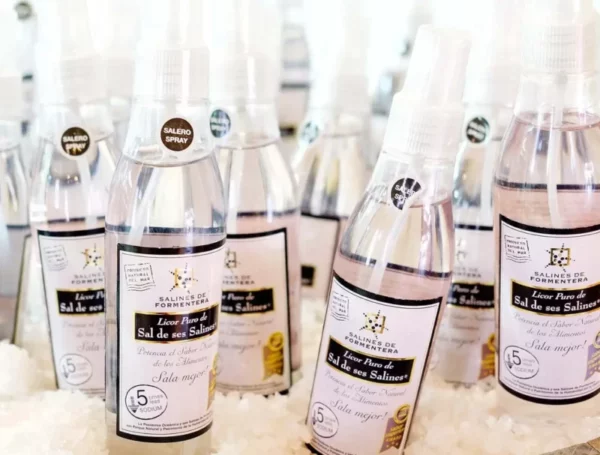
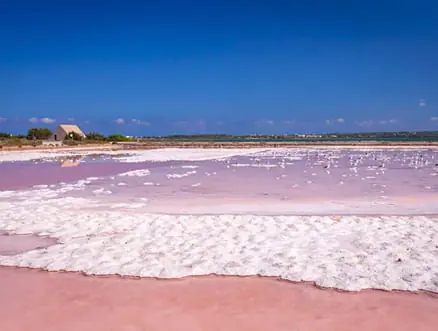
Formentera is home to exceptional salt flats that produce salt, notably pure natural liquid salt.
Long considered Formentera’s white gold, the salt extracted from the salt pans of the natural park made the island’s fortune for centuries. Worked since Phoenician times, this salt of remarkable quality was a highly prized export. Over time, this activity gradually gave way to tourism, which pays better. Today the salt flats are no longer worked on a large scale, but they are an integral part of the island’s protected natural heritage.
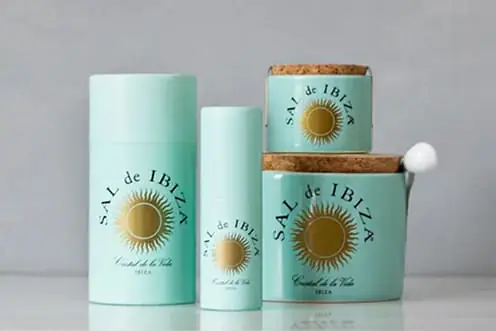
As for liquid salt, this gastronomic treasure is known for its high quality, thanks to intense filtration, increased oxygenation and mineralisation of the water. Low in sodium and additive-free, it is sterilised at -20 °C before bottling.
Ideal for lifting salads, vegetables, rice dishes or roasts, “sal líquida” comes in 2 sizes. You will find it in delis, supermarkets and food markets on the island. With its clever spray, it seasons your food while cutting sodium intake considerably, up to 5 times less than ordinary salt. An original product to take home!
You will also find plenty of Ibiza fleur de sel across the islands, especially at the airport and in markets, recently in lovely blue and pink packaging.
“Calamar a la bruta”: the signature dish
The recipe for “calamares en su tinta” or “calamars a la bruta” starts by browning squid in olive oil with black botifarra (a Catalan sausage) and sobrassada (Balearic cured sausage). The squid is then cooked with garlic, tomato, onion, white wine and bay leaves until the liquid reduces.
It is a typical Formentera dish, often served as a starter or as tapas before the main course!
Formentera wine: small but mighty
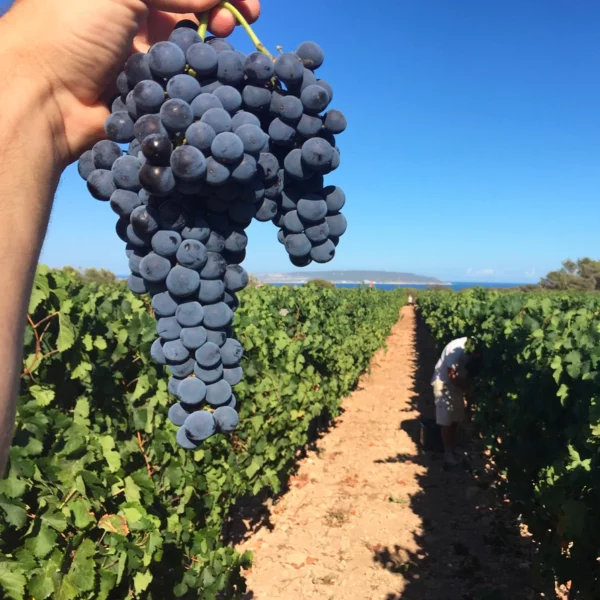
With its Mediterranean climate, Formentera produces a range of local wines that perfectly reflect its unique terroir. The first vines on the island were planted several centuries ago, when the islanders found that the land, despite its small size, offered ideal conditions for certain grape varieties. Passed down through the generations, this winemaking craft has been enriched by Mediterranean influences and traditional techniques, giving an authentic, environmentally friendly local production.
The island enjoys a typically Mediterranean climate, with generous sunshine and mild temperatures that let the vines ripen slowly and develop all their aromatic complexity. The soil, often limestone and poor in nutrients, forces the vines to dig deep for food, which gives particularly concentrated, flavoursome grapes. This natural hardship shows in wines with mineral notes and remarkable finesse.
Winemakers use biodynamic or organic practices to preserve the island’s natural balance. By respecting nature and limiting chemicals, they produce authentic wines that respect local biodiversity. This sustainable approach not only produces quality wines but also keeps a strong link with Formentera’s landscape and farming tradition.
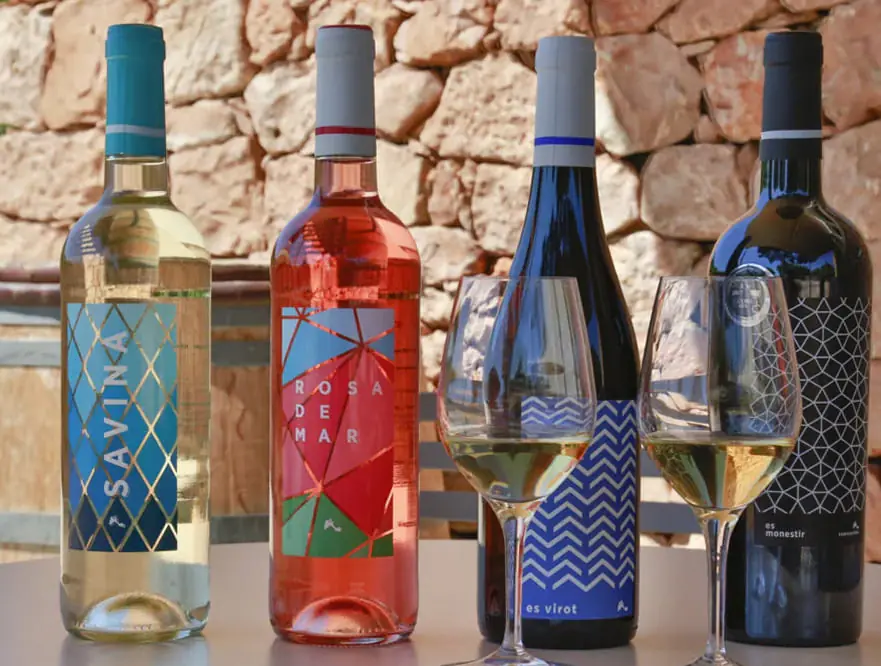
Here are a few wines you will easily find on the island: ideal to take home or to enjoy on a terrace in local bars and restaurants! We have tasted several of them and I highly recommend them!
White wines:
- Cala Saona Blanco: a fruity, light wine, ideal with seafood and fish.
- Vino de la Tierra de Formentera Blanco: a fresh, fragrant wine, perfect as an aperitif.
- Savina Terramoll
Red wines:
- Vino de la Tierra de Formentera Tinto: light and elegant, it goes well with grilled meat.
- Terramoll Es Virot
- Cap de Barbaria Ophiusa
Rosé wines:
- Sa Cova Rosado: a dry, fruity rosé, lovely with salads or tapas.
Where to buy these products in Formentera (and at what price)?
The best starting point is the markets. The La Mola craft market, at the eastern tip of the island, is held on Wednesday and Sunday afternoons from May to October. You will find producers’ honey, fig jams, dried herbs and crafts, in an atmosphere that feels more authentic than touristy if you go early. In Sant Francesc, the main village, small markets and stalls regularly set up around the square and the church: that is where you will find sobrassada, salt and cheeses.
For products that keep, head to the delis of Sant Francesc and Sant Ferran. To compare with the neighbouring markets, have a look at our guide to food markets in Ibiza. As for budget, here are cautious 2026 price ranges. Allow around €8 to €15 for an ensaimada depending on size and filling (plain, cream or angel hair). A jar of local honey costs around €10 to €15, sometimes more from very small beekeepers given the three yearly harvests and limited quantities. The famous sal líquida, the liquid salt you spray, costs around €6 to €9 a bottle.
For wine, go to the island’s wineries. A bottle of Terramoll, Cap de Barbaria or Cala Saona generally costs between €12 and €20, more for rarer cuvées. Many wineries offer a visit and tasting by booking, which is still the best way to buy at a fair price and understand what you are drinking.
Insider tip: buy fresh products (flaó, sobrassada cut to order) at the end of your stay, not on the first day. Formentera’s heat is merciless for cured meats and pastries, and a flaó forgotten for two days in a car parked in the sun cannot be saved.
What to bring home from Formentera in your suitcase?
Not everything travels equally well. Some products are made for the suitcase, others will give up before you get home. Here is how to choose. And if you are planning your budget, see also why Formentera costs more than you think.
- Salt and sal líquida: unbeatable, light, unbreakable, perfect as a gift.
- Honey: travels well, but in the hold only (a jar exceeds the 100 ml cabin limit).
- Wine: in the hold, well wedged between clothes, or bought at duty free.
- Dried figs: compact and stable, they handle the journey with no problem.
- Vacuum-packed sobrassada: the packed version survives the trip, unlike sausage cut to order (but see the UK rule below).
The tricky one is the ensaimada. Sold in its large round cardboard box, it is as fragile as it is bulky, and it gets crushed at the slightest knock. The regulars’ trick: do not buy it in Formentera, buy it at Ibiza airport after security, just before boarding. You then only carry it for a few hours, in the cabin, without turning it into a pancake.
For the UK, check the rules before you buy: since April 2025, travellers can no longer bring meat or dairy products from the EU into Great Britain for personal use, so sobrassada and Maó cheese have to be eaten on the spot. Honey, salt, dried figs and wine are fine, wine within your duty-free allowance. Also bear in mind the cabin liquids rule (100 ml maximum per container): honey, sal líquida and wine have to go in the hold. And if you take the ferry back to Ibiza, spread your fragile purchases across several bags rather than piling everything together.
My favourite places to find these products
Over our trips around the island, I have noted several lovely places where you can find some of these products, in different villages:
- Forn Sant Ferran
Carrer de Joan Castelló Guasch, 61, 07871 Sant Ferran de Ses Roques - Bon Beure
avinguda, 07872 El Pilar de la Mola - Vins i més
Carrer d’Eivissa, 17, 07860 Sant Francesc de Formentera - Pequeño Formentera
Carrer de la Mare de Déu del Carme, 8, 07870 La Savina - Spritzeria & Minimarket Formentera
Carrer de Joan Castelló Guasch, 11, Local 4, 07871 Sant Ferran de ses Roques, Balearic Islands, Spain
Get ready for a food trip as sunny as a summer on the island 😉
If you have other products to recommend, feel free to leave me a comment or get in touch!
FAQ: Formentera’s cuisine and products
What is the typical dish of Formentera?
Formentera’s signature dish is calamar a la bruta, squid stewed in its own ink. The island’s cooking also revolves around peix sec, the fishermen’s dried fish, often served in a salad or flaked. These recipes were born of the need to preserve fish and have become markers of local identity.
What is peix sec?
Peix sec is fish dried in the sun and wind, an age-old preservation technique used by Formentera’s fishermen. It is mostly made with ray or lean fish, dried and then rehydrated. It is eaten flaked in a salad, with potatoes, tomatoes and a drizzle of olive oil.
Which sweet speciality should you bring back from Formentera?
For something sweet, two safe bets: ensaimada, a spiral pastry dusted with icing sugar, and flaó, a fresh cheese tart flavoured with mint. As the ensaimada is fragile, it is best bought at Ibiza airport just before your flight. Local honey and dried figs also make excellent food gifts and are easier to carry.
Where can you eat local produce in Formentera?
The traditional restaurants in the villages of Sant Francesc and Sant Ferran serve peix sec, calamar a la bruta and fish of the day. To buy direct from producers, the La Mola craft market (Wednesday and Sunday from May to October) is the place for honey, jams and herbs. The delis in Sant Francesc complete the list for sobrassada and salt.
Is Formentera salt different from ordinary salt?
Yes. Formentera salt is harvested in the island’s salt flats, in the south, in a protected environment listed as a Unesco World Heritage site. Its best-known feature is sal líquida, a concentrated brine in a spray bottle that lets you salt without overdoing it, directly onto a dish or salad. The taste is more marine and less harsh than industrial table salt.
And to keep going with local shopping, have a look at our top 5 hippie markets in Formentera.

