

Ever drunk a white sangria on a summer evening and wondered why it never tastes the same as the one at the bar in Spain? The answer usually comes down to two details most recipes rush through in one line: infusing the spices and choosing the sweetener.
Here is the truly original recipe. Yes, it takes a little time, but it changes everything!
The original recipe
Serves 6 to 8
Ingredients
- 1 bottle of dry Spanish white wine, 75 cl (white Rioja or another young, unoaked wine)
- 10 cl of Muscat or sweet white wine (optional but very typical)
- 10 cl of Cointreau or orange liqueur, or Spanish brandy
- 60 to 80 g of sugar (adjust to the wine and your taste)
- 2 unwaxed oranges
- 2 unwaxed lemons
- 2 peaches or nectarines
- 1 apple (optional, but common in Spanish versions)
- 1 cinnamon stick
- 1 split vanilla pod (optional, but widely used)
- 25 to 50 cl of lemonade or lemon soda, added only when serving
- Ice to serve
Method, step by step
- 1. Infuse the spices: the step that makes all the difference
In a small pan, gently heat 10 to 15 cl of the white wine with the cinnamon, the vanilla pod and half the sugar. The aim is not to boil. Just simmer for 1 to 2 minutes, then turn off the heat, cover and leave to infuse for 30 to 60 minutes. Strain before using. - 2. Prepare the fruit
Wash the oranges, lemons, peaches and apple. Cut the citrus into thin half-slices and the peaches and apple into cubes. You can keep the skin on: it adds fragrance. - 3. Combine
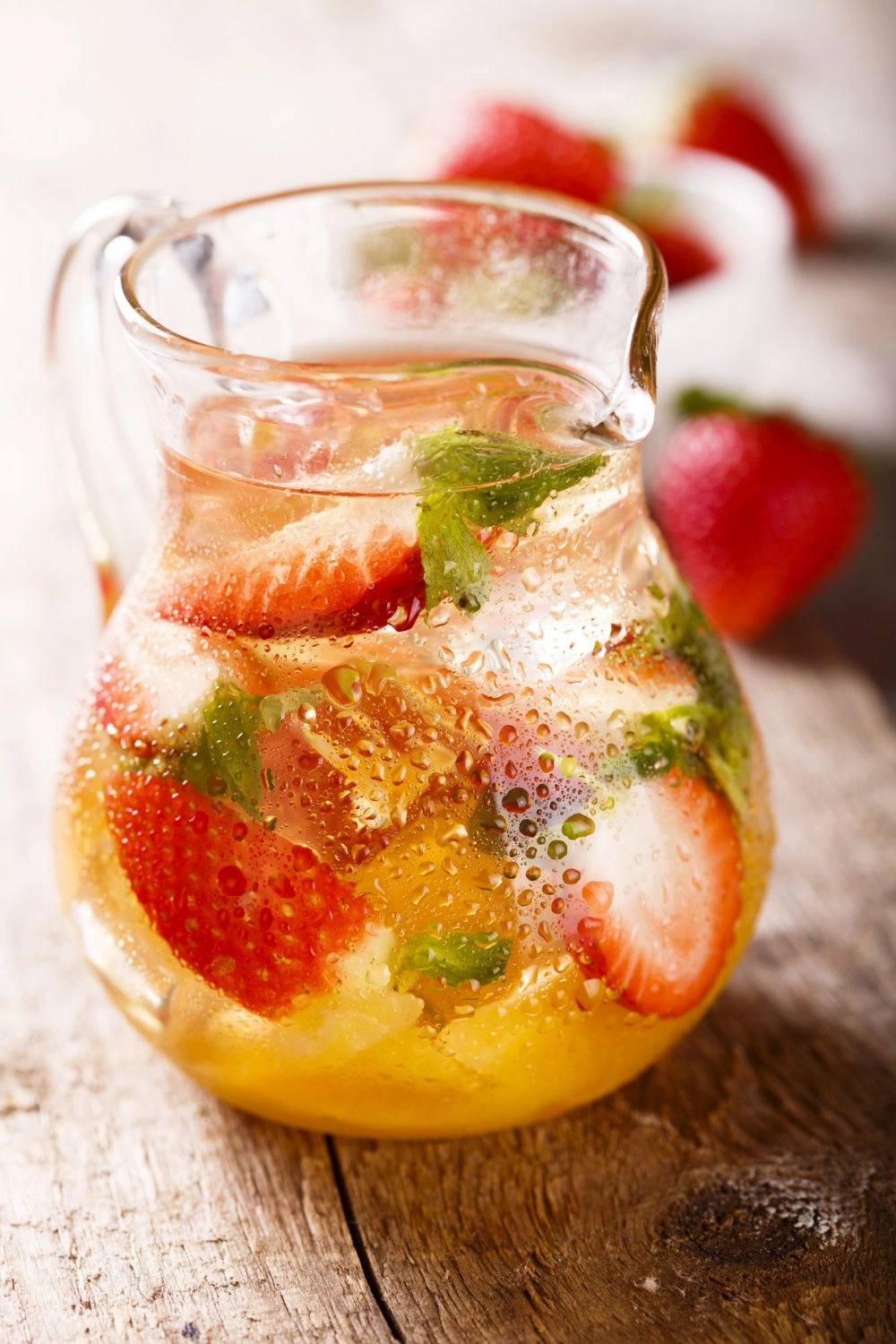
Put the fruit in a large bowl or jug. Add the strained infusion, the rest of the white wine, the Muscat if using, the orange liqueur or brandy, and the remaining sugar to taste. Stir gently so you do not crush the fruit. - 4. Maceration: the real secret!
Cover with cling film and leave in the fridge for at least 4 hours. Ideally overnight. This resting time is what turns “wine with fruit in it” into a properly blended drink. - 5. Serving
Just before serving, add the well-chilled lemonade or soda. Ice in the glasses, pieces of fruit in each one. Ready.
On video:
FAQ
Why does the infusion really change the result?
When you gently heat spices in wine, the alcohol acts as a solvent. It gradually draws out the aromatic compounds, cinnamaldehyde from the cinnamon and vanillin from the pod, and blends them into the liquid. Without this step, the cinnamon stays on the surface: noticeable on the nose, a bit harsh on the palate. After maceration, the profile changes. The spice blends in. The acidity of the citrus, the fruit and the spices merge instead of simply sitting side by side.
The most serious Spanish recipes recommend 2 to 8 hours of resting, sometimes until the next day. It is not about convenience. It is what builds a rounded aromatic structure instead of a flat mix.
One important detail: never boil the wine when infusing. You would lose some of the aromas and alcohol, and with them exactly what you are trying to develop.
Why avoid white sugar?
Granulated white sugar causes two real problems in a cold sangria. First, it dissolves badly in cold alcohol.
The result: grains at the bottom, uneven sweetness and a tendency to add too much to compensate, at the expense of the wine’s fresh acidity.
Second, and this is the point Spanish producers often make: white sugar only sweetens. It adds nothing else. The alternatives do exactly the opposite.
Honey brings its own aromatic compounds, floral notes and sometimes herbal or resinous ones depending on the flower, which go very well with lemon and orange. Muscat or sweet wines add notes of caramel, dried fruit and grapes. Fruit juices (orange, peach, pineapple) replace some of the sugar while adding fresh fruit and natural acidity.
In practice: make a simple syrup (water and sugar heated together) if you want to stick with ordinary sugar, or use honey dissolved in a little juice. You control the sweetness better and enrich the aromas instead of flattening them.
2 expert tips to remember
1. Time. Leave your white sangria to macerate overnight in the fridge, with the cinnamon, vanilla if using and fruit, without adding the bubbles at this stage. This long rest, without the fizz that disrupts the extraction, is what builds a truly blended, complex aroma rather than flavours simply sitting side by side.
2. The sweetener. Replace much of the white sugar with a homemade syrup (water and sugar heated together), or better still, a little honey or a sweet wine such as Muscat. You get the same sweetness, with floral, honeyed notes as a bonus.
Where to drink a good white sangria in the Balearics?
🍷
Heading to Ibiza or Formentera and not sure where to find a good sangría blanca?
Ibiza: 3 places to try
Es Cantonet, Ibiza Town / Eivissa: a very local, traditional bar-restaurant used by regulars rather than tourists. The house sangria comes by the glass or the jug, in generous style. The closest you will get to a traditional recipe, the opposite of a formatted beach club. The real thing!
Bar Anita, Sant Carles de Peralta: a cult address in the north of the island. Very authentic and famous for decades for its homemade drinks: hierbas, sangria, local liqueurs. Away from the tourist rush, ask for a carefully made white sangria and you will probably be pleasantly surprised.
Esbirra Ibiza, Es Canar: a microbrewery and live music bar with a well-crafted cocktail list. Some customers describe its white sangria as a tropical version, more creative than classic. The right choice if you want a reinterpretation rather than the traditional recipe.
Formentera: 4 great places for a sangría blanca
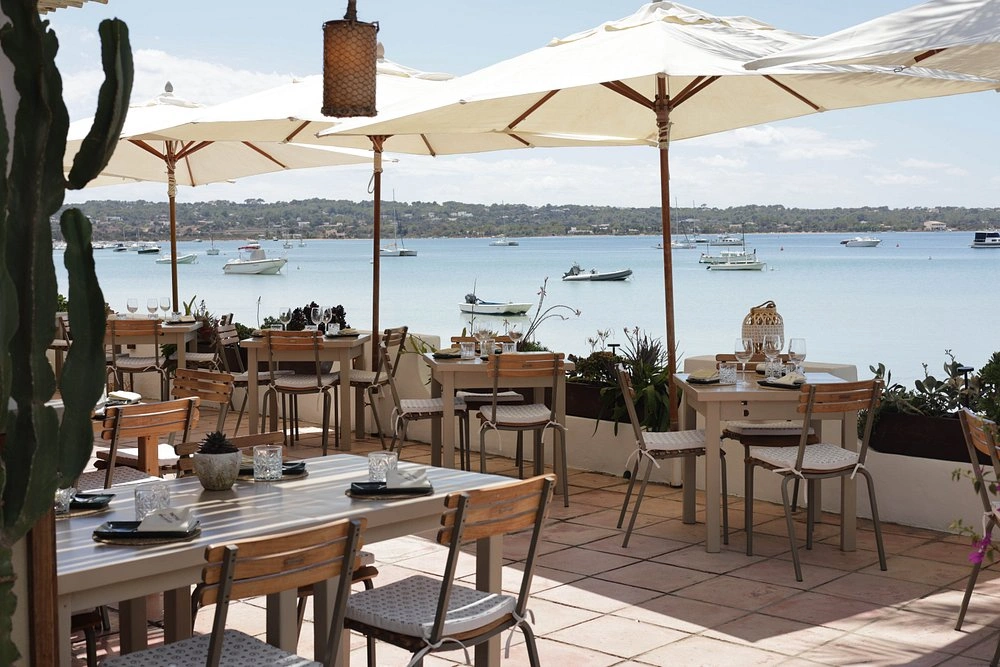
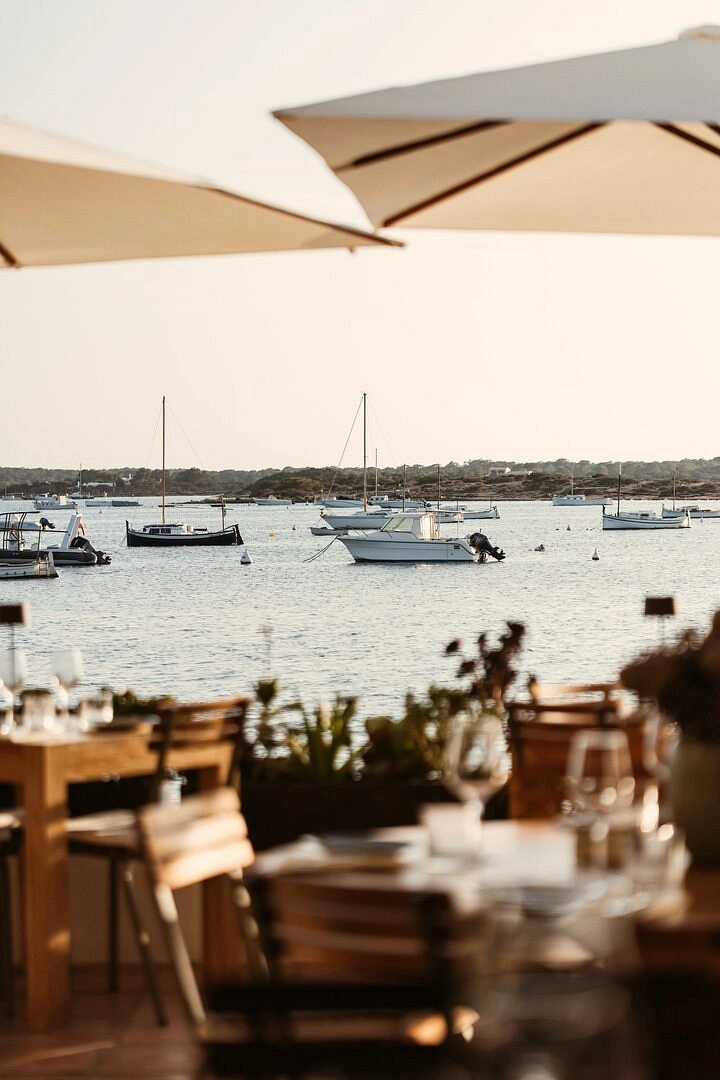
Cafe del Lago: my favourite place, a local institution in La Savina, Formentera, facing the lagoon! I go every time I am on the island!
Tiburon Beach Club, Ses Illetes / Migjorn: a beach club with a postcard view and a guaranteed sunset mood. Red sangria is the one most often on the menu, but the bar will not be surprised if you ask for a white one. The perfect spot to sip it while the light changes on the water.
Blue Bar, Platja de Migjorn: a legendary beach bar with a hippie, slightly timeless feel. Sangrias are a menu classic. Ask for a white wine version: it is exactly the kind of place where the request will be welcome and the result worthy of the setting.
Bocaboca Chiringuito, Cala Saona: a sunset-focused beach bar with a cocktail list that gives pride of place to sangria. The setting alone is worth the trip. Asking for a white sangria here will surprise no one, it is a common order among the cove’s regulars, and I recommend it without hesitation!
Want to taste it all on the spot? We help you plan your trip in our Ibiza and Formentera travel guide.
Want to keep the food journey going? Discover the 10 essential products of Formentera’s cuisine.


