
Formentera is a fairly small island, 83 km² (a little bigger than Guernsey), with about twenty beaches and no big resort hotels. What changes everything when you travel with children is that the island does not look like a classic family destination.
This article is dedicated to families, to help you find the right beaches for your stay. After a dozen stays on the island, here are all my tips! My favourites if I had to choose: Platja des Copinar & Cala Saona
A toddler does not have the same needs as an 8-year-old who wants to swim alone. As for teenagers, they have their own criteria: snorkelling, pedal boats, room to move. These types of beach can also directly shape your choice of hotel. Here we go:
Formentera beaches for babies and toddlers (0-3)
With the youngest, two criteria are non-negotiable: a sandy, pebble-free bottom and a very gradual slope over at least 20 metres. Formentera’s beaches often tick both boxes, but not all of them. For the rest of your family stay (accommodation, getting around), everything is in our Formentera guide.
Es Pujols
It is the best-equipped beach on the island. Sunbeds, restaurants on the sand, showers, equipment hire: everything is reachable from the Es Pujols seafront. The water stays shallow for a good distance and the sand is fine. It is not the quietest, but it is the most practical when you have a changing bag, a parasol and a child who naps.
The Es Pujols resort also has shops and a pharmacy less than 5 minutes’ walk away. Handy for the unexpected.


Ses Platgetes
Just east of Es Pujols, Ses Platgetes (Es Caló beach) is often ignored by general guides, and that is exactly why it works so well with babies. Fewer people, very calm water, a predictable sandy bottom. You can cycle there from Es Pujols in under ten minutes.


Estany des Peix beach (La Savina)
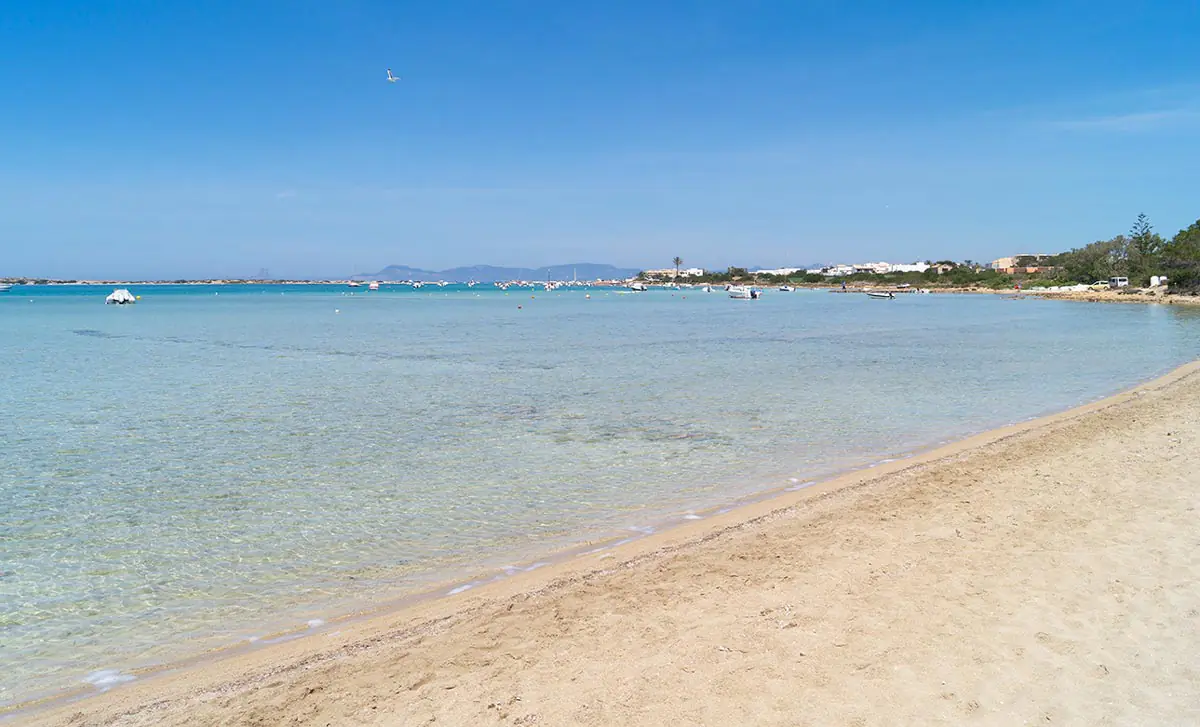
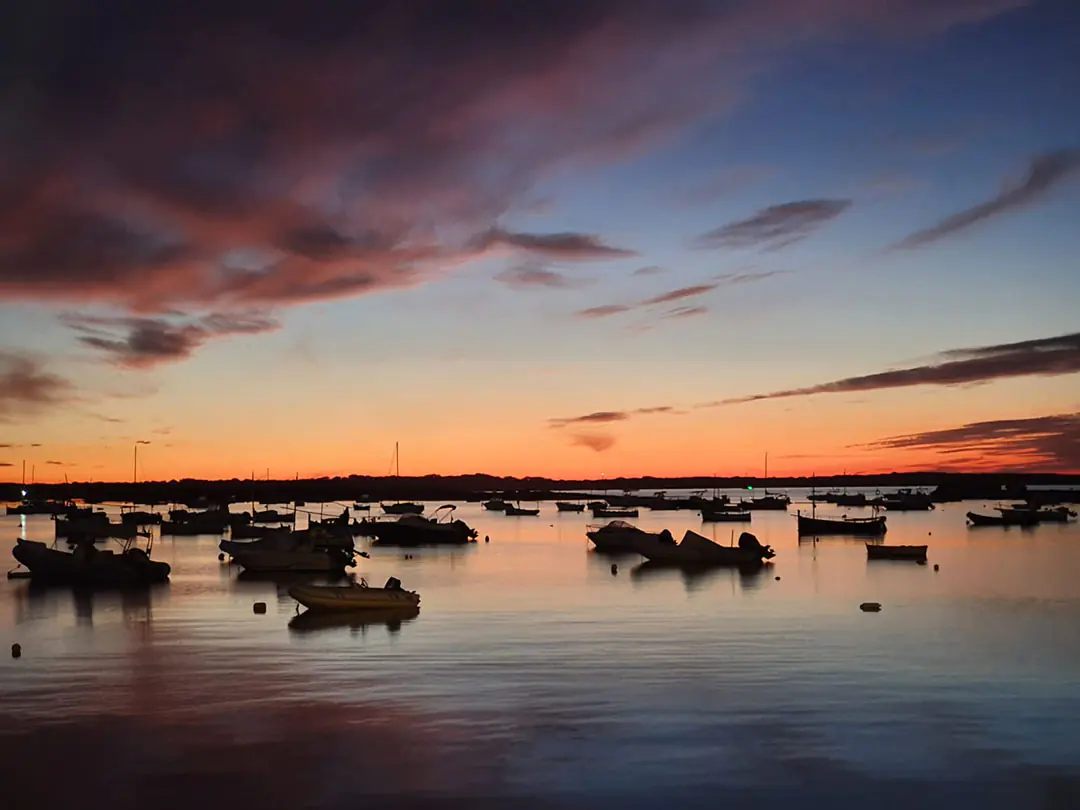
A stone’s throw from La Savina port, on the lagoon side, this small beach on the Estany des Peix is one of the calmest on the island. The lagoon water is flat, shallow and warmer than the sea early in the season, heating up quickly from June. No waves, no boats, a sandy bottom.
It is an almost exclusively local spot, with no sunbeds or bar, but ideal when you want to lay down a towel and let a toddler paddle, for example just before catching the ferry, which is five minutes’ walk away (on the Café del Lago side).
Formentera beaches for children aged 4 to 10
From 4-5, children really start to enjoy swimming. They need water deep enough to have fun (always with an adult!) but not too deep, and above all clear enough for them to see the bottom. Formentera excels at this.
Cala Saona
A small cove on the west coast, Cala Saona is framed by red sandstone cliffs. The water is calm and a very clear blue-green, and it deepens gradually. It is a perfect beach for children who are starting to enjoy the water and feel “confident”.
In practice: a few sunbeds for hire, a bar-restaurant overlooking the cove and an accessible car park (try to arrive before 9.30am in season).


Platja des Copinar
East of Migjorn, this beach stands out for its particularly gentle slope into the water. Small reefs divide it into several sections and create naturally sheltered areas, ideal for children swimming out for the first time. It is reachable directly by car, with parking nearby. Less known than Ses Illetes or Cala Saona, it mainly draws local families and holidaymakers who come back every year.
The only thing further east than Es Copinar is the tiny, well-known beach of Caló des Mort (totally unsuitable for children).


Platja de Llevant
On the Es Trucadors peninsula, on the east side (facing Ibiza), Platja de Llevant offers a different setting from Ses Illetes opposite. The water is often even flatter, with a mirror-like surface in the morning.
Few services, but reachable by bike from La Savina or Es Pujols. Bring a picnic, water and a parasol (hire possible on site, ask your hotel)


Read also:
The best family hotels in Formentera
Formentera with teenagers: which beaches to choose?
For teenagers who need activity and do not like staying too long on the beach or in the water, Formentera has a few options that combine stunning scenery with the chance to move.
Ses Illetes
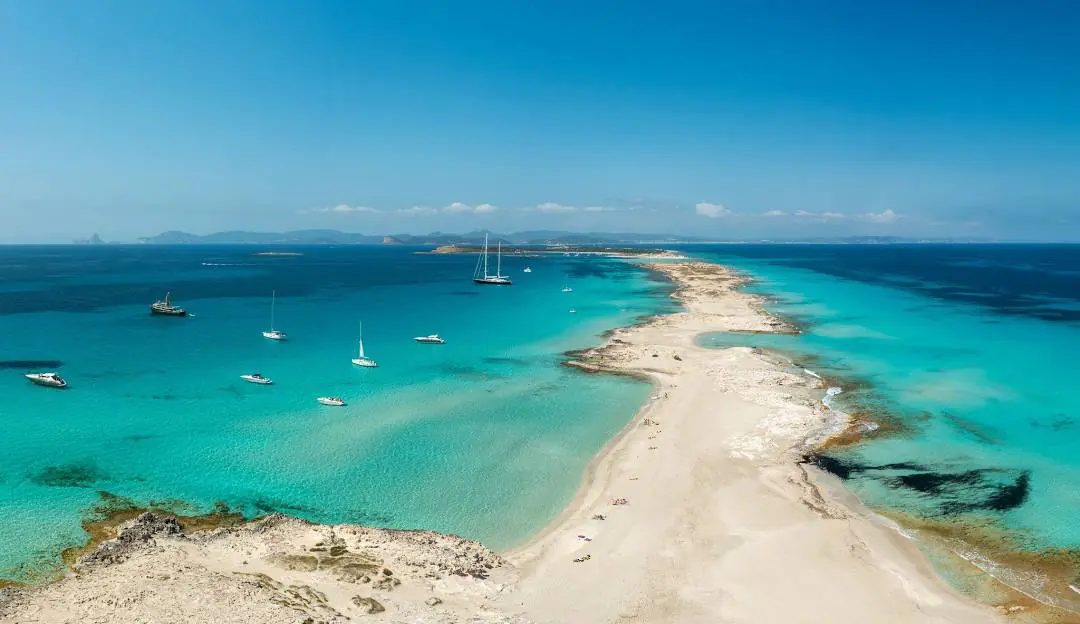
It is the most photographed beach on the island, and the reputation is deserved. White sand, turquoise water and a seabed rich in shallow posidonia, perfect for snorkelling. Stingrays regularly glide through the seagrass.
Two points not to ignore: no natural shade (hat, UV T-shirt and sun cream are essential), and the access road for cars is closed in high season. Most people get there by bike along the track that follows the coast.

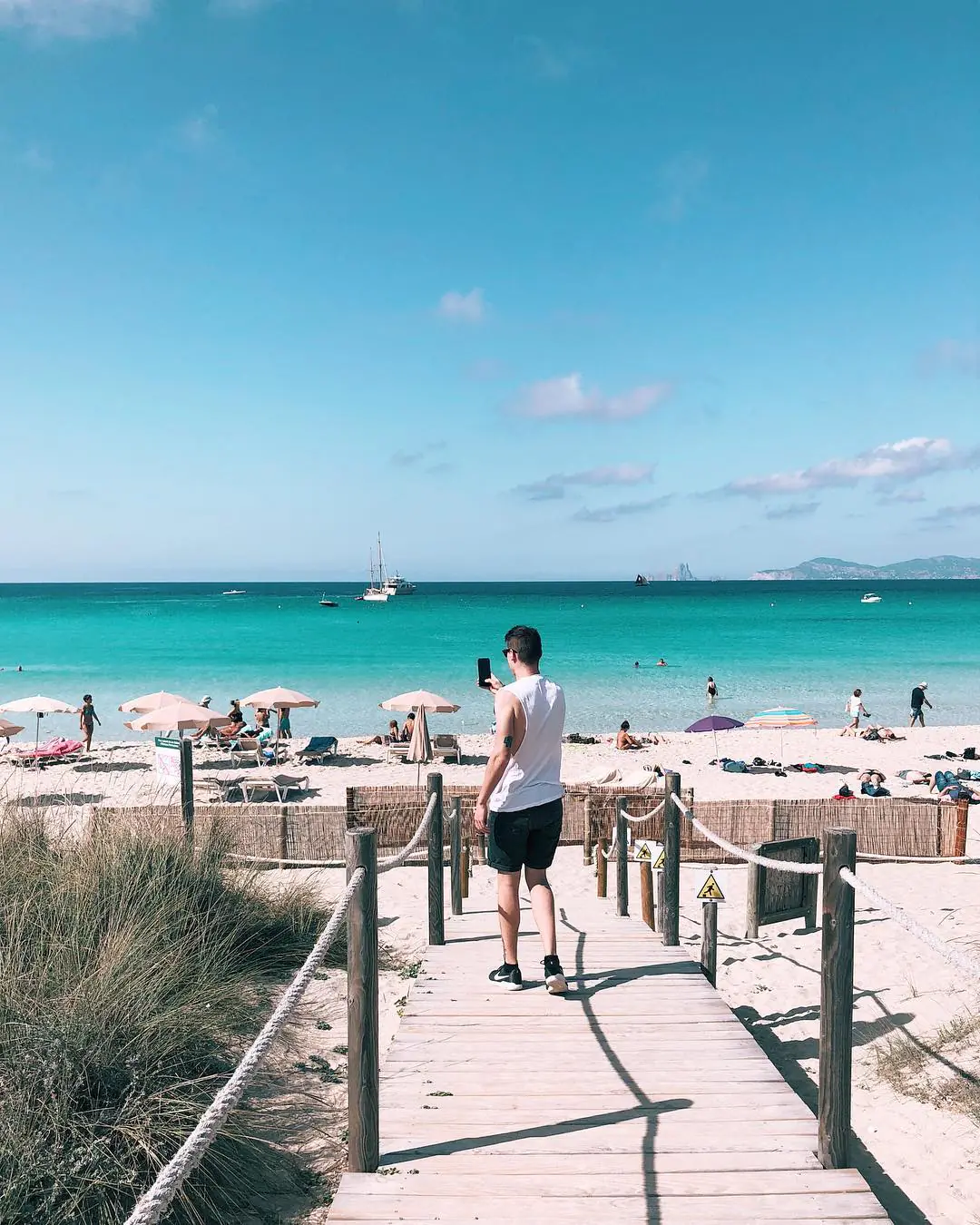
Es Cavall d’en Borràs
On the edge of the Estany Pudent lagoon, this beach is less known and so less busy. Families who kite or windsurf like it, and schools offer taster sessions there in summer. The calm, shallow water on the lagoon side also suits beginner paddleboarders.


Why Formentera suits families
The water, first of all. The posidonia meadows lining Formentera’s coast break the waves before they reach the shore.
The result: the vast majority of beaches are flat, without the pounding surf you get on the Atlantic, with a gradual entry into the sea.
The island is also flat (unless you want to go up to La Mola). Families with a pushchair or cargo bike can get around easily on the cycle paths along the Migjorn beaches and the Es Trucadors peninsula. No need for a car to go from one beach to another in these areas, just strong calves 😉
In practice, the only things to plan for are the lack of natural shade on some beaches (Ses Illetes in particular, without a single tree), where it gets VERY hot, and car parks that fill up from 10am in July and August. Both depend directly on the beach you choose.
What to know before you arrive
Parking
In July and August, the car parks at the best-known beaches (Ses Illetes, Cala Saona) are full between 9.30 and 10am. Either arrive early or come by bike. Most bike rental shops are in La Savina, Es Pujols and Sant Francesc.
Shade
Formentera’s beaches lack trees. A few exceptions: the central part of Migjorn has pines nearby. Elsewhere, bring your own parasol or hire one on site (allow €10 to €15 a day in high season).
Bottled water
Tap water is drinkable but desalinated and not pleasant to drink. Fill your water bottles at your accommodation to avoid buying plastic; the island has been actively encouraging this since 2025.
Boat shuttles
Between La Savina and Ses Illetes, water taxis run all day (about €5 one way). Handy with children to avoid walking or cycling the track.
One last point before you book
One approach works well for families: choose a base and explore by bike.
- Es Pujols for young children (services, pharmacy, beaches within a 3 km radius)
- La Savina for more mobile families who want quick access to both Ses Illetes and Es Cavall d’en Borràs.
If you are coming from Ibiza by ferry, book your seats in advance in July and August. Ibiza-Formentera crossings with bikes or pushchairs sell out several days ahead on morning sailings.
June and September give you the same beaches with 30 to 40% fewer people and car parks that are still manageable.
Save this article for later on Pinterest


